Tanah Leluhur yang Hilang atas Nama Pembangunan
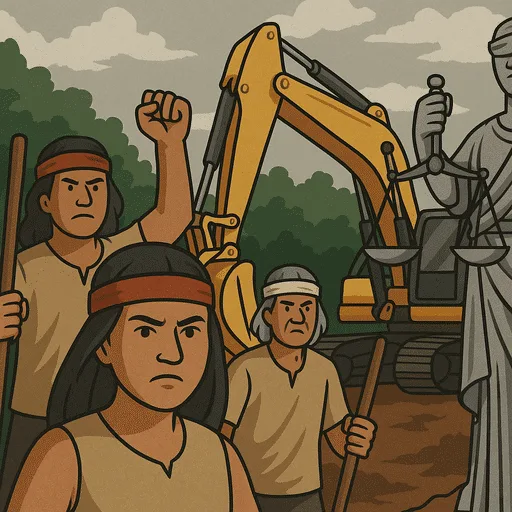
Literasi Hukum - Di berbagai wilayah Indonesia Timur, masyarakat adat menghadapi kenyataan pahit: tanah yang diwariskan secara turun-temurun selama ratusan tahun kini dirampas demi Proyek Strategis Nasional (PSN). Hutan, ladang, dan sungai yang selama ini menjadi sumber kehidupan berubah menjadi kawasan industri, perkebunan, atau pertambangan. Proses ini kerap berlangsung tanpa persetujuan yang sah dari masyarakat adat, bahkan dengan intimidasi aparat negara.
Ironisnya, pemerintah berdalih bahwa PSN dilakukan demi kepentingan nasional, seolah pengorbanan masyarakat adat adalah harga yang wajar demi pembangunan. Padahal, bagi masyarakat adat, tanah bukan sekadar aset ekonomi. Tanah adalah identitas, sejarah, dan keberlangsungan hidup. Ketika tanah itu hilang, yang hilang bukan hanya sumber penghidupan, tetapi juga warisan budaya yang tak ternilai.


Kerangka Hukum Perlindungan Hak Masyarakat Adat
Konstitusi Indonesia dengan tegas mengakui keberadaan masyarakat adat. Pasal 18B ayat (2) UUD 1945 menyatakan bahwa “Negara mengakui dan menghormati kesatuan-kesatuan masyarakat hukum adat beserta hak-hak tradisionalnya sepanjang masih hidup dan sesuai dengan perkembangan masyarakat dan prinsip Negara Kesatuan Republik Indonesia.” Selain itu, Pasal 28I ayat (3) UUD 1945menyebutkan bahwa “Identitas budaya dan hak masyarakat tradisional dihormati selaras dengan perkembangan zaman dan peradaban.”
Pengakuan ini diperkuat oleh Undang-Undang Nomor 5 Tahun 1960 tentang Peraturan Dasar Pokok-Pokok Agraria (UUPA). Pasal 3 UUPA menyatakan bahwa “Dengan mengingat ketentuan dalam Pasal 1 dan 2, pelaksanaan hak ulayat dan hak-hak serupa itu dari masyarakat hukum adat, sepanjang menurut kenyataannya masih ada, harus sedemikian rupa sehingga sesuai dengan kepentingan nasional dan negara yang berdasarkan atas persatuan bangsa.”
Putusan Mahkamah Konstitusi Nomor 35/PUU-X/2012 menegaskan bahwa hutan adat bukan lagi hutan negara, melainkan hak masyarakat adat. Undang-Undang Nomor 39 Tahun 1999 tentang Hak Asasi Manusia, khususnya Pasal 6 ayat (1), menyatakan bahwa “Dalam rangka penegakan hak asasi manusia, perbedaan dan kebutuhan masyarakat hukum adat harus diperhatikan dan dilindungi oleh hukum, masyarakat, dan pemerintah.”
Dengan dasar hukum ini, jelas bahwa negara memiliki kewajiban konstitusional untuk melindungi hak masyarakat adat, termasuk hak ulayat mereka. Namun, praktik PSN justru menunjukkan lemahnya implementasi hukum dan kecenderungan negara berpihak pada kepentingan modal.


















Komentar
0Bagikan perspektif Anda secara sopan, relevan, dan fokus pada isi artikel. Komentar tampil setelah moderasi.
Ikut berdiskusi