

Legal Literacy - Learn about the legal structure of the United States, constitutional rights and the role of the US Supreme Court. Find out how laws in the US evolve and affect society.
Overview of the US Constitution
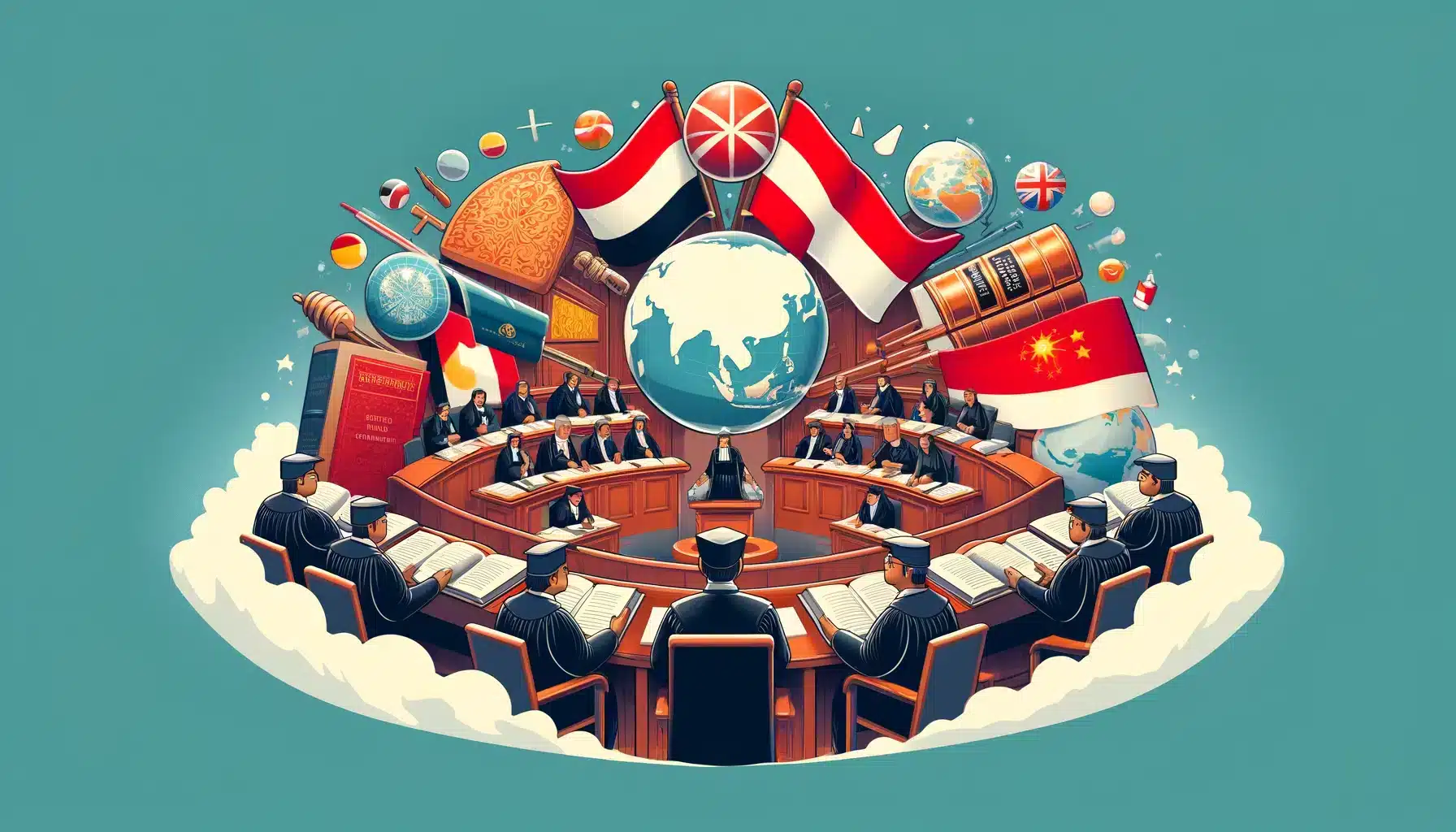
The United States (US) legal system is one of the most influential in the world. From constitutional rights to landmark US Supreme Court rulings, learning about US law can provide deep insight into how laws are made, interpreted and enforced. Whether you're a budding law student, a curious international observer or simply curious about legal cases in the US, understanding the basic structure of the American legal system helps you recognize the role of the constitution, key institutions and the dynamics of law enforcement.


This article provides an overview of the framework, key principles, and key institutions in the United States legal system. We will also highlight how constitutional rights and court interpretations shape the legal landscape in the US.
Overview of the US Constitution
The US Constitution is the fundamental document on which the American legal system is based. Ratified in 1788, it sets out the structure of government, the separation of powers, and a number of fundamental rights guaranteed to citizens. Some key points:
- Separation of Powers
- The federal government is divided into three branches: Legislative (Congress), Executive (President), and Judicial (Supreme Court).
- This division is intended so that no single branch can monopolize power.
- Checks and Balances
- Each branch has certain powers to balance (check) the powers of the other branches.
- For example, Congress can make laws, but the President can veto them. On the other hand, the Supreme Court can overturn laws that are unconstitutional.
- Individual Rights
- The Bill of Rights (the first 10 amendments) guarantees basic freedoms such as freedom of speech, religion, and the right to due process of law.
- Other amendments, such as the 14th Amendment, extended civil rights protections to all individuals.
As the text of the constitution is quite concise and often open to interpretation, much of the case law in the US centers on how the courts interpret the provisions of the constitution. The US Supreme Court also acts as the highest authority in interpreting the constitution.


















Komentar
0Bagikan perspektif Anda secara sopan, relevan, dan fokus pada isi artikel. Komentar tampil setelah moderasi.
Ikut berdiskusi
Tulis tanggapan yang jelas, sopan, dan tetap pada topik pembahasan.
Belum ada komentar. Jadilah yang pertama berdiskusi.
Komentar akan muncul setelah dimoderasi.