

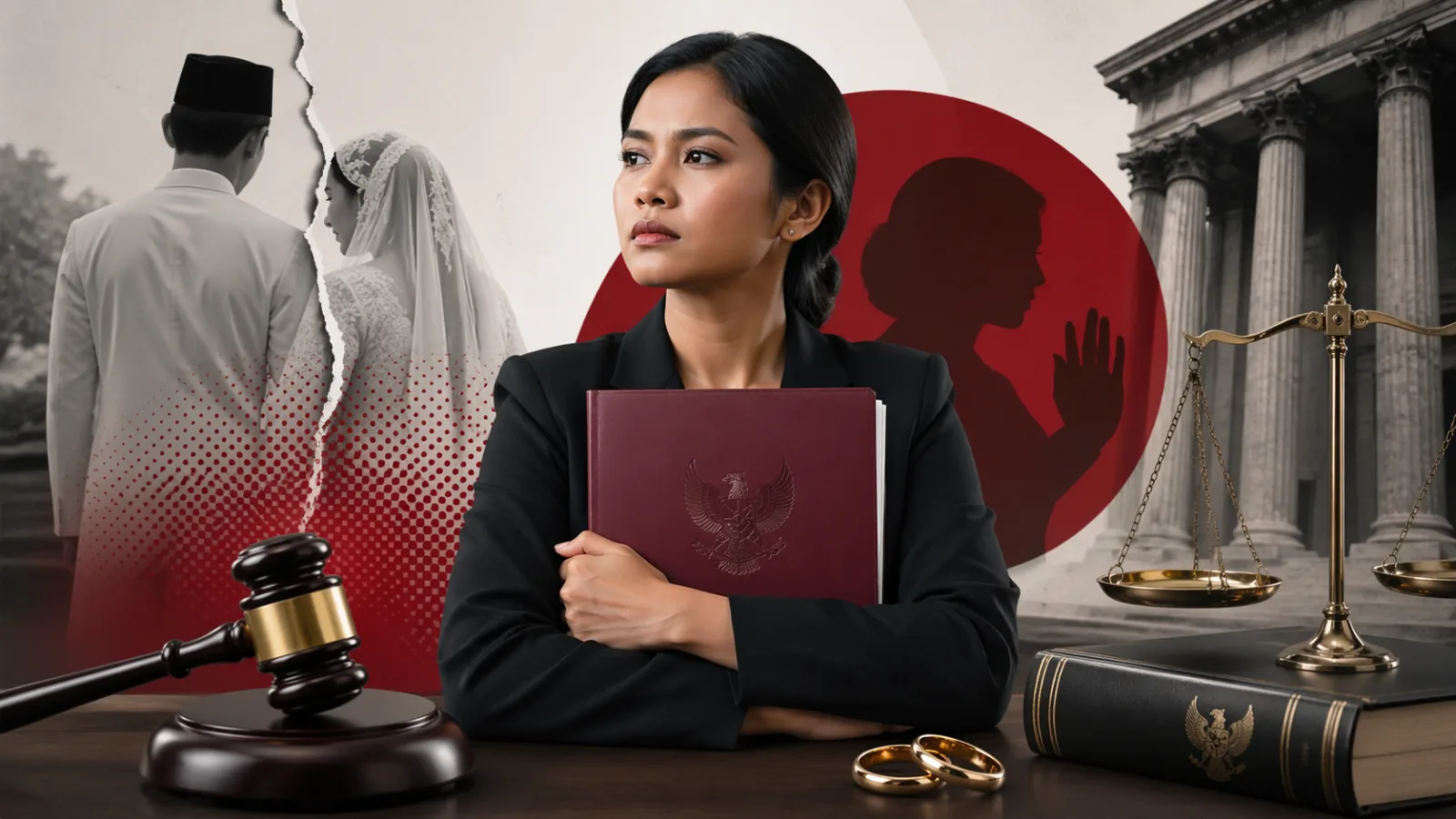
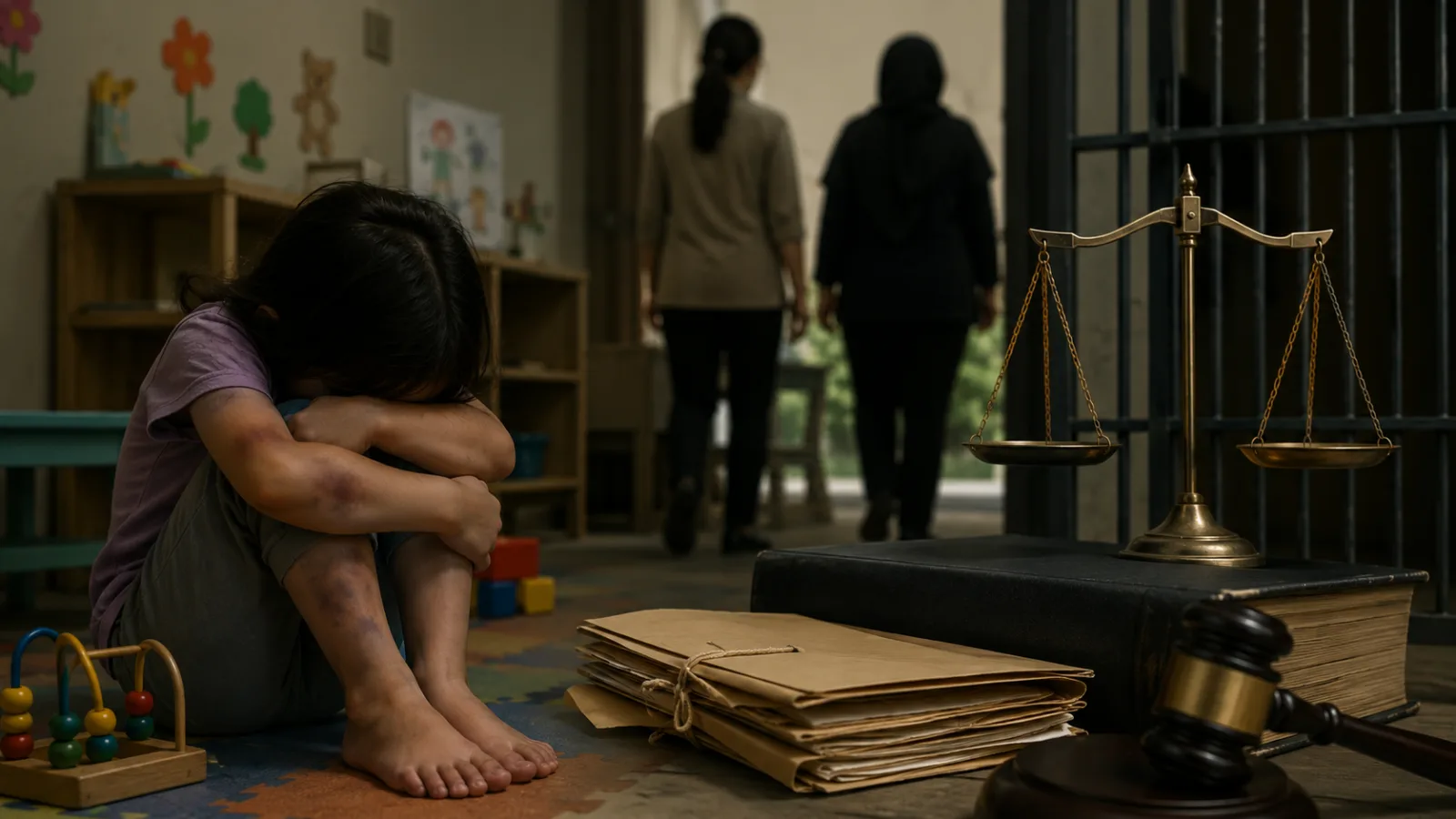
Legal Literacy—This article discusses Joint Physical Custody as it relates to child custody after parental divorce. Explaining the regulations and basic principles of custody under the Marriage and Child Protection Laws provides insight into the advantages and disadvantages of joint custody. Through an approach that focuses on the child's best interests, this discussion highlights the challenges and solutions in maintaining a balanced relationship between the child and both parents post-divorce.
Child Custody Rights
Child custody is a term used to describe the obligation of parents to provide services, protect, educate, and care for children until adulthood. The determination of child custody rights becomes important when parents divorce. In general, if the child is under 12 when the parents divorce, custody of the child tends to go to the mother. However, determining child custody also considers the child's best interests and can be decided by the court. Both the father and mother still must be responsible for the child's growth and development, even if they are divorced.


In principle, the right to care for children after the divorce of both parents is regulated in Article 41 of the Marriage Law, which states that the consequences of the breakdown of marriage due to divorce are:
- Either the mother or father remains obliged to maintain and educate their children, based solely on the interests of the child; when there is a gap in the control of the child, the Court gives its decision;
- The father shall be responsible for all costs of Courtintenance and education necessary for the child; if in reality, the father is unable to fulfill this obligation, the Court may determine that the mother shall share in the costs;
- The Court Courtequire the former husband to provide maintenance and detercourtan obligation for the former wife.
Child custody rights are human rights that must be guaranteed, protected, and fulfilled by parents, families, communities, governments, and the state. In the context of child custody rights, it is important to understand that human rights include personal rights, economic rights, political rights, social and cultural rights, the right to equal treatment in law and government, and the right to justice and protection.
According to Law No. 23 of 2002 on Child Protection, a child is someone who is not yet 18 years old, including children who are still in the womb. Child protection includes all activities to ensure and protect children and their rights so that they can live, grow, develop, and participate optimally by human dignity and receive protection from violence and discrimination.













Komentar
0Bagikan perspektif Anda secara sopan, relevan, dan fokus pada isi artikel. Komentar tampil setelah moderasi.
Ikut berdiskusi
Tulis tanggapan yang jelas, sopan, dan tetap pada topik pembahasan.
Belum ada komentar. Jadilah yang pertama berdiskusi.
Komentar akan muncul setelah dimoderasi.