

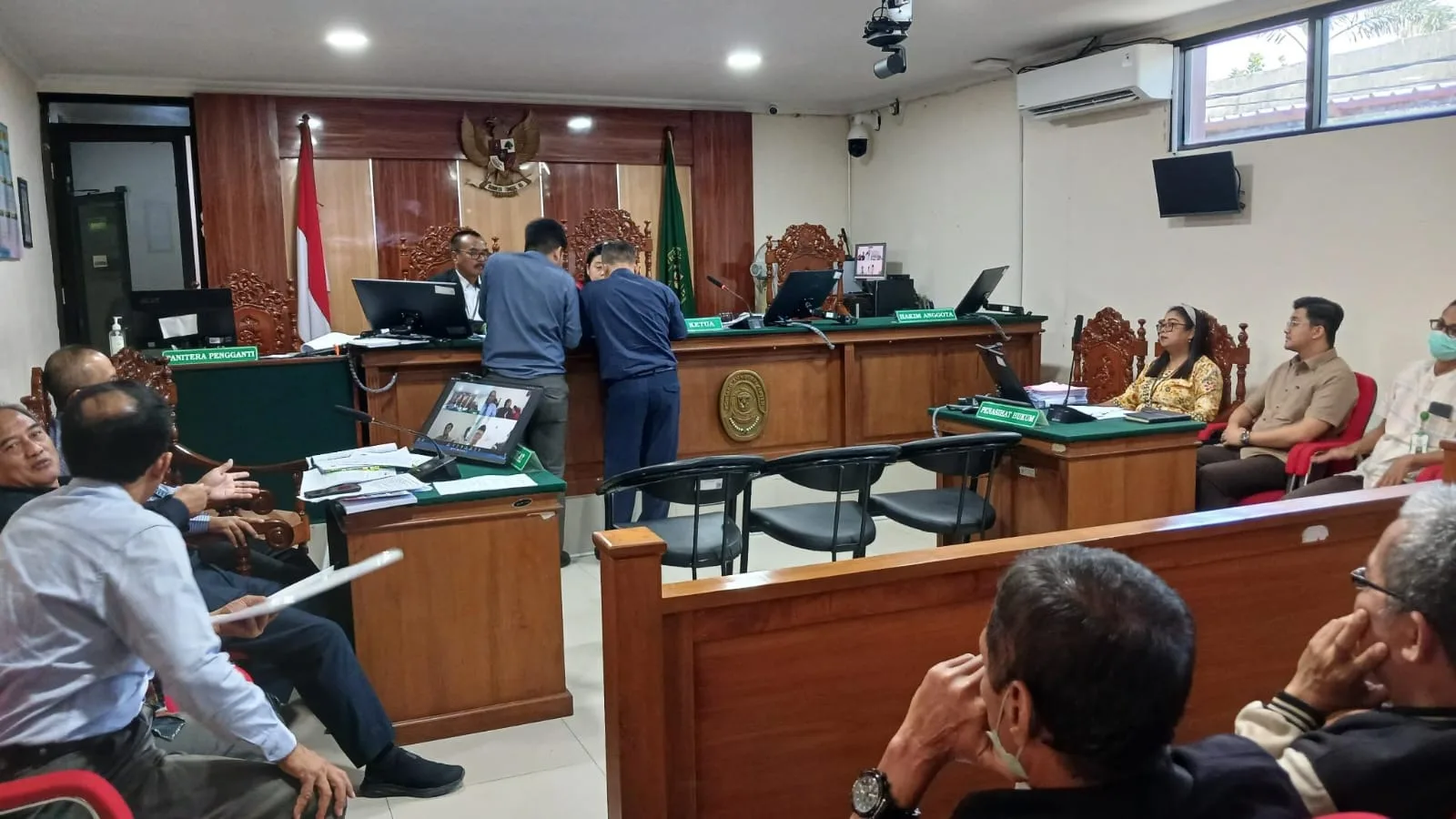
Legal Literacy - Indonesia, as a state of law, applies fair and firm laws to everyone within its territory, including foreign nationals (WNA). When someone is in Indonesia, they must comply with the laws and regulations in force in this country, regardless of their nationality. This article will discuss in depth how foreign nationals can be prosecuted in Indonesia, including the principles of jurisdiction, legal process, special cases, and the protection of rights granted to foreign nationals during the judicial process.
Principles of Jurisdiction in Law Enforcement
1. Territorial Jurisdiction
Indonesia applies the principle of territorial jurisdiction, which means that Indonesian law applies to all criminal acts that occur within its territory. This principle is the main basis in criminal law enforcement against foreign nationals. If a foreign national commits a criminal act in Indonesia, they will be subject to Indonesian law, just like Indonesian citizens. The legal basis is found in Article 2 and Article 3 of the Criminal Code (KUHP):


- Article 2 of the Criminal Code: States that Indonesian criminal law applies to everyone who commits a criminal act in Indonesian territory.
- Article 3 of the Criminal Code: States that Indonesian criminal law applies to every criminal act committed on board a ship or aircraft flying the Indonesian flag.






















Comments
0Share your perspective politely, stay relevant, and focus on the article. Comments appear after moderation.
Join the discussion
Write a clear, polite response that stays on topic.
No comments yet. Be the first to discuss.
Comments will appear after moderation.