

2. Extraterritorial Jurisdiction
In addition to territorial jurisdiction, Indonesia also has extraterritorial jurisdiction in certain cases. This means that Indonesia can enforce the law against criminal acts committed by or against Indonesian citizens abroad. This jurisdiction is usually applied based on international agreements or generally recognized principles of international law. The legal basis is found in Article 4 and Article 5 of the Criminal Code:
- Article 4 of the Criminal Code: States that Indonesian criminal law applies to certain criminal acts committed outside Indonesian territory, such as criminal acts against state security and criminal acts of counterfeiting money.
- Article 5 of the Criminal Code: States that Indonesian criminal law applies to certain criminal acts committed by Indonesian citizens abroad, such as criminal acts of corruption and human trafficking.

Legal Process against Foreign Nationals
1. Arrest and Detention
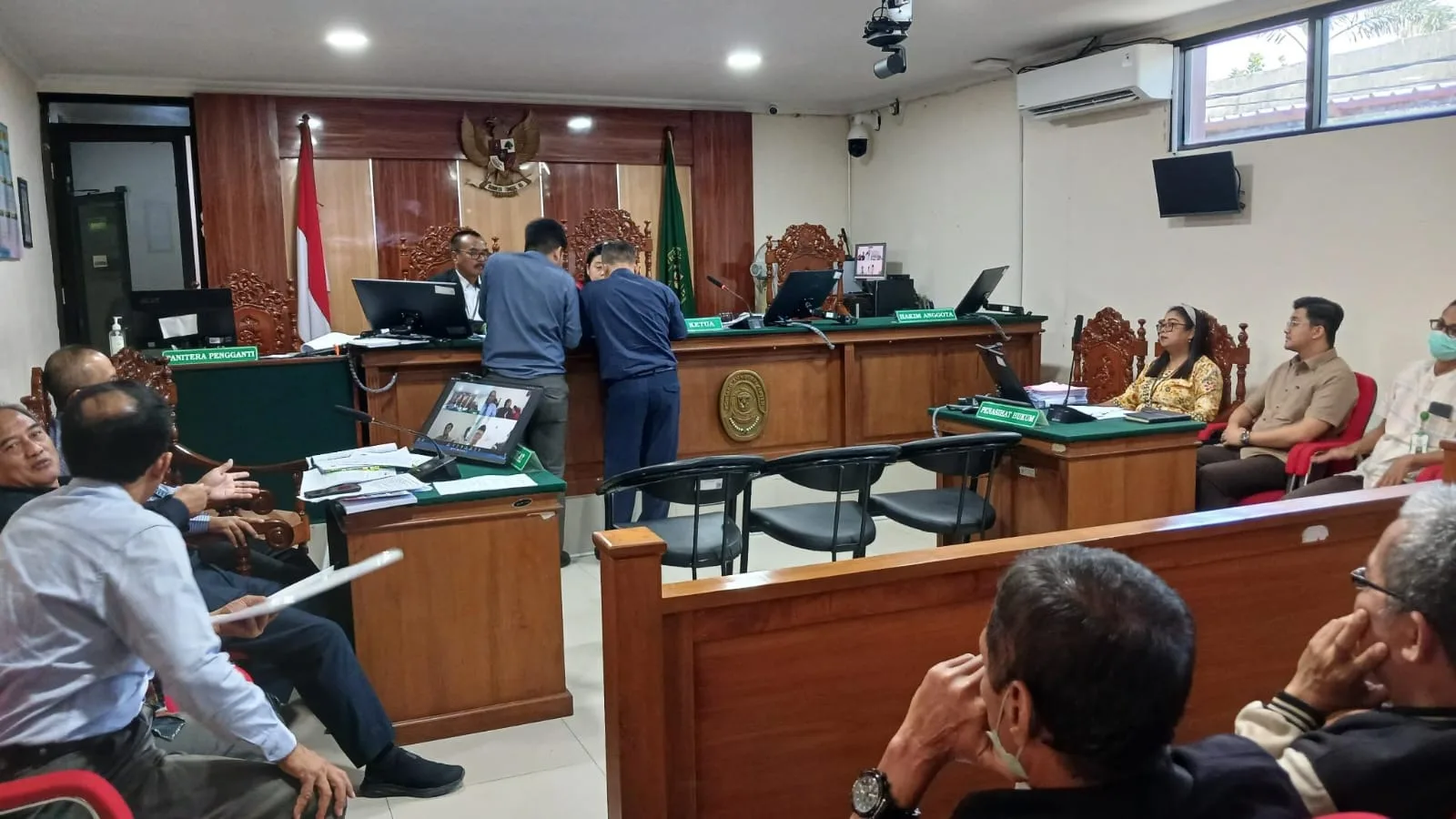
If a foreign national is suspected of committing a criminal act in Indonesia, they can be arrested and detained by the police. The arrest and detention process must follow applicable legal procedures to ensure that the rights of the suspect are protected. The police are obliged to provide information to the embassy or consulate of the foreign national's country of origin who was arrested. This process is regulated in the Criminal Procedure Code (KUHAP):


- Article 18 of the Criminal Procedure Code: States that an arrest can only be made based on a written order from an authorized official and must be accompanied by a clear reason.
- Article 20 of the Criminal Procedure Code: States that within 1x24 hours after the arrest, the police are obliged to notify the arrest to the suspect's family or people living in the same house as the suspect.





















Comments
0Share your perspective politely, stay relevant, and focus on the article. Comments appear after moderation.
Join the discussion
Write a clear, polite response that stays on topic.
No comments yet. Be the first to discuss.
Comments will appear after moderation.