
Literasi Hukum - Artikel ini membahas lembaga kerjasama bipartit menjadi entitas esensial dalam sengketa hubungan industrial. Yuk simak pembahasannya
Sengketa Hubungan Industrial
Sengketa yang terjadi didalam hubungan industrial melibatkan antara pihak Pemberi kerja yaitu perusahaan dan juga penerima kerja yaitu karyawan atau pekerja. Sengketa atau perselisihan yang terjadi diantara perusahaan dan pekerja seringkali terjadi karena terdapatnya perbedaan kepentingan, perusahaan yang memiliki keinginan utuk mendapatkan keuntungan yang maksimal namun di sisi lain pekerja yang ingin mendapatkan upah setinggi-tingginya dari pekerjaannya dan mendapatkan penghidupan yang layak menunjukkan terdapatnya perbedaan kepentingan tersebut.[1]


Undang-Undang Nomor 2 Tahun 2004 tentang Penyelesaian Perselisihan Hubungan Industrial (selanjutnya disebut sebagai Undang-Undang Nomor 2 Tahun 2004) juga telah menyebutkan bahwa sengketa atau perselisihan dalam lingkup hubungan industrial meliputi perselisihan hak, perselisihan kepentingan, perselisihan pemutusan hubungan kerja, dan perselisihan antar serikat pekerja/serikat buruh hanya dalam satu perusahaan.
Undang-Undang Nomor 13 Tahun 2003 tentang Ketenagakerjaan jo. Undang-Undang Nomor 2 Tahun 2004 mengamanahkan agar perselisihan maupun sengketa yang terjadi antara para pekerja dan pengusaha didasarkan dengan prinsip musyawarah untuk mencapai mufakat.
Alur Penyelesaian Sengketa Hubungan Industrial
Mekanisme penyelesaian perselisihan yang terjadi di hubungan industrial wajib digunakan terlebih dahulu atau diawali dengan penyelesaian secara alternatif. Perselisihan hubungan industrial tidak dapat langsung dibawa ke pengadilan hubungan industrial, namun harus diselesaikan terlebih dahulu melalui penyelesaian alternatif yang ada didalam Undang-Undang Nomor 2 Tahun 2004.
Tahapan pertama dalam penyelesaian perselisihan tersebut ialah diselesaikan melalui perundingan bipartit, apabila memang tidak ditemukannya kesepakatan diantara para pihak yang berkonflik maka selanjutnya risalah upaya perundingan tersebut dicatatkan ke instansi yang bertanggung jawab di bidang ketenagakerjaan dalam hal ini ialah Dinas Ketenagakerjaan tingkat kabupaten/kota.
Pihak instansi yang bertanggung jawab dalam hal ini adalah Dinas Ketenagakerjaan tingkat kabupaten/kota wajib untuk menawarkan kepada para pihak untuk melakukan penyelesaian menggunakan metode konsiliasi atau melalui arbitrase.[2] Konsiliator merupakan masyarakat yang berpengalaman pada bidang hubungan kerja dan menguasai peraturan perundang-undangan ketenagakerjaan yang ditunjuk oleh Menteri, sedangkan untuk Arbitrase ialah cara penyelesaian sengketa perdata di luar pengadilan yang didasarkan nantinya pada perjanjian arbitrase yang dibuat secaar tertulis oleh pihak-pihak yang bersengketa.[3]
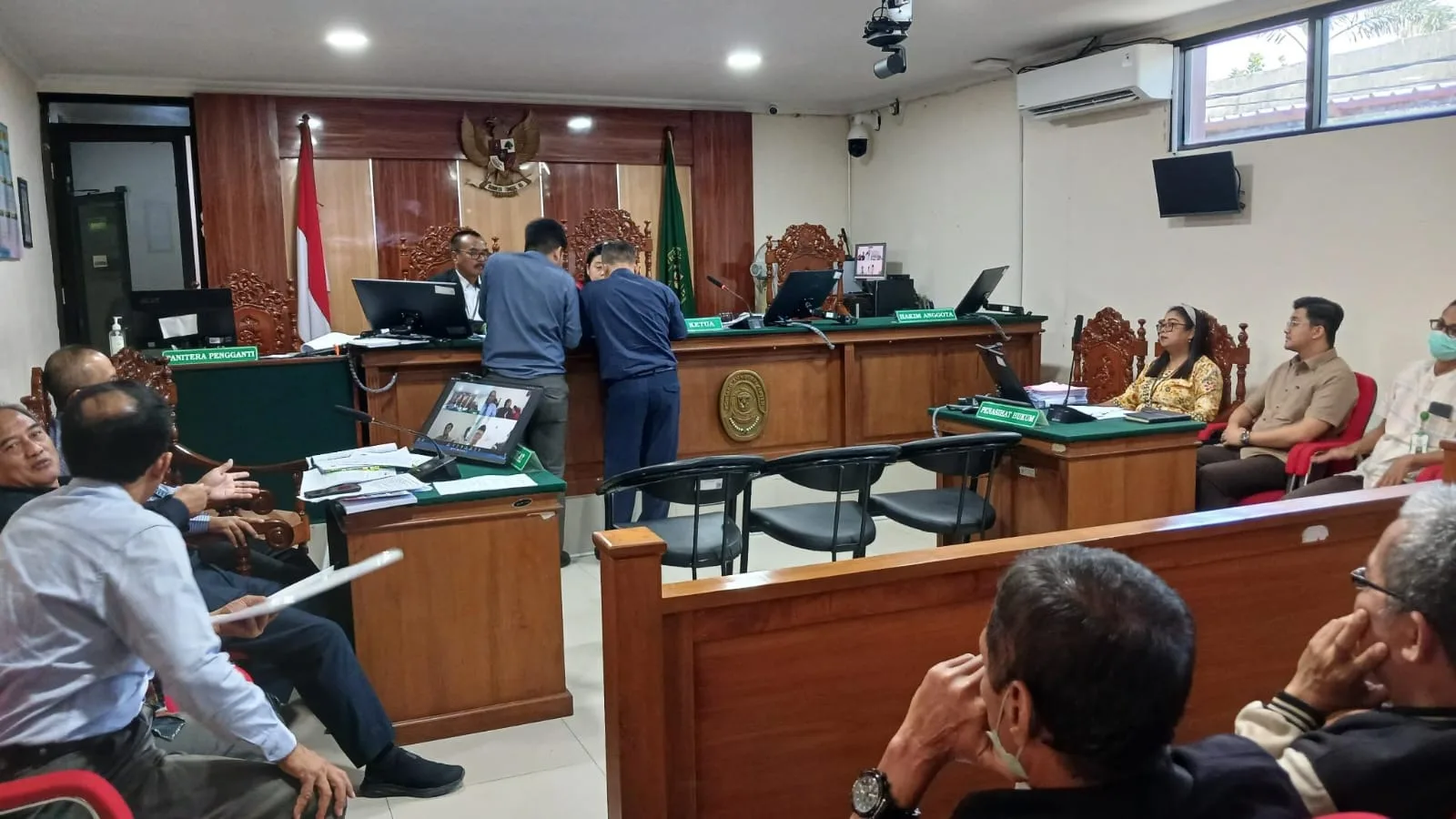
Tahapan terakhir ketika para pihak memang tidak menemukan kesepakatan tersebut maka pihak yang dirugikan dapat melakukan pengajuan gugatan perselisihan hubungan industrial, yang diajikan ke pengadilan hubungan industrial pada pengadilan negeri yang daerah hukumnya meliputi tempat pekerja/buruh bekerja. Dalam pengajuan gugatan tersebut wajib dilampirkan risalah penyelesaian melalui mediasi atau konsiliasi.[4]








Komentar
0Bagikan perspektif Anda secara sopan, relevan, dan fokus pada isi artikel. Komentar tampil setelah moderasi.
Ikut berdiskusi