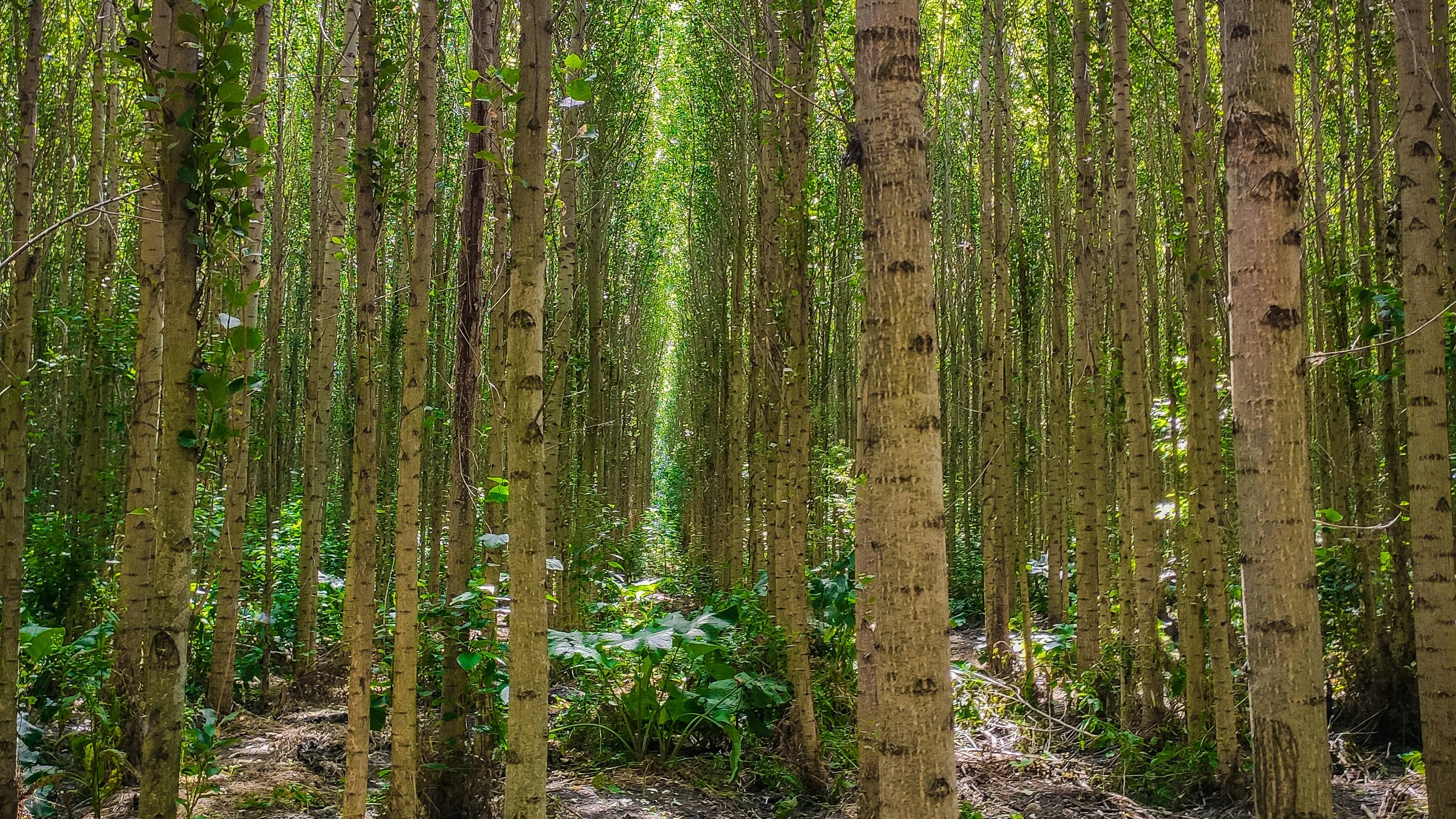
Legal Literacy - Biodiversity conservation is one of the greatest challenges facing the world today. In Indonesia, rich biodiversity, including flora and fauna, is essential for ecosystem balance and the sustainability of natural resources. However, unsustainable resource exploitation practices, such as deforestation and land conversion to monoculture, have led to a significant decline in biodiversity. In this context, environmental law enforcement is crucial to protect and preserve biodiversity. One promising approach is the cultivation system of agroforestry, which integrates agriculture and forestry to create a more sustainable ecosystem.
Agroforestry not only contributes to biodiversity conservation but also increases soil productivity and food security. According to Duffy et al. (2021), agroforestry can make a significant contribution to the food security of smallholder farmers in Indonesia by increasing agricultural yields and providing additional resources. Therefore, it is important to explore how environmental law enforcement can support the implementation of agroforestry systems as a biodiversity conservation strategy.



Legal Basis for Environmental Law Enforcement
The legal basis for environmental law enforcement in Indonesia is stipulated in various laws and regulations. One of the most significant is Law Number 6 of 2023 concerning the Stipulation of Government Regulation in Lieu of Law Number 2 of 2022 concerning Job Creation. This law contains provisions governing environmental protection and sustainable natural resource management (State Secretariat, 2023).
In addition, Government Regulation Number 23 of 2021 concerning Forestry Administration also provides a clear legal framework for the management of forests and natural resources, including agroforestry practices. This regulation emphasizes the importance of forest conservation and biodiversity as part of a sustainable development strategy (State Secretariat, 2021).
The Role of Agroforestry in Biodiversity Conservation
Agroforestry has great potential in biodiversity conservation. This system combines various types of plants, including trees, shrubs, and agricultural crops, which create a more diverse habitat for flora and fauna species. Clough et al. (2009) showed that the diversity of bird species in cocoa agroforestry land in Indonesia is influenced by local and landscape factors, indicating that agroforestry can create conditions that support biodiversity.
Furthermore, agroforestry systems can improve soil health and reduce the risk of erosion. According to Hairiah et al. (2020), the roots of trees in agroforestry systems can help bind the soil and reduce the risk of landslides. This is very important in disaster-prone areas, where environmental damage can have a direct impact on the lives of local communities.
Challenges in Environmental Law Enforcement
Despite the supporting legal framework, environmental law enforcement in Indonesia still faces various challenges. One of the main challenges is the lack of resources and capacity of law enforcement agencies to supervise and enforce existing regulations. This often results in legal violations, such as illegal logging and unauthorized land conversion.
In addition, public ignorance about the importance of environmental law is also an obstacle. Public education and awareness about the importance of biodiversity conservation and the application of agroforestry need to be improved. By increasing public understanding, it is hoped that there will be greater support for environmental law enforcement and agroforestry practices.





















Comments (0)
Write a comment