
Legal Literacy - Utility excavation in Jakarta is often explained as a consequence of development, such as cables must be lowered, water pipes must be installed, sewage lines must be built, telecommunications networks must be tidied up. All of that is true. But what is often forgotten: the construction of public facilities should not be done by depriving other public rights. Jakarta residents are not rejecting clean water, internet, electricity, drainage, or a tidier underground network. What they reject is the old pattern: roads are dug up, lanes are narrowed, sidewalks are covered with materials, information boards are minimal, work is delayed, excavation marks are bumpy, then the public is only asked to "be patient". In a city as crowded as Jakarta, one poorly managed excavation can turn into hours of traffic jams, gasoline costs, work delays, accident risks, and even ambulance delays. Cases like the long traffic jam on Jalan TB Simatupang due to a utility excavation project in 2025 show that this problem is not just a minor annoyance, but a systemic disruption to citizens' mobility. In the news, the congestion was complained about because it disrupted traffic flow especially during peak working hours, while the government asked for accelerated completion of the project.[1]
Road Excavation Project: It's Not Enough to Be Patient in Traffic
Often the community is disturbed by the number of road excavation projects, here will describe the arrangements & the rights of citizens to these problems
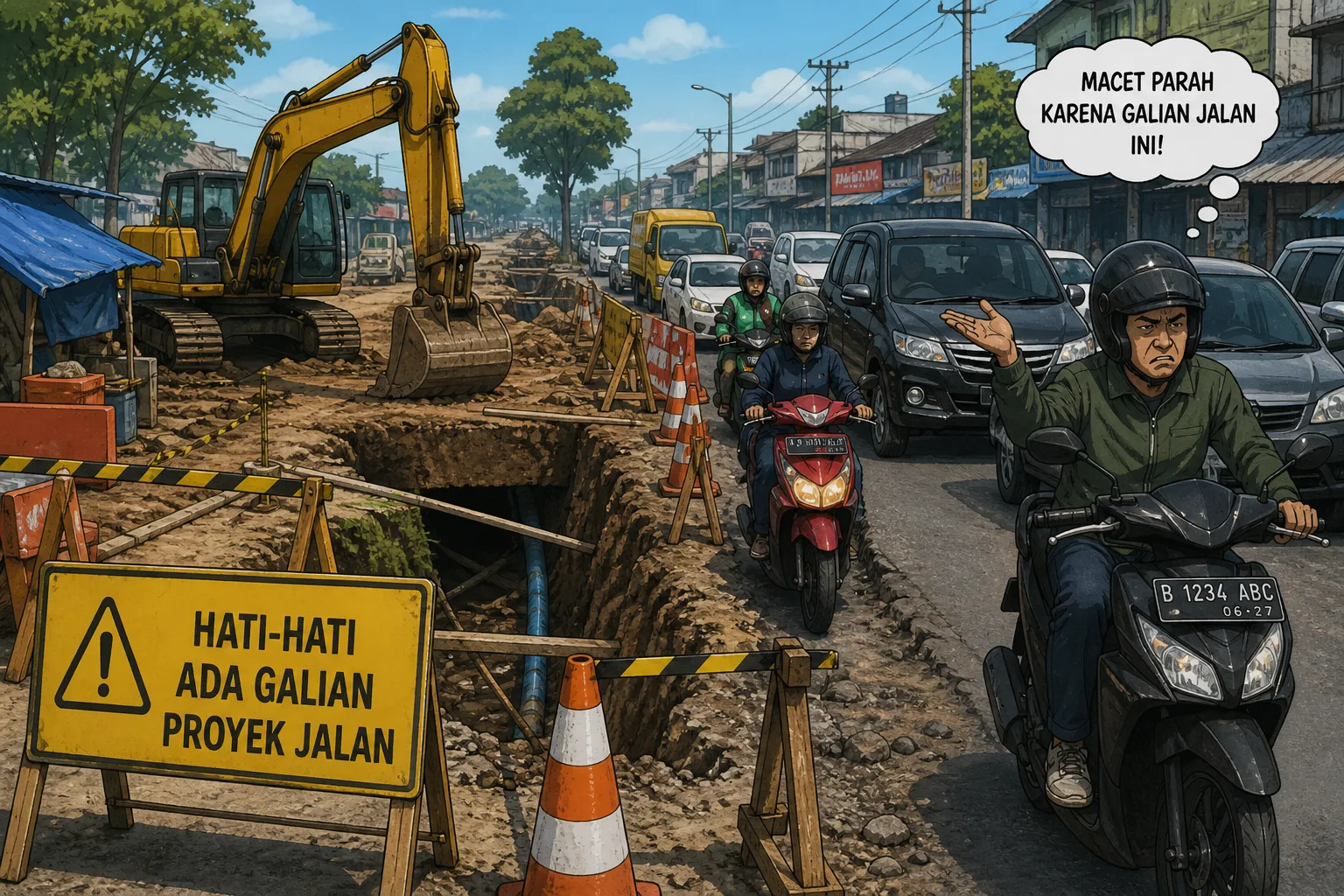
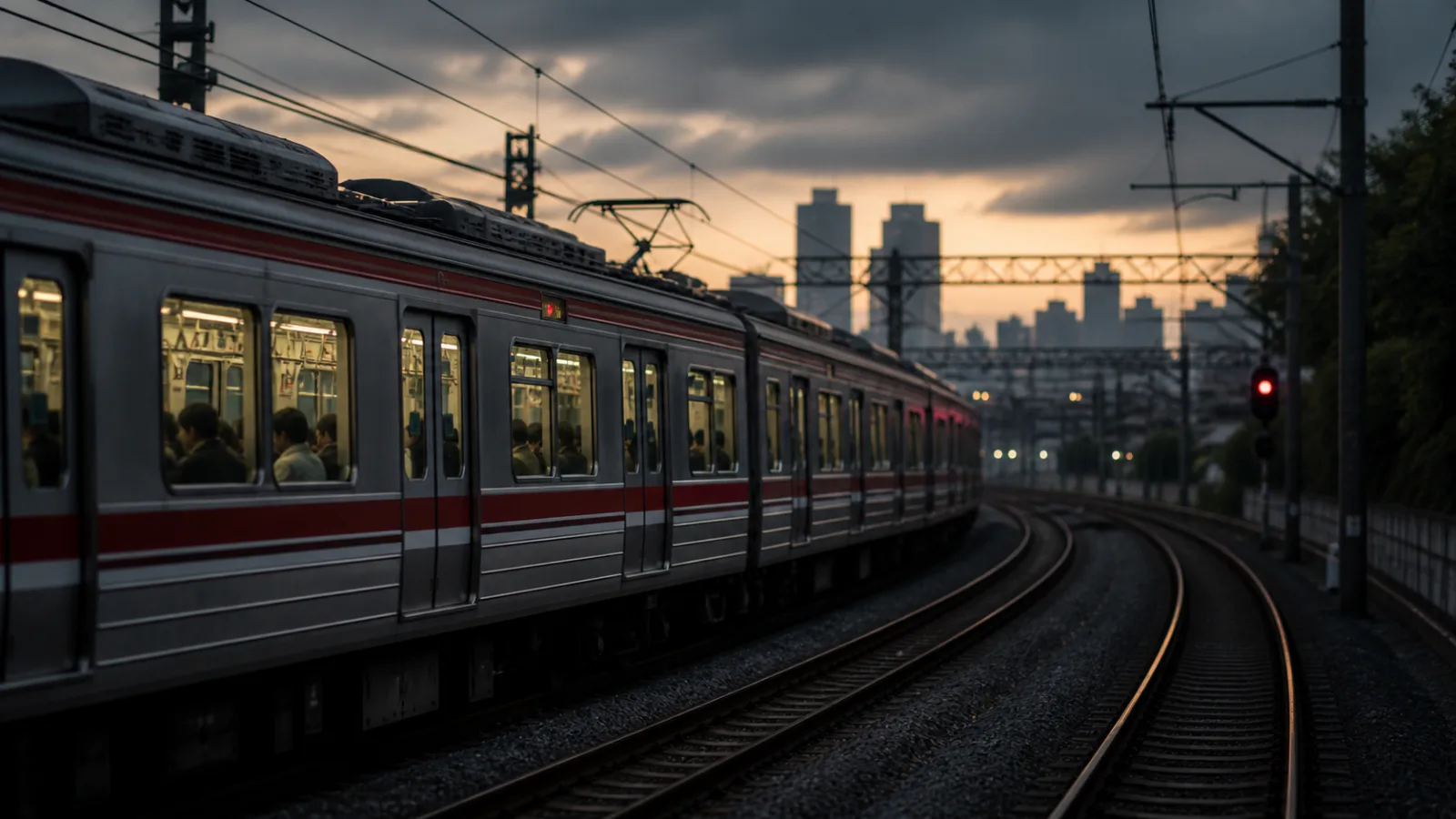
Ilustrasi Kemacetan Disebabkan Adanya Proyek Galian Utilitas
(Source: AI ChatGPT, Suryadi)
Opinion Note
This opinion article was written by a contributor/columnist. The views expressed are entirely the responsibility of the author and do not necessarily represent the views of the editors.
CONTRIBUTOR PROGRAM
You can become a columnist at Legal Literacy.
Submit your legal opinion/analysis writing. If it is published, you have the opportunity to obtain a payout/honorarium in accordance with the provisions.
Table of Contents
Referensi
- Liputan6.com, 24 April 2026, banyak Aduan Jalan Rusak Akibat Galian Pemprov DKI Janji Lebih Galak Lagi, https://www.liputan6.com/news/read/6322685/banyak-aduan-jalan-rusak-akibat-galian-pemprov-dki-janji-lebih-galak-lagi ↩︎
- Sari Amalia Dewi, "Regulasi Penggalian Jalan dan Mekanisme Hukum bagi Warga Terdampak Kemacetan: Studi Kasus DKI Jakarta", Petanda : Jurnal Ilmu Komunikasi dan Humaniora, Vol.7 No.2 (2025), Hal.125 ↩︎
- Peraturan DKI Jakarta No.8 Tahun 2025 Tentang Penempatan Jaringan Utilitas ↩︎
- Berita Jakarta, 17 Maret 2026, Komisi D Tekankan Pentingnya Penataan Jaringan Utilitas Terpadu, https://m.beritajakarta.id/read/151501/komisi-d-tekankan-pentingnya-penataan-jaringan-utilitas-terpadu ↩︎
Internship
Edited by
Editorial Desk
Support
• Indonesian Legal Literacy
Read more comfortably, while supporting literacy.
Join Membership or submit your article for publication.
Membership
Read without ads, focus more, and access premium features.
Submit Article
Submit your writing—we curate and help publish it. If it is published, you have the opportunity to earn points/payouts according to the terms.



















Comments
0Share your perspective politely, stay relevant, and focus on the article. Comments appear after moderation.
Join the discussion
Write a clear, polite response that stays on topic.
No comments yet. Be the first to discuss.
Comments will appear after moderation.