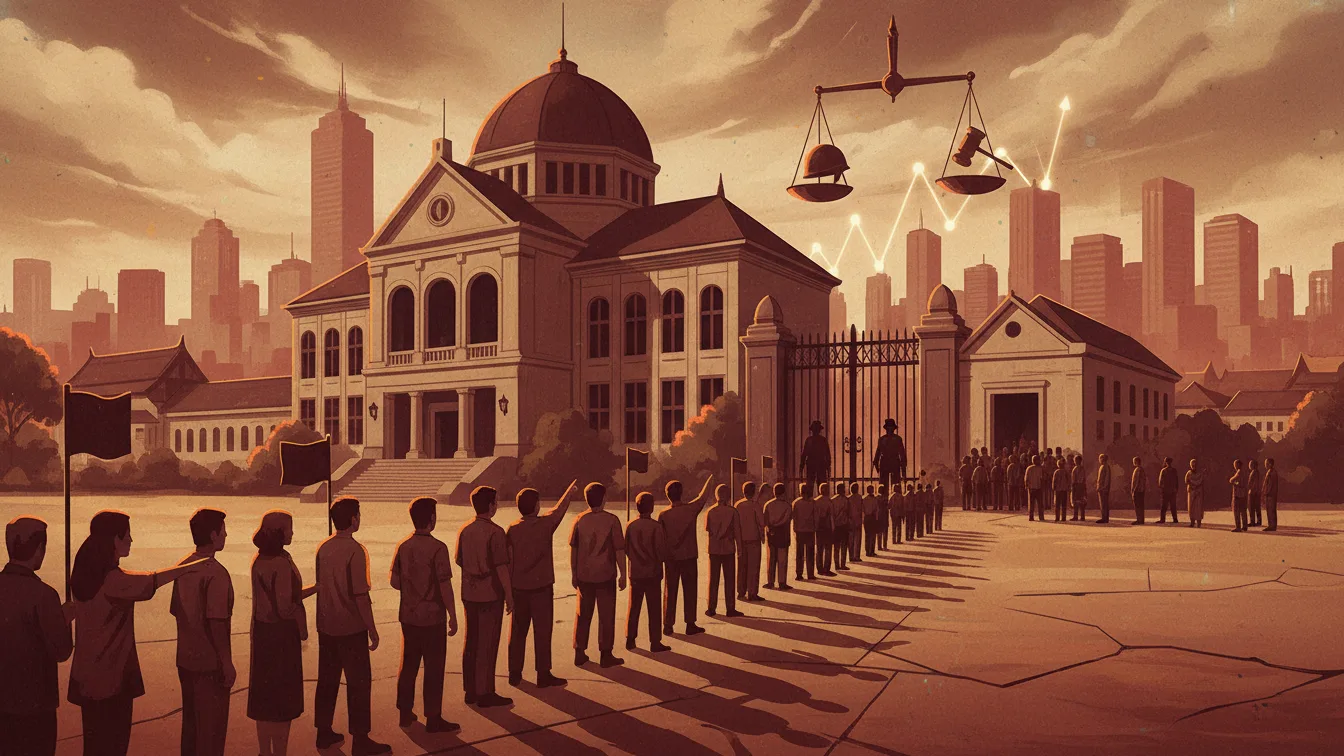
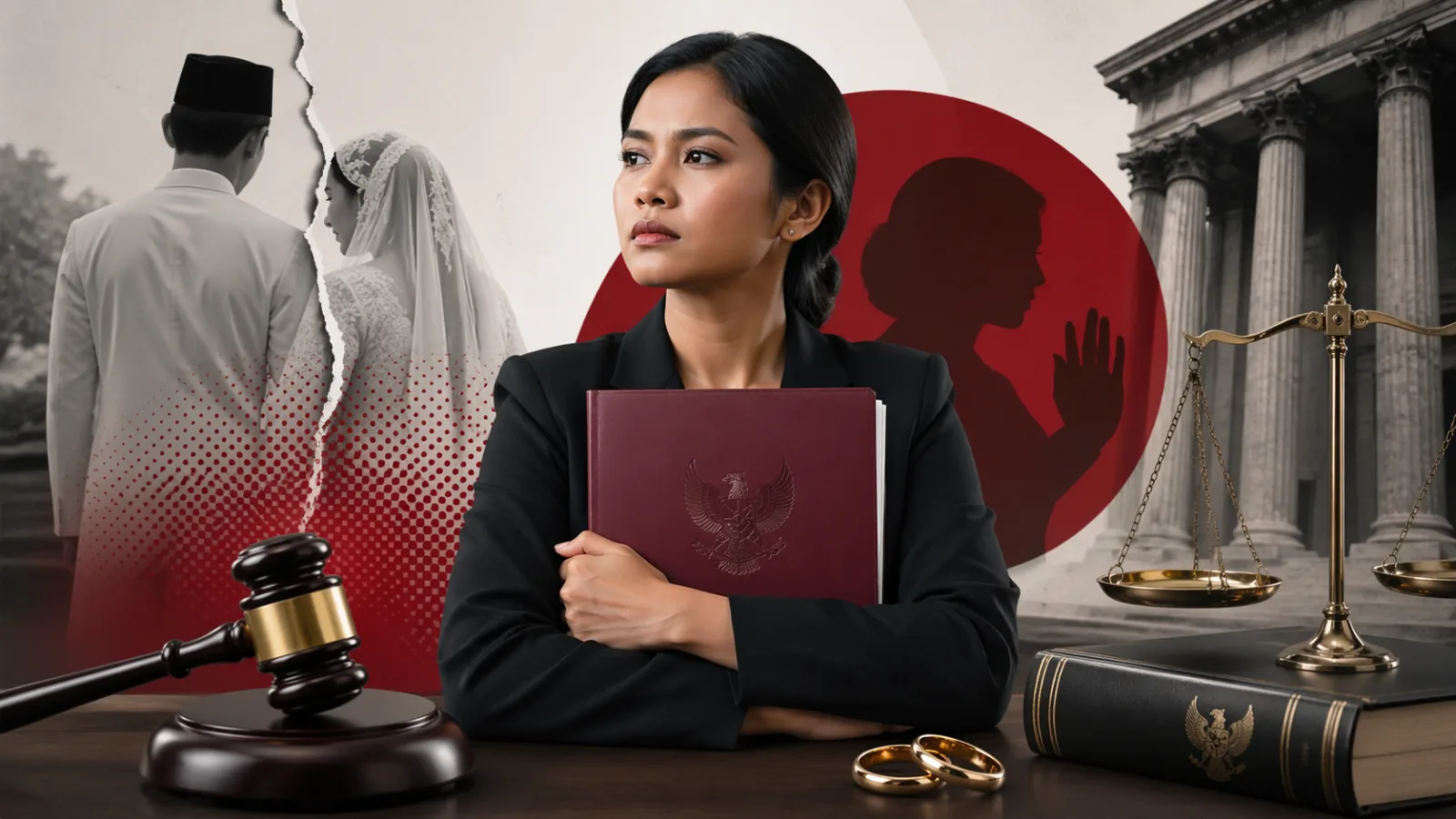
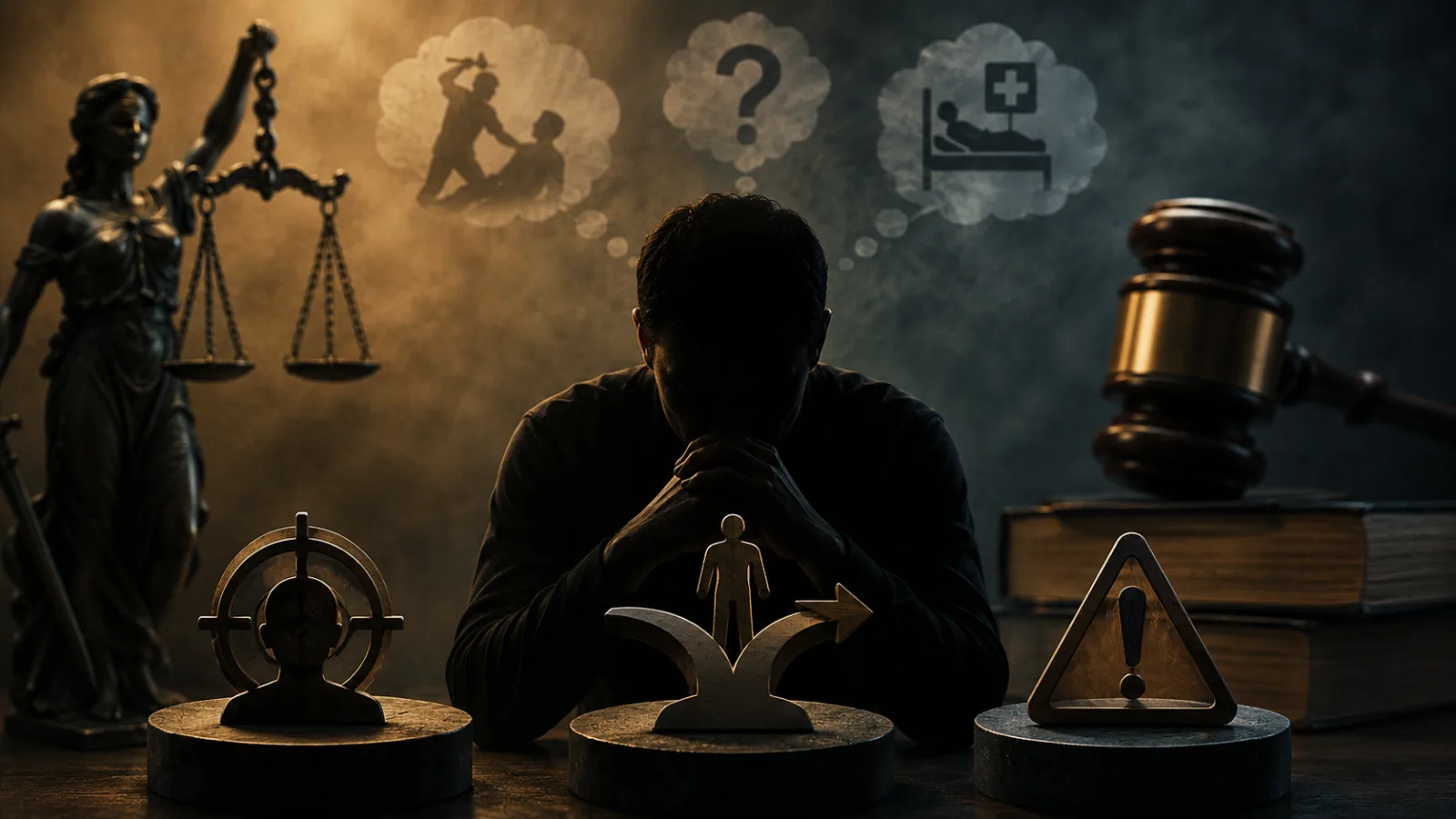
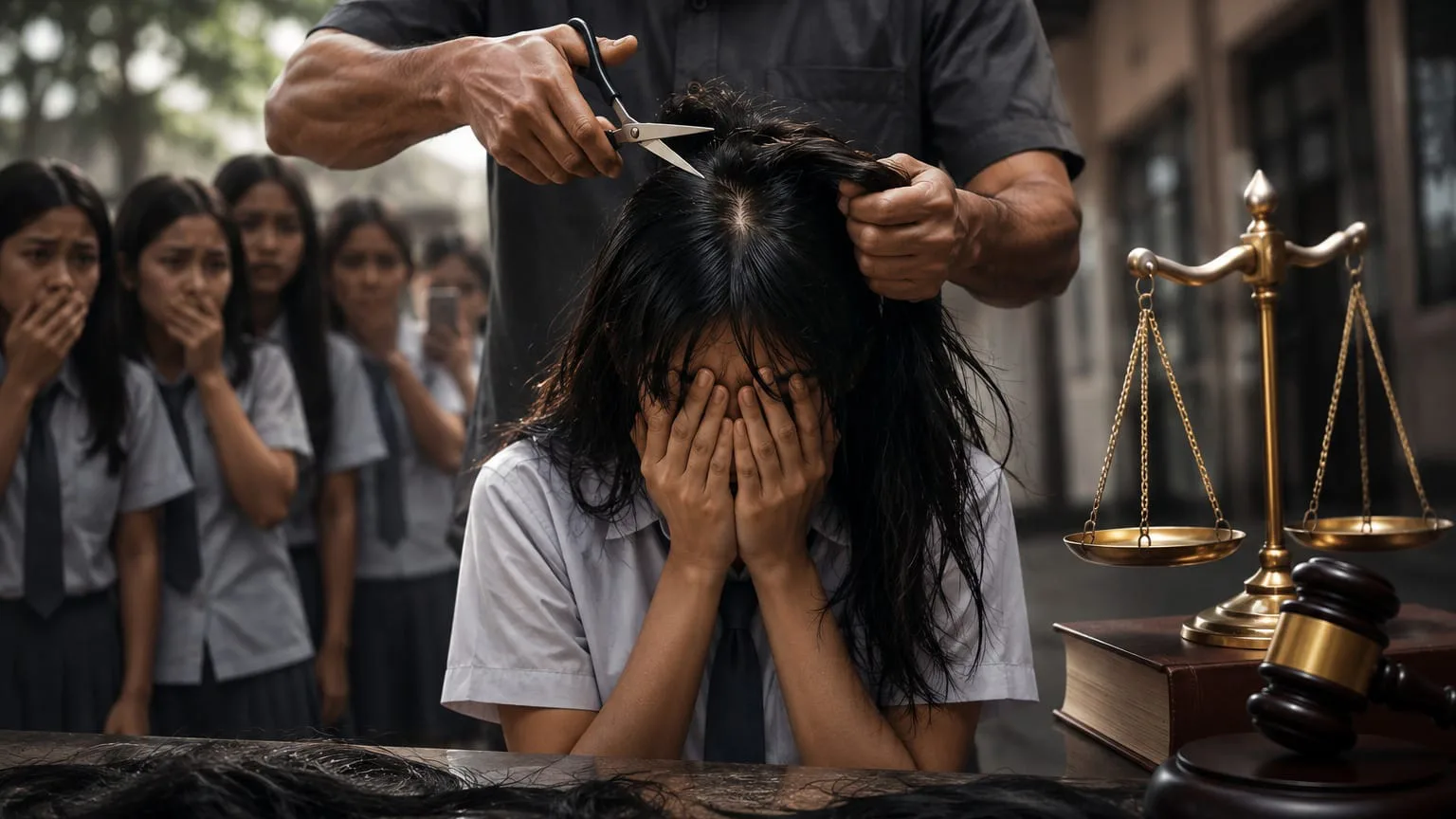
Legal Literacy - The Indonesian legal world is once again shaken by the tragedy that befell human rights activist and Deputy Coordinator of KontraS, Andrie Yunus. The act of throwing hard water in the Salemba area in March 2026 was not just a physical attack on an individual, but an attack on freedom of expression. However, behind the burns suffered by the victim, a legal debate arises that is no less heated, namely, where should the perpetrators be tried?
Jurisdictional Barriers: Civil or Military?
When the investigation led to the involvement of four members of Denma BAIS TNI, the hot potato of law enforcement immediately rolled into the realm of the Military Court. Based on Law Number 31 of 1997 concerning Military Courts, every member of the TNI who commits a criminal act, whether a military or general crime, must submit to a military court.


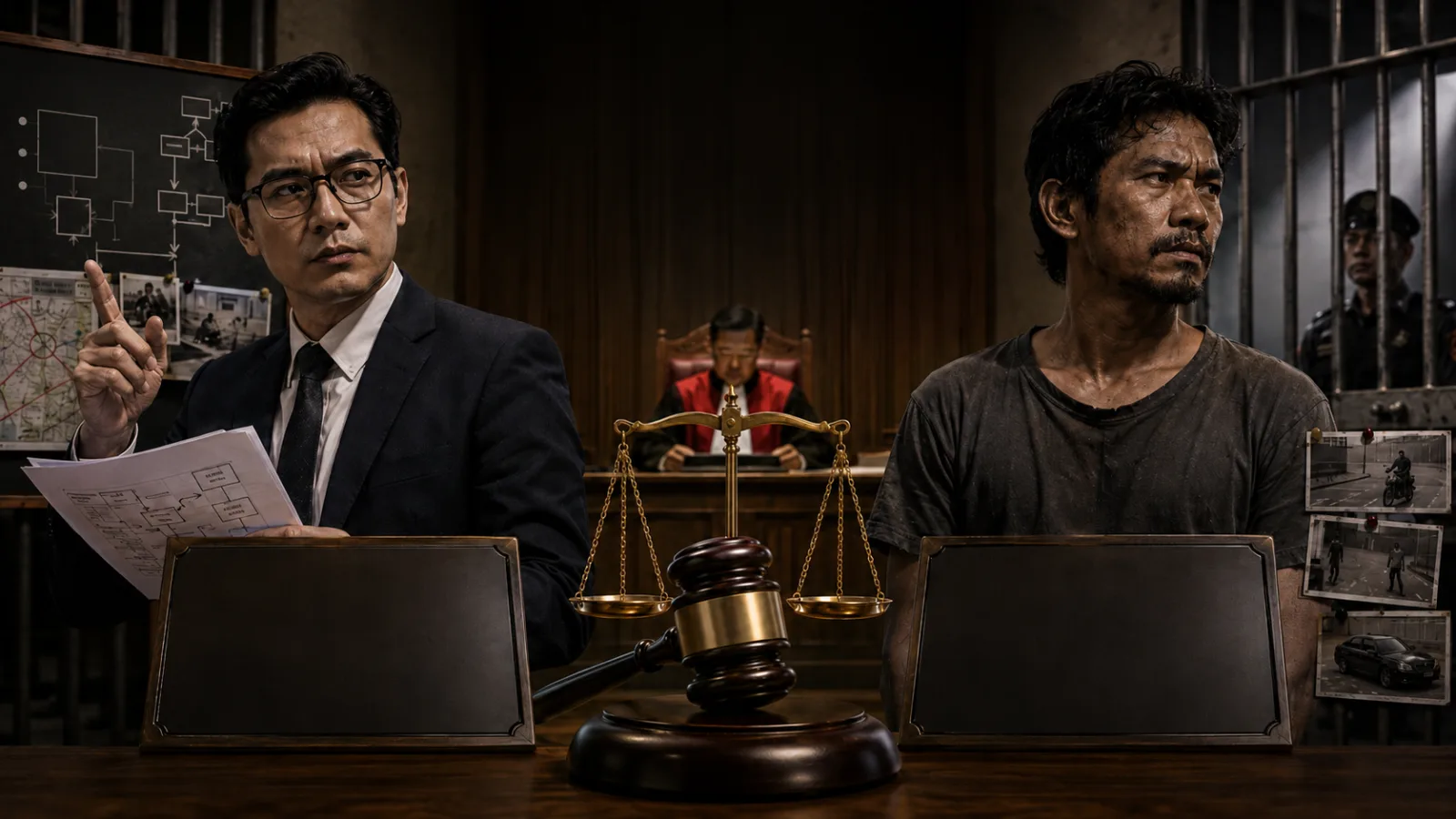
However, this is where the problem lies. The Andrie Yunus case is a general crime (planned severe abuse). The victim is a civilian. Thus, a fundamental question arises: Is it fair if perpetrators who attack civilians are tried in their own "house" which is closed to public access?
Weak Points of the Military Court in General Criminal Cases
The military court is designed to maintain military discipline (such as cases of desertion or insubordination). However, when used to prosecute violence against civilians, there are several major risks that haunt, namely















Comments
0Share your perspective politely, stay relevant, and focus on the article. Comments appear after moderation.
Join the discussion
Write a clear, polite response that stays on topic.
No comments yet. Be the first to discuss.
Comments will appear after moderation.