
My parents are currently burdened with a substantial amount of bank credit debt due to a failed business. Lately, debt collector from the bank have been frequently calling and visiting me. They threaten that if my parents cannot pay the debt, or if my parents pass away, then I, as their biological child who is employed and earning an income, am obligated to pay off the entire remaining debt. Is it legally true that a parent's debt automatically becomes the responsibility of and must be paid off by their child?
Are Children Obligated to Pay Off Their Parents' Debts? Here's the Legal Explanation
See the complete explanation of whether children are legally obligated to pay off the debts of parents who are still alive or deceased according to the Civil Code and Islamic Law.

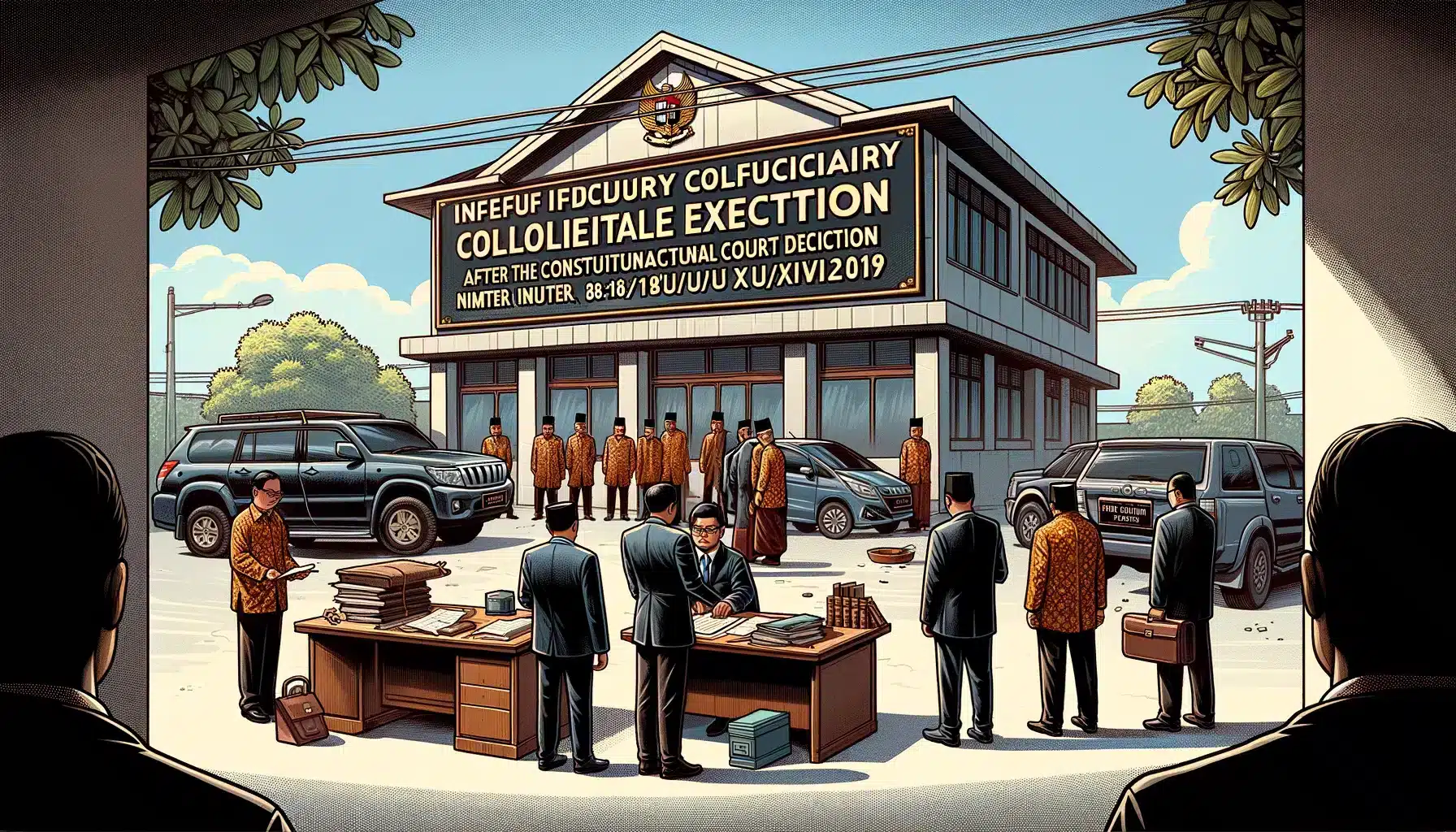
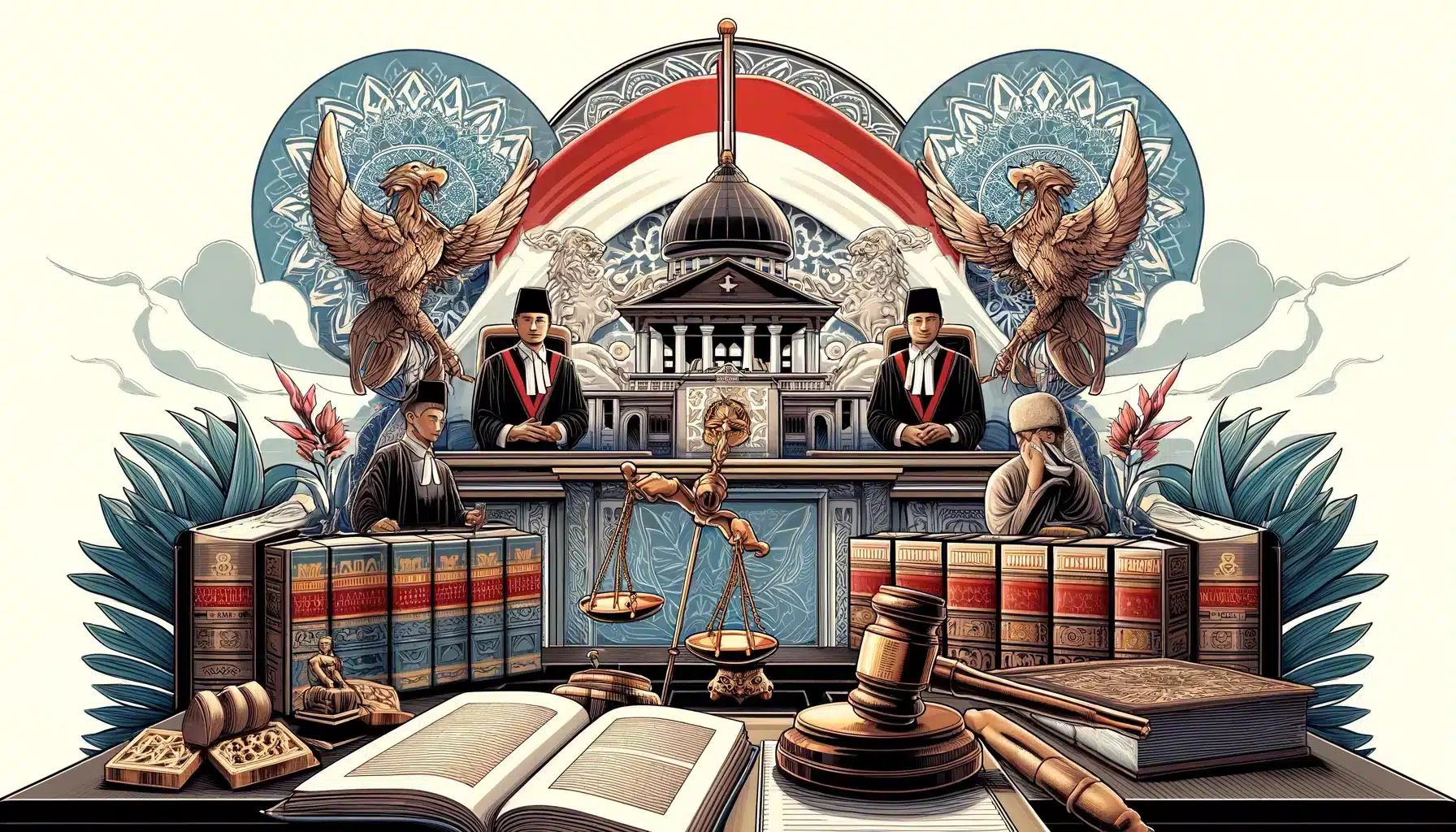
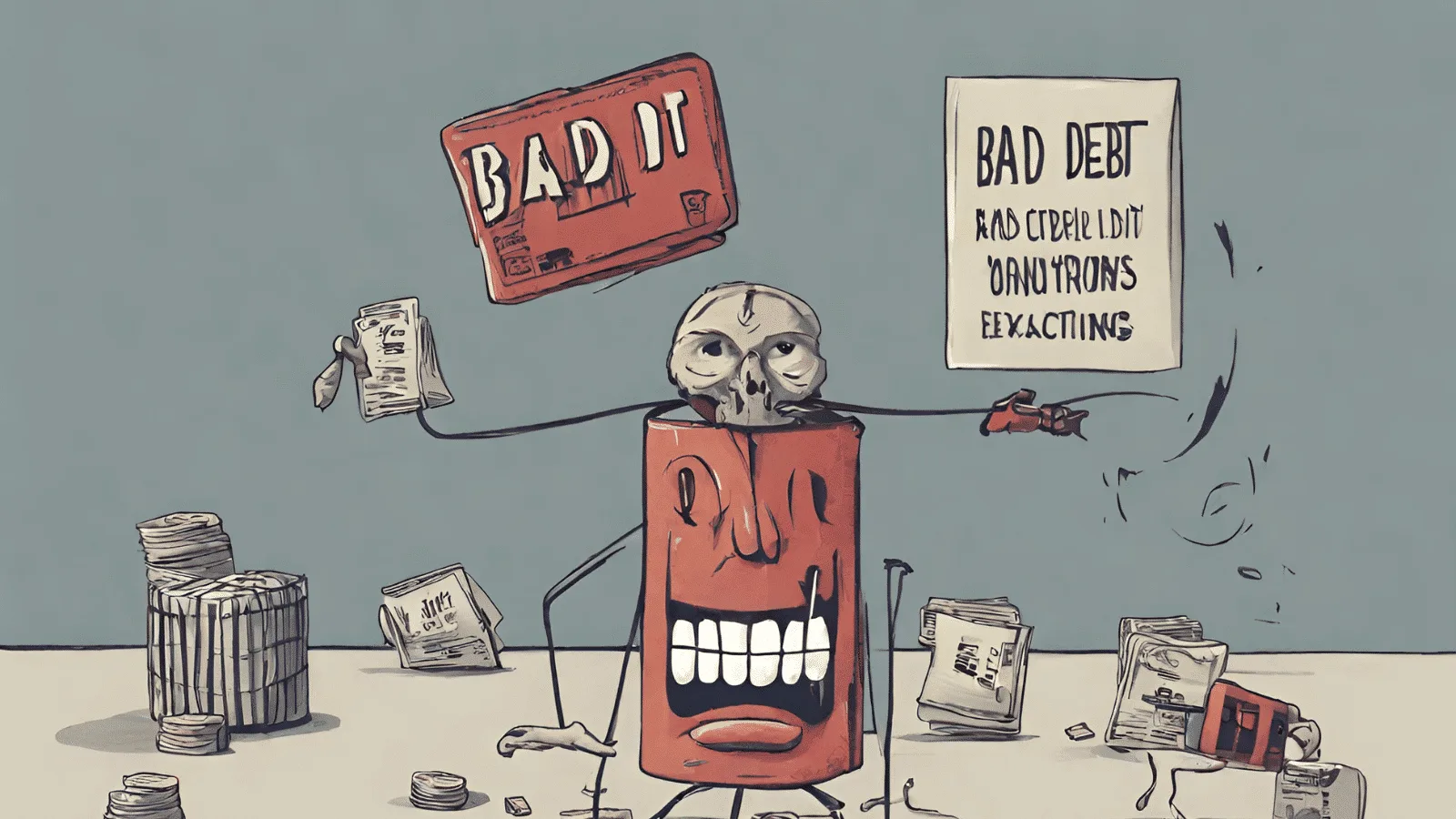
Ilustrasi penjelasan hukum mengenai kewajiban anak melunasi utang orang tua, baik yang masih hidup maupun telah meninggal dunia.
(Source: AI Gemini, Redaksi Literasi Hukum Indonesia)
Question
Legally, a child is not obligated to bear or pay off their parents' debts with their personal assets. Whether the parents are still alive or have passed away, the legal principles in Indonesia strongly protect a child's personal assets from being ensnared by their parents' debts.
While the parents are alive, the debt is purely a contractual agreement between the parents (debtor) and the bank (creditor), so the child is not a party who must be held responsible. When the parents die, the obligation to repay the debt does pass to the child as an heir, but the responsibility is limited to the value of the inheritance left by the parents. Both Western Civil Law and Islamic Law in Indonesia agree that if the inheritance is exhausted or the parents do not leave any assets at all, the child cannot be forced to pay the remaining debt with their personal assets.
The practical conclusion: You have the right to firmly reject the bill debt collector if billed for the parents' debt, as long as you have never signed an agreement as a guarantor (borgtocht). If the parents die and the debt is greater than their assets, you can officially reject the inheritance in court to be free from all debt bills.
Full Review
Thanks for your question. Read the full analysis below.
Table of Contents
- 1. Child's Responsibility While Parents Are Still Alive
- 2. Responsibilities of Heirs According to Civil Law (KUH Perdata)
- 3. Responsibility for the Testator's Debts According to Islamic Law and the Compilation of Islamic Law Views
- 4. Jurisprudence Practice Supreme Court
- 5. What Steps Should Be Taken If You Are Chased for Payment?
- Legal Basis
- Civil Code (KUH Perdata)
- Islamic Law and Jurisprudence
- Conclusion
- FAQ (Frequently Asked Questions)
Section 3/3: 3. Responsibility for the Testator's Debts According to Islamic Law and the Comp…
3. Responsibility for the Testator's Debts According to Islamic Law and the Compilation of Islamic Law Views
For Muslims in Indonesia, inheritance law is based on the Compilation of Islamic Law (KHI). In this system, the protection of a child's personal assets from parental debt is much more automatic than in the Civil Code.
Based on Article 175 paragraph (1) letter b of the KHI, the heir's obligation is indeed to settle the testator's debts. However, the limits of this responsibility are very strictly regulated in Article 175 paragraph (2) of the KHI, which reads: "The heir's responsibility for the testator's debts or obligations is limited to the amount or value of the inheritance." This means that if the parent's inheritance is IDR 100 million, while the bank debt is IDR 500 million, then you as a child are only obliged to hand over that IDR 100 million to the creditor. The remaining debt of IDR 400 million is not your legal obligation to pay using your own hard-earned money or personal assets.


This view is strongly supported by scholars. According to Ibnu Qudamah in his book Al-Mughni, if the deceased leaves no inheritance, then the heirs have no obligations, because paying the debts of the deceased is not obligatory for the heirs from their own assets. Similarly, Sheikh Muhammad bin Shalih Al Utsaimin in Al Qawa’idul Ushul Al Jami’ah also affirms that if the father dies with debts greater than the inheritance, the child should not be forced and obliged to pay the father's debts.
Although legally and jurisprudentially you are free, it should be noted that in terms of moral and theological (religious) values, the law of paying off parents' debts with children's personal assets is mustahab (highly recommended) as a form of devotion (birrul walidain) so that the spirits of the parents are at peace, but once again, this is not a compulsion.
4. Jurisprudence Practice Supreme Court
The application of legal protection for children or heirs so that they do not fall into poverty due to the debts of their parents is also confirmed by Supreme Court.
In Permanent Jurisprudence Supreme Court Decision Number 3574 K/Pdt/2000, the Supreme Court explicitly rejected the creditor's claim to seize the personal assets of the family/heirs to pay off the deceased's debt. The Supreme Court stated that the heir's responsibility for the heir's debt is only limited to the amount or value of the inheritance. Assets that are not part of the deceased's inheritance (assets brought in/personal assets of children and wives) are prohibited from being used as collateral or confiscated to pay off the parents' debts.
5. What Steps Should Be Taken If You Are Chased for Payment?
If you are pressured by creditors or debt collector, take the following steps in sequence:
- If Parents Are Still Alive: Refuse firmly and inform the bank that you are not a party to the debt agreement. Never sign any documents presented unilaterally that trap you as a guarantor (borgtocht).
- Check Credit Life Insurance (AJK): If the parents later pass away and the credit is a mortgage or a large bank loan, it is usually protected by Credit Life Insurance. If the debtor dies, the insurance company will pay off the debt to the bank, and the collateral assets can be returned to the heirs.
- Be Careful in Your Actions (Do Not Accept Tacitly): If the parents die, do not rush to take, use, or sell the inherited assets (such as cars/houses). In the Civil Code, this action can be considered "tacitly accepting the inheritance," which automatically makes you fully inherit the debt.
- Register a Rejection of Inheritance: If your parents pass away and you know their debts far exceed their assets, immediately go to the One-Stop Integrated Service (PTSP) at the local District Court to register a "Rejection of Inheritance" (for non-Muslims subject to the Civil Code).
Legal Basis
Civil Code (KUH Perdata)
- Articles 1313 & 1340: The principle of contract privity, an agreement does not bind third parties (including children).
- Article 1820: Provisions regarding Debt Guarantors (borgtocht).
- Article 833: Principle saisine, transfer of rights and obligations automatically due to death.
- Article 1100: The obligation of the heirs to bear the debts of the testator according to the portion of the inheritance.
- Articles 1023, 1032, 1045: Right to Deliberate, Right to Accept Inheritance with Privileges, and Right to Reject Inheritance.
Islamic Law and Jurisprudence
- Compilation of Islamic Law (KHI) Article 175 paragraph (2): The heir's responsibility for the debts or obligations of the deceased is limited to the amount or value of the inherited assets.
- Supreme Court Decision Number 3574 of 2000: Affirms the protection of the heir's personal/private assets from confiscation due to the debts of the deceased testator.
Conclusion
It can be concluded that a child is not obliged to pay off a parent's debts using their personal assets, whether the parent is still alive or after they have passed away. While the parents are still alive, the legal relationship of the debt is absolutely the responsibility of the parents as the party signing the agreement.
If the parents die, the obligation to pay off the debt does indeed pass to the heirs, but the responsibility for payment is absolutely limited only to the parents' estate itself. According to both Islamic Law (KHI) and Civil Law (BW), if the total assets left behind are not sufficient to cover the debt, then the remaining debt is considered settled or cannot be forcibly collected from the child's personal accounts or personal assets.
As an heir, you have a legal protection instrument in the form of the right to refuse inheritance or accept it with a record (inventory). Understand your rights, avoid unwarranted legal intervention from creditors, and continue to prioritize good faith by not hiding assets that are rightfully the creditor's.
FAQ (Frequently Asked Questions)
1. Can a bank seize a child's house to pay off a parent's debt? No, it cannot. The bank is only entitled to seize collateral that has been bound in a credit agreement or the legitimate inheritance of the parents. Personal assets purchased from the child's own income may not be confiscated to settle the parent's debt failure, according to the principle of separation of assets and Supreme Court Decision Number 3574 K/Pdt/2000.
2. Is a child religiously (Islamically) sinful if they do not pay off the remaining debt of a bankrupt parent? According to scholars such as Ibn Qudamah and Sheikh Utsaimin, if a parent dies without any inheritance, then the child's obligation under Islamic law is nullified. The child is not judged sinful if they are unable to pay using their own assets. Settling the parent's remaining debt from the child's personal funds is only mustahab (an act of sunnah or a recommended good deed), not an absolute obligation.
3. Is a child obligated to provide for their parents who have become impoverished due to debt? Based on the Marriage Law and Islamic Law, a child who is an adult and self-sufficient does have an obligation to help parents who are in a direct ascending line if they are in a state of poverty. However, this sustenance is measured based on basic living needs (food, clothing, medical treatment), and cannot be interpreted as an obligation to bear the commercial or business debts of their parents.
Support
• Indonesian Legal Literacy
Read more comfortably, while supporting literacy.
Join Membership or submit your article for publication.
Membership
Read without ads, focus more, and access premium features.
Submit Article
Submit your writing—we curate and help publish it. If it is published, you have the opportunity to earn points/payouts according to the terms.















Comments
0Share your perspective politely, stay relevant, and focus on the article. Comments appear after moderation.
Join the discussion
Write a clear, polite response that stays on topic.
No comments yet. Be the first to discuss.
Comments will appear after moderation.