
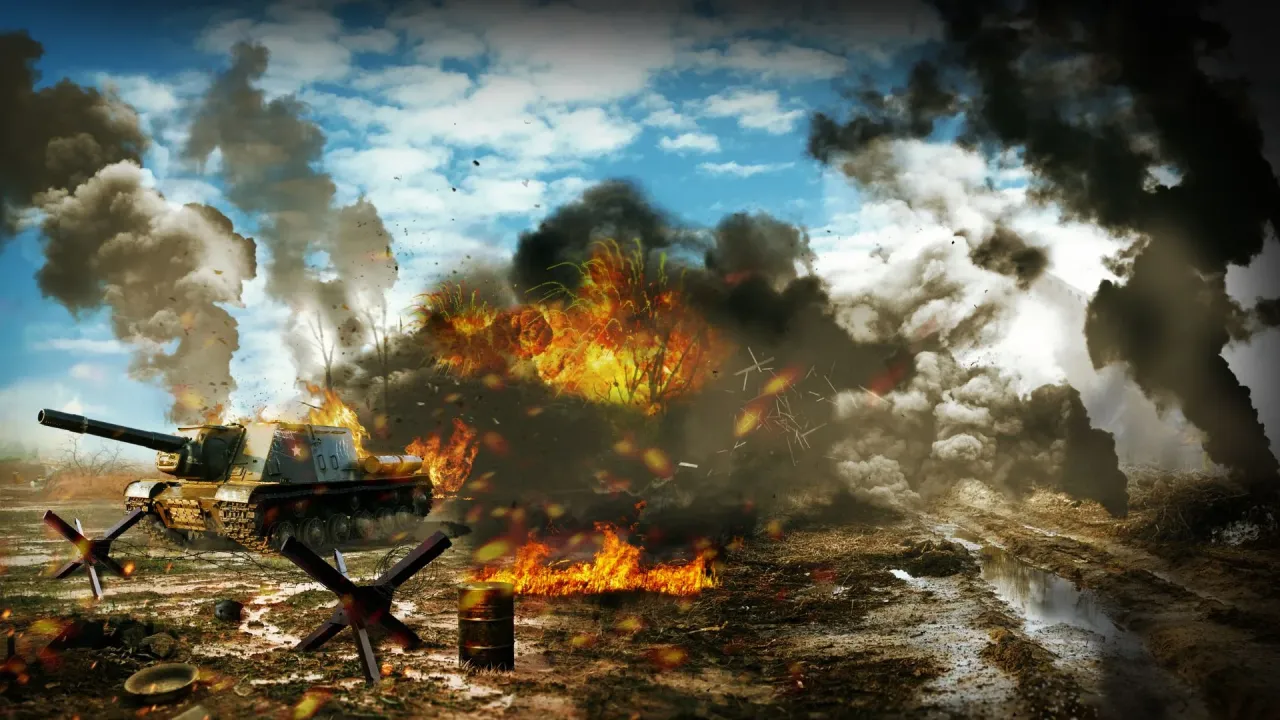
Literasi Hukum - Selama manusia ada maka konflik yang hadir di dunia sebagai konsekuensi atas kebebasan untuk memilih (free will) akan selalu ada. Namun disisi lain manusia juga menciptakan dan/atau menyusun suatu kaidah baik itu berasal dari moralitas wahyu Tuhan ataupun manusia itu sendiri untuk membatasi atau mengatur agar peperangan tersebut setidaknya dapat berjalan tanpa menimbulkan kehilangan yang tidak diperlukan baik itu nyawa atau harta benda. Aturan-aturan humaniter itu dimiliki oleh bangsa-bangsa di dunia misalnya menurut Jean Pictet seperti yang terkandung di dalam syair kepahlawanan Mahabharata dan undang-undang Manu
5 Orang yang Dilarang Diserang Dalam Konflik Menurut Islam
Sehingga jauh sebelum dikenal produk humaniter seperti Konvensi Jenewa dan Den haag ataupun Lieber Code hukum humaniter sudah dikenal hanya saja terbatas pada apa yang dianut oleh masing-masing negara dan bangsa. Salah satu bangsa ini adalah bangsa Arab khususnya ketika Islam mulai masuk dan disebarkan oleh Rasul Muhammad SAW. Dalam keyakinan tersebut tersusun sebuah kaidah yang membentuk hukum Islam salah satunya mengenai imunitas terhadap Nonkombatan dalam suatu konflik. Teerdapat 5 kategori yang dijadikan oleh Rasul sebagai larangan untuk diserang yakni:


- Perempuan
- Anak
- orang lanjut usia
- Rohaniawan
- Al-Asif (Orang sewaan)
Atas dasar larangan ini muncul dua kategori pembeda dalam Islam terhadap target yang boleh dan tidak untuk diserang yakni al-muqatilah/ahl al-qital/al-muharibah (kombatan) dan ghair al-muqatilah/ghair al-muharibah (nonkombatan). Istilah muqatilah berasal dari kata kerja yuqatil (memerangi/bertarung) sedangkan istilah muqaribah berasal dari kata kerja yuharib (bertempur dalam perang).
Kedua penggunaan istilah ini berasal dari zaman Rasul. Namun banyak ahli hukum tidak sepakat mengenai sasaran yang sah dalam perang ini akibat adanya ketidaksepakatan mereka dalam menentukan casus belli Islam. Oleh karena itu al-syafi'i (820 M) dan Ibnu Hazm (1064 M) menganggap bahwa casus beli Islam adalah kekafiran musuh yang selain anak-anak dan perempuan, siapapun menolak untuk membayar jizyah adalah sah sebagai sasaran perang.
Sementara itu mayoritas ahli hukum menganggap bahwa kasus belli Islam adalah agresi musuh dan bukan kekafiran semata memperluas daftar lima kategori nonkombatan dengan menerapkan metodologi analogi hukum untuk memasukkan jenis-jenis nonkombatan lainnya. Mereka lebih terfokus dalam upaya untuk mendaftarkan kategori-kategori musuh dan membedakan siapa yang memenuhi syarat yang sah sebagai sasaran dalam perang dengan yang tidak. Semua ketentuan itu mereka susun dengan tetap mengacu pada Al-Quran, hadis, dan sumber-sumber Islam lainnya sebagai dasar keputusan. Adapun kategori ini digambarkan sebagai berikut :








Komentar
0Bagikan perspektif Anda secara sopan, relevan, dan fokus pada isi artikel. Komentar tampil setelah moderasi.
Ikut berdiskusi