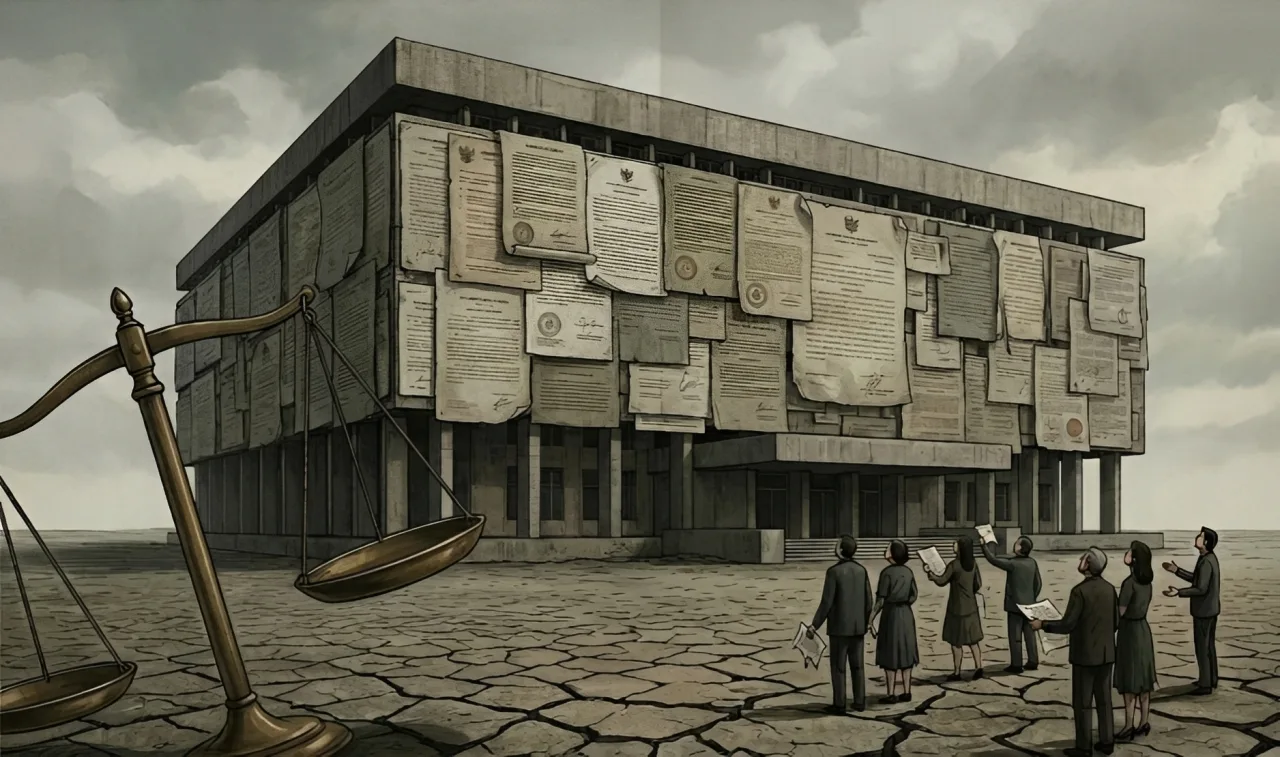
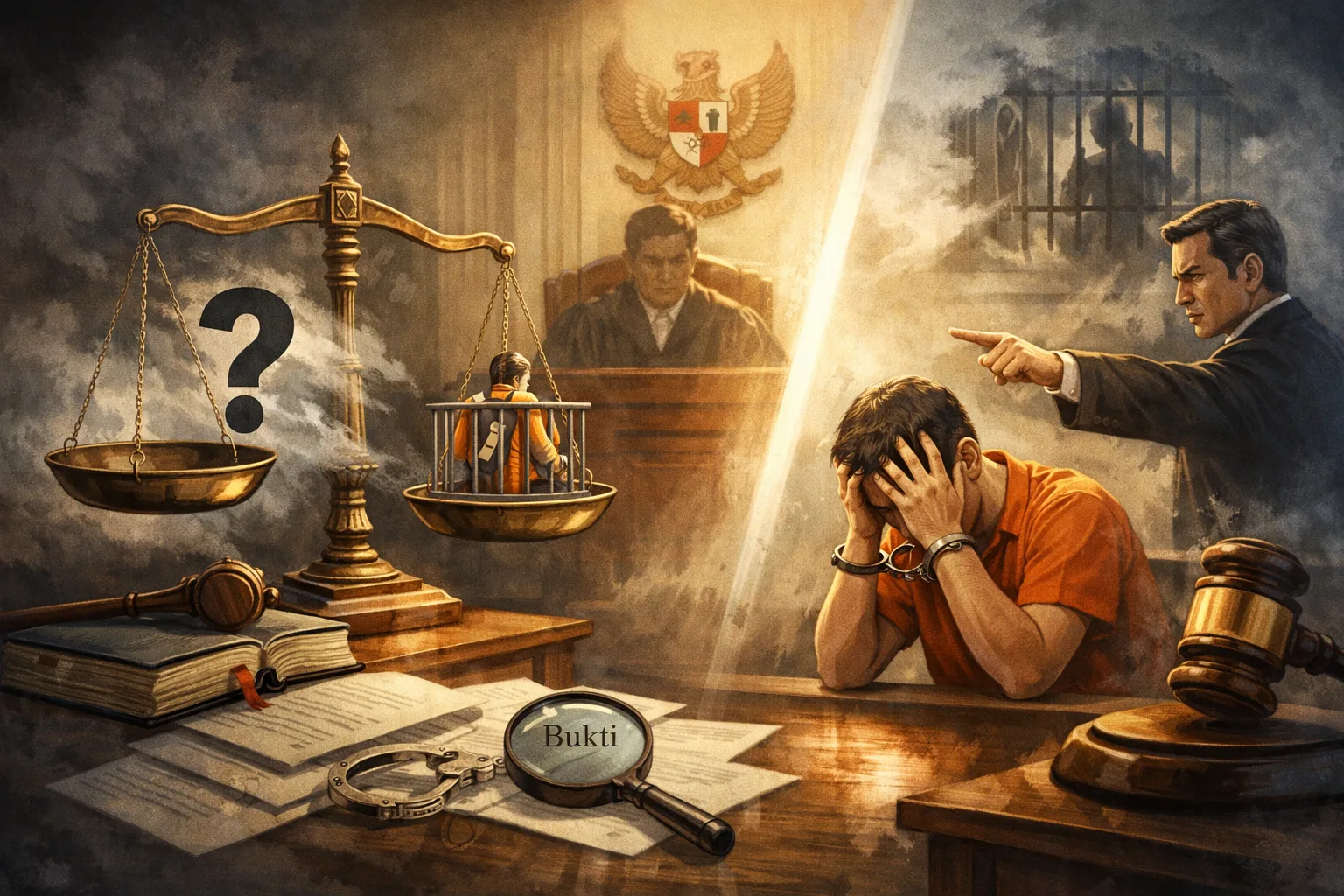
Under the republic's sky, which is cramped by thousands of regulations, we are witnessing a disturbing paradox: citizens of the state are forced to be perfect before the law, while the creators of the State law enjoy the luxury of constantly making mistakes without the burden of sin. In classical doctrine, we are taught the legal fiction adage, where every individual is considered to know the law immediately after it is enacted (Soerjono Soekanto, 2007). However, when the State produces flawed regulations, counterproductive policies, or maladministrative administrative decisions, the narrative that emerges is not "accountability", but merely "revision". As if, the state's mistake is just a pencil scratch that can be erased without leaving a scar on the body of justice.
State Error as an Ethical Crisis, Not Just a Technical Regulation
This phenomenon is not merely a technical issue of legislation, but a fundamental ethical crisis in governance. Lon Fuller in The Morality of Law once reminded us that law has an internal morality which, if violated, not only produces bad rules, but fails to become law at all. In a constitutional state of law, power is not only limited by law, but is also morally obliged to be responsible when the law it creates injures its people. We live in an ecosystem where the "cost of being wrong" for state administrators is almost zero. Imagine a public policy, for example, regarding chaotic trade or an immature education zoning system being implemented. The policy fails, causing economic losses for thousands of business actors or extinguishing the dreams of hundreds of students. What happens then? The policy is revoked, the regulations are revised. Finished. There is no legal mechanism that forces the state to bow its head and acknowledge this failure as an institutional burden.



Normative Impunity and the Loss of Cost of State Error
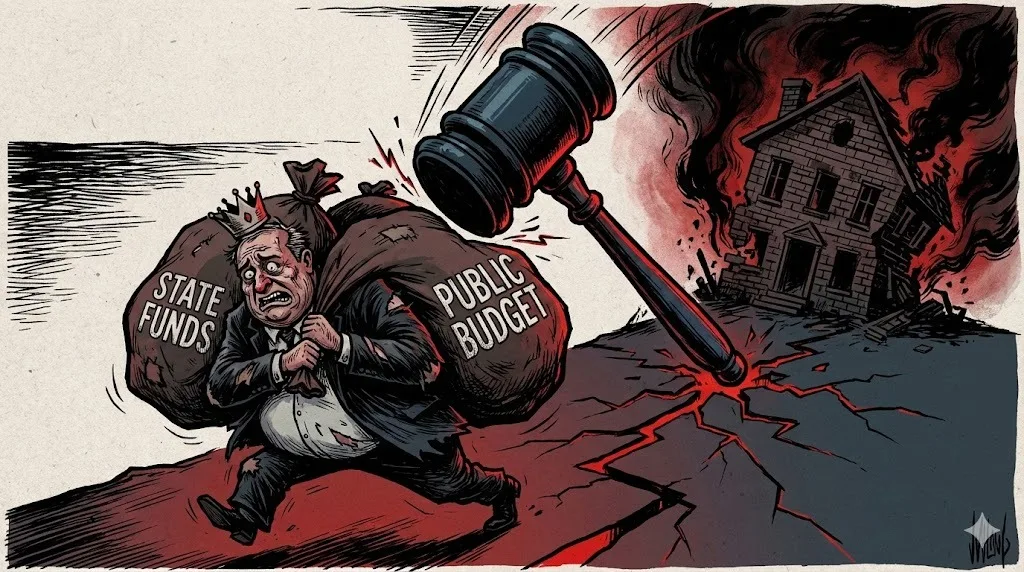
This accountability vacuum creates what I call "normative impunity." This is diametrically opposed to the criminal impunity that we often decry in cases of human rights violations. Normative impunity is far more subtle, legal, and systemic. It hides behind the cloak of discretion and attribution authority. When the Constitutional Court annuls a law because it is contrary to the 1945 Constitution, which means that the lawmakers have committed a constitutional error, are there any consequences for the DPR (House of Representatives) and the Government? None. They are only ordered to make improvements. There are no binding political sanctions, no moral fines, and of course, no institutional shame. This is the most ancient form of injustice: citizens are punished if they violate state rules, but the state is not punished when it violates the rights of its citizens through erroneous rules.
Limits of State Responsibility in Administrative Law
From the perspective of Administrative Law, we do recognize the concept of Onrechtmatige Overheidsdaad (Unlawful Act by the Government) which is adopted from Article 1365 of the Civil Code (Ridwan HR, 2011). However, let's be honest about the reality on the ground. This mechanism is purely civil and materialistic. It is oriented towards "compensation", not "restoration of dignity" or "acknowledgment of error". The state may pay compensation, but the essence of the error is never recognized as a moral defect of the authorities. Payment of compensation is considered a dispute resolution transaction, not institutional repentance. As a result, similar errors occur repeatedly. The state as a system of norm formation, not just its officials, becomes an administrative recidivist immune to the law.















Comment (0)
Write a comment