
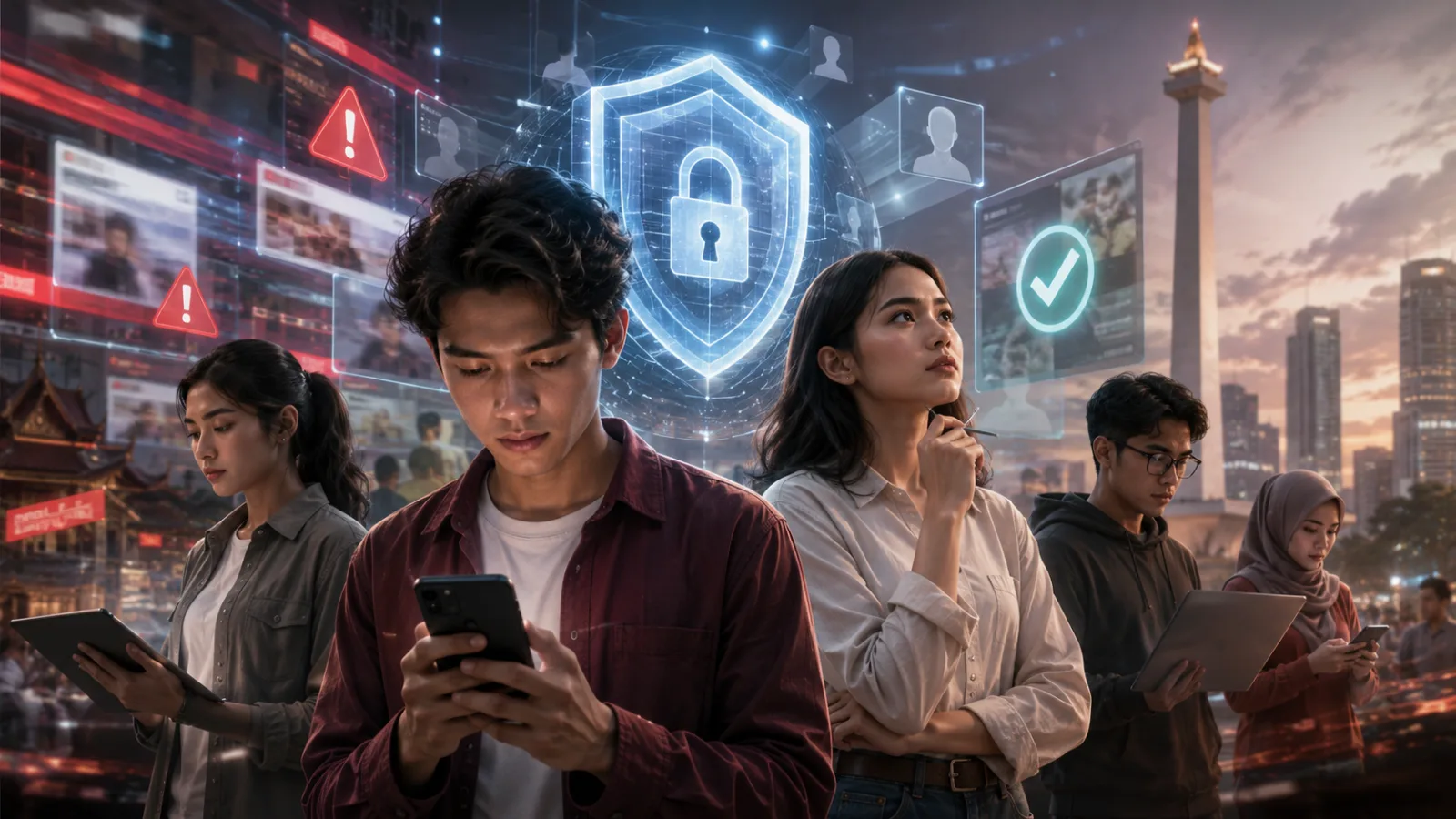
Obligations as a Digital Citizen: Fighting Hoaxes and Disinformation
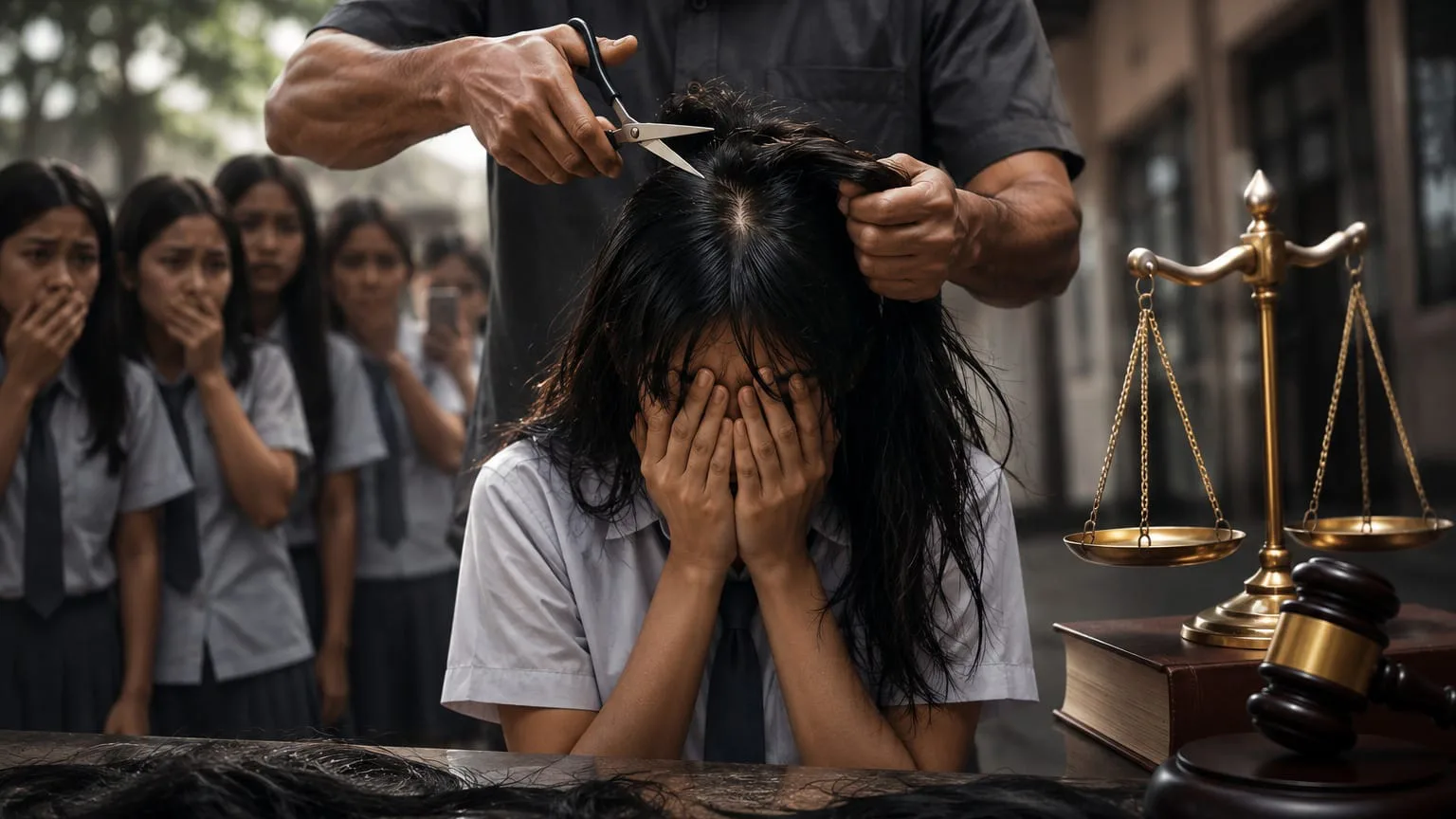
Now that we know about rights, let's talk about obligations. If we all just demand the right to expression without being responsible, our digital space will become wild and toxic. The government is currently aggressively implementing digital literacy, and explicitly states that "freedom of expression cannot be used as an excuse to spread content that violates one's privacy and honor."
Spreading hoaxes or fake news is no longer just a mistake, but a form of violation of obligations as a citizen. Disinformation undermines public trust, destabilizes, and can even trigger conflict.


Thus, digital literacy is our main weapon. Unfortunately, data shows that although internet penetration in Indonesia has reached 80%, the digital literacy index is still stagnant at the middle level. This means that many of us are already "online", but not smart enough to filter and verify information.
Key Role: Critical Young Voters
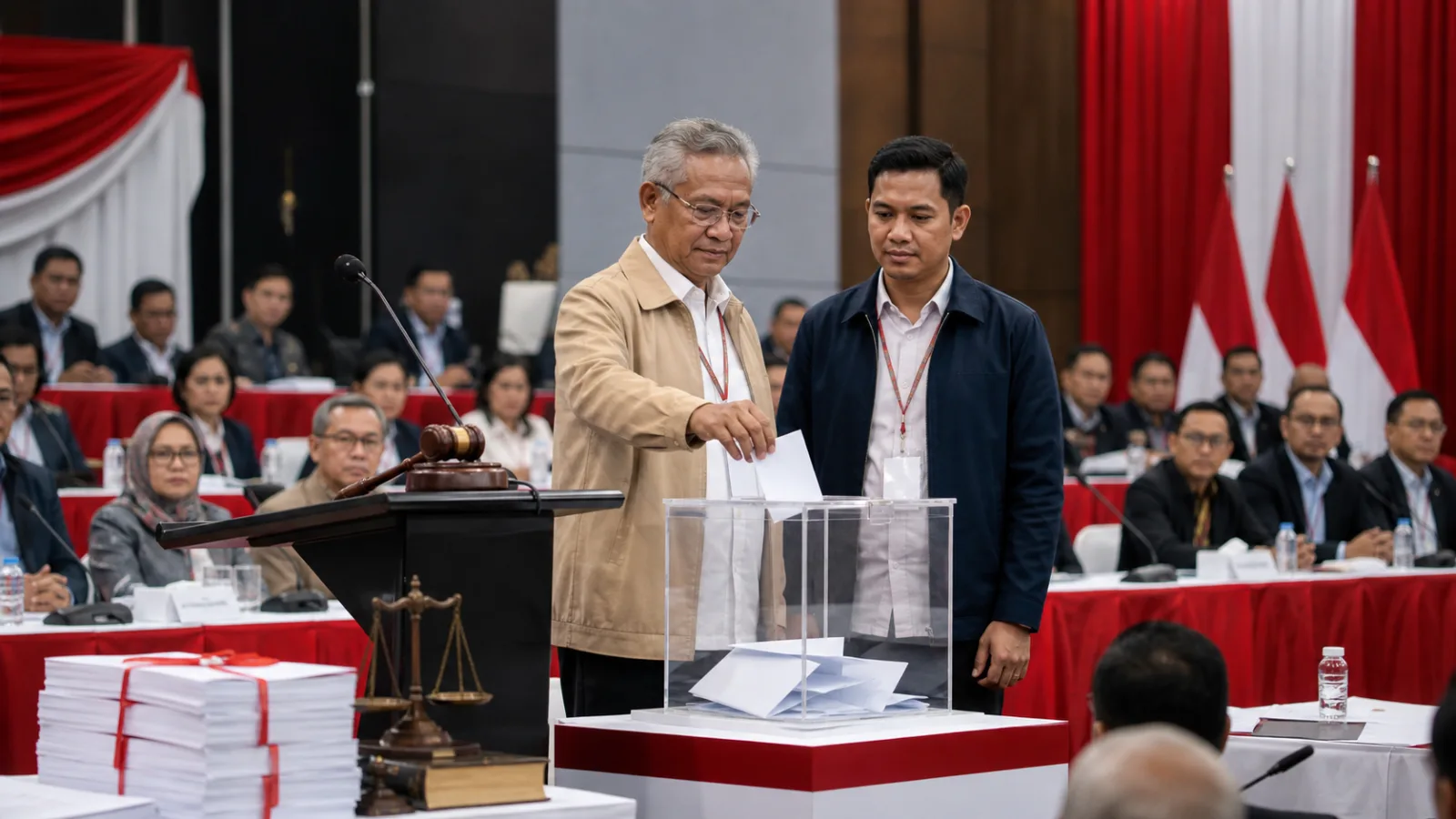
In turn, this understanding of digital rights and obligations is not just academic. It has a direct impact on our political practices and sovereignty. The Chairman of the Indonesian Election Supervisory Agency (Bawaslu), Rahmat Bagja, highlighted that the number of young voters currently reaches around 50 percent of the total national electorate. The voice of the younger generation determines the direction of the nation. They have great potential to become the "moral guardians of democracy".
"Young voters must be the moral guardians of democracy, not be tempted by money politics, and not participate in spreading hoaxes that can damage the democratic process," he said. The young generation has great power through social media to spread the values of clean, participatory and dignified democracy. Use timelines for critical discussions, not for spreading slander. If so far many people think politics is "dirty" and choose to abstain, this statement invites us to enter and change it from within.
Digital and Ethics: Education as Foundation
Finally, there is no meaningful change without education. The Ministry of Communication and Digital (Komdigi) is currently encouraging the strengthening of digital literacy at various levels, even in Islamic boarding schools and public schools. Education on digital rights and media ethics must be continuously promoted, starting from the village level to government institutions. Synergy between the government, media, and educational institutions is needed to create a free, critical, and civilized digital ecosystem.
Let's Play a Role
To conclude, the digital world is not "lawless". It is an extension of our public space. Understanding your rights in it will protect you from cybercrime and intimidation. Carrying out your obligations in it will create a calmer, smarter and more democratic Indonesia.
Start now. Before sharing an article, check its veracity. When our data is requested, read the privacy terms. And when the election comes, don't hesitate to use your voice and power for a better future. A critical generation is not only good at being loud, but also careful in their actions online.















Comments
0Share your perspective politely, stay relevant, and focus on the article. Comments appear after moderation.
Join the discussion
Write a clear, polite response that stays on topic.
No comments yet. Be the first to discuss.
Comments will appear after moderation.