

Tin Mine Corruption: What Does the Law Say?
Corruption is an act that damages or destroys, an act of dishonesty and immorality. Corruption is a form of abuse of power and authority by public officials by committing legal violations related to their duties, in order to seek profit for themselves and third parties. Corruption involves inappropriate and unlawful behavior from the public and private sectors to enrich themselves and their close associates. Corruption also involves persuading others to do such things by abusing their positions.
The viral case falls into the category of Grand Corruption, which causes fantastic state losses amounting to trillions of rupiah. This corruption benefits a small number of people and sacrifices the wider community. This case involves decision-makers regarding policies or regulations, involves unscrupulous officials, has a broad impact on national interests, and the crime is systemic and organized.



White Collar Crime
White Collar Crime is a form of crime committed by individuals with high socio-economic status. The types of white-collar crime in this case include falsification of tin mineral production, tin mining fraud designed to obtain large profits, and money laundering involving the process of taking money from illegal or "dirty" activities and transforming it into money that appears "clean" by passing the money through official channels and businesses to make it appear legitimately obtained. Bribery is carried out on those in power to gain advantages. The existence of a quid pro quo (each party involved in the terms and benefits of the bribery agreement), actus reus (both the recipient and the giver of the bribe are equally involved), and mens rea (both have the intention to receive benefits, although it is sometimes difficult to prove).
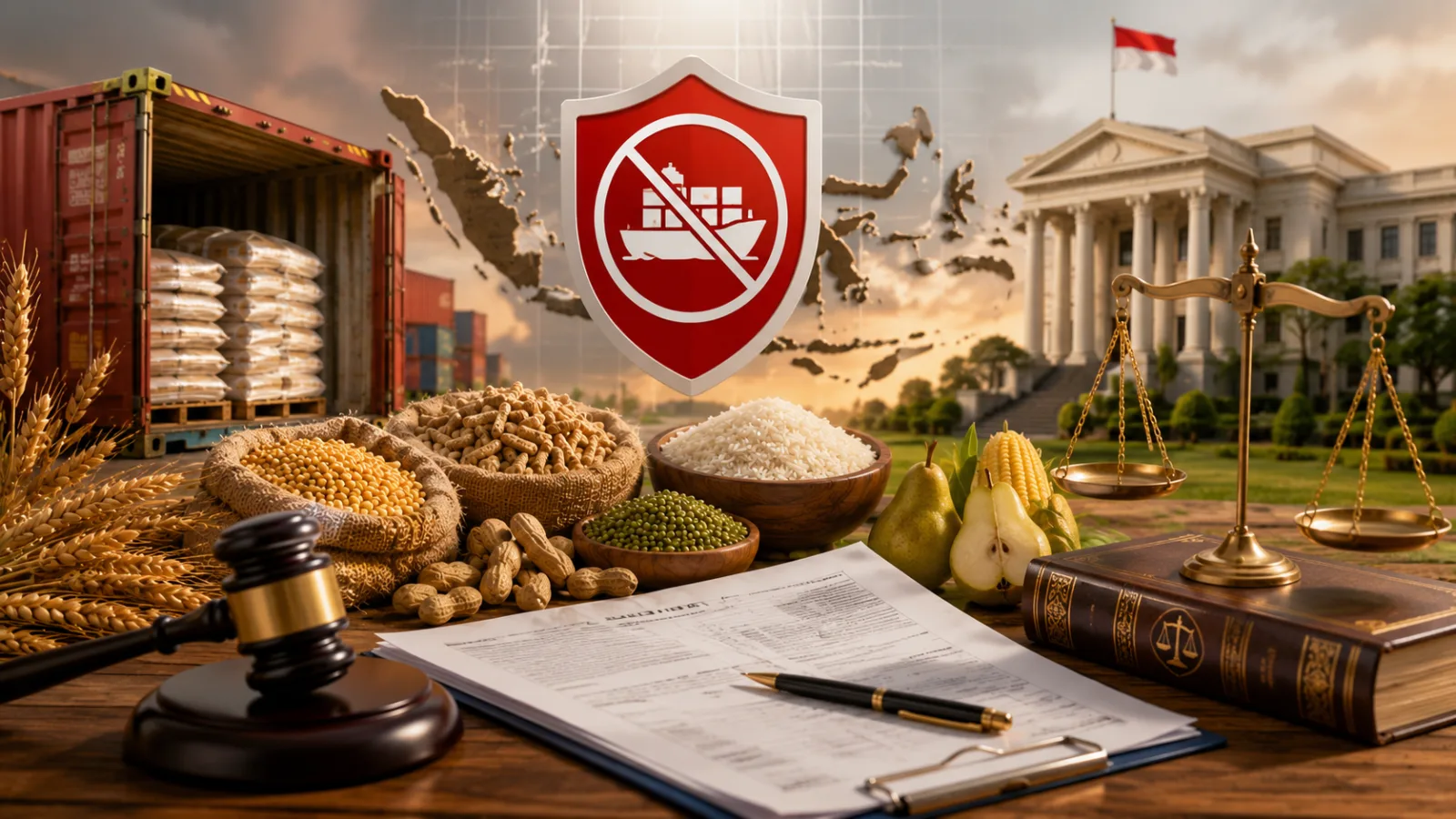
In this case, legal violations can be suspected, namely violating Law of the Republic of Indonesia Number 31 of 1999 concerning Eradication of Corruption. Article 2 paragraph (1) states that Every person who unlawfully commits an act of enriching themselves or another person or a corporation that can harm state finances or the state economy, shall be sentenced to imprisonment for life or imprisonment for a minimum of 4 (four) years and a maximum of 20 (twenty) years and a fine of at least Rp 200,000,000.00 (two hundred million rupiah) and a maximum of Rp 1,000,000,000.00 (one billion rupiah). Article 3 states that Every person who, with the intention of benefiting themselves or another person or a corporation, abuses their authority, opportunity, or means available to them due to their position or position that can harm state finances or the state economy, shall be sentenced to imprisonment for life or imprisonment for a minimum of 1 (one) year and a maximum of 20 (twenty) years and or a fine of at least Rp. 50,000,000.00 (fifty million rupiah) and a maximum of Rp 1,000,000,000.00 (one billion rupiah). Article 18 paragraph (1) In addition to the additional penalties as referred to in the Criminal Code, the additional penalties are:





















Comments
0Share your perspective politely, stay relevant, and focus on the article. Comments appear after moderation.
Join the discussion
Write a clear, polite response that stays on topic.
No comments yet. Be the first to discuss.
Comments will appear after moderation.