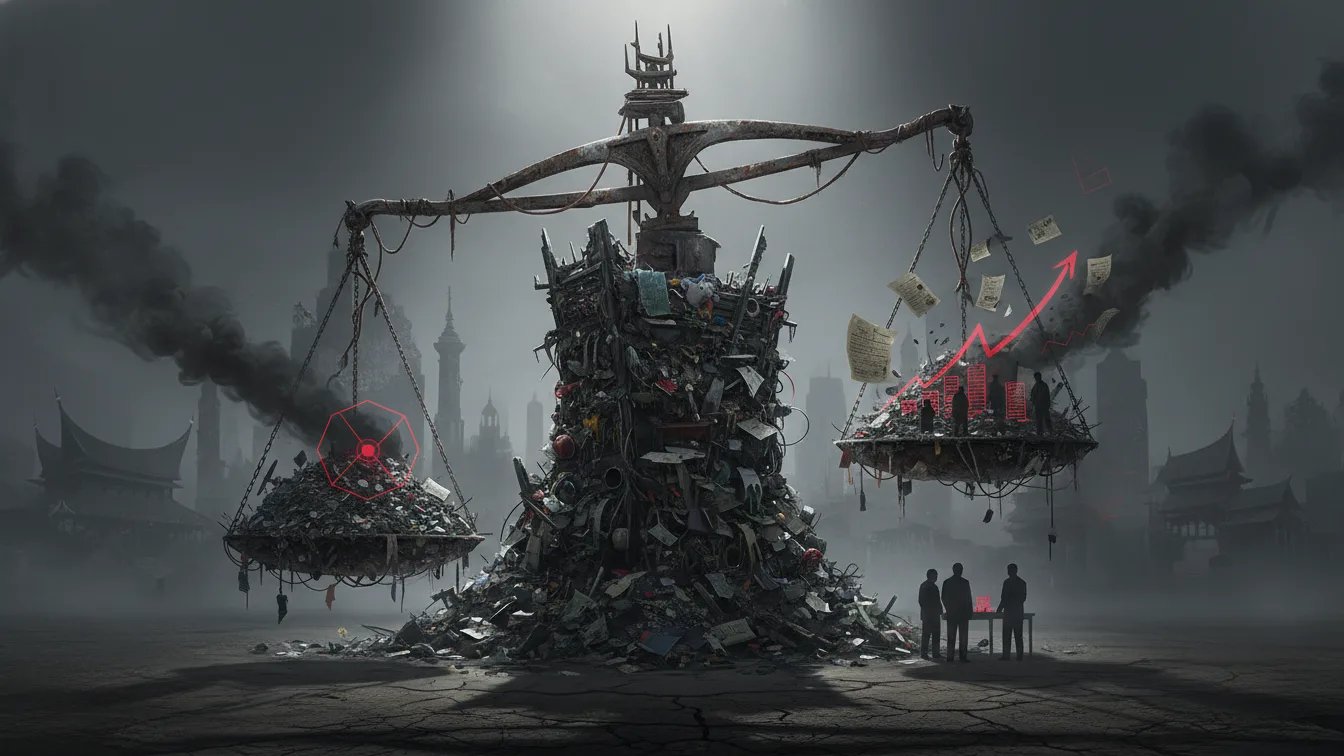
Legal Literacy - The towering piles of garbage as high as a dozen-story building are no longer just a metaphor in Bekasi. The landslide at the Bantargebang landfill some time ago was a loud alarm indicating that our waste management system has long been at its lowest point. With a burden of more than 7,500 tons of waste entering every day, Bantargebang is not just experiencing technical problems with stockpiling, but a systemic governance failure.
The government itself has issued Presidential Regulation Number 109 of 2025 which encourages the acceleration of Waste to Energy (WTE) projects. Narratively, this policy offers a seemingly attractive solution, namely turning environmental burdens into energy assets, ranging from electricity, bioenergy, to alternative fuels.


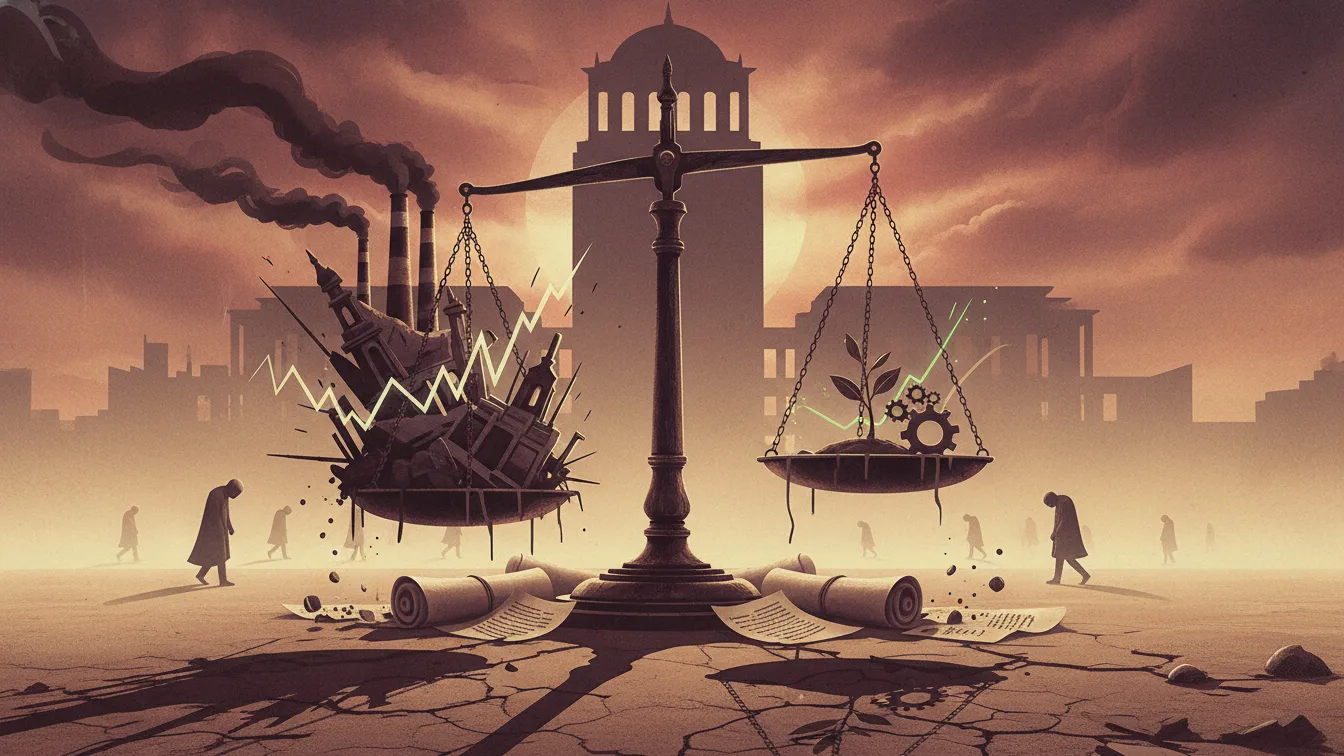
However, behind the promise of energy resilience, lies a worrying paradigm shift, from upstream reduction efforts to merely downstream impact management.
The End-of-Pipe Solution Trap
The fundamental problem with WTE is its position as an end-of-pipe solution. This policy risks maintaining destructive production and consumption patterns because the state's focus is distracted on how to "eliminate" waste that already exists, rather than preventing its occurrence.
As long as the waste production tap upstream is not tightened, no matter how sophisticated the technology, it will not be able to keep up with the rate of waste growth. If we are only busy building processing machines without suppressing the rate of consumption, then we are not actually resolving the crisis.
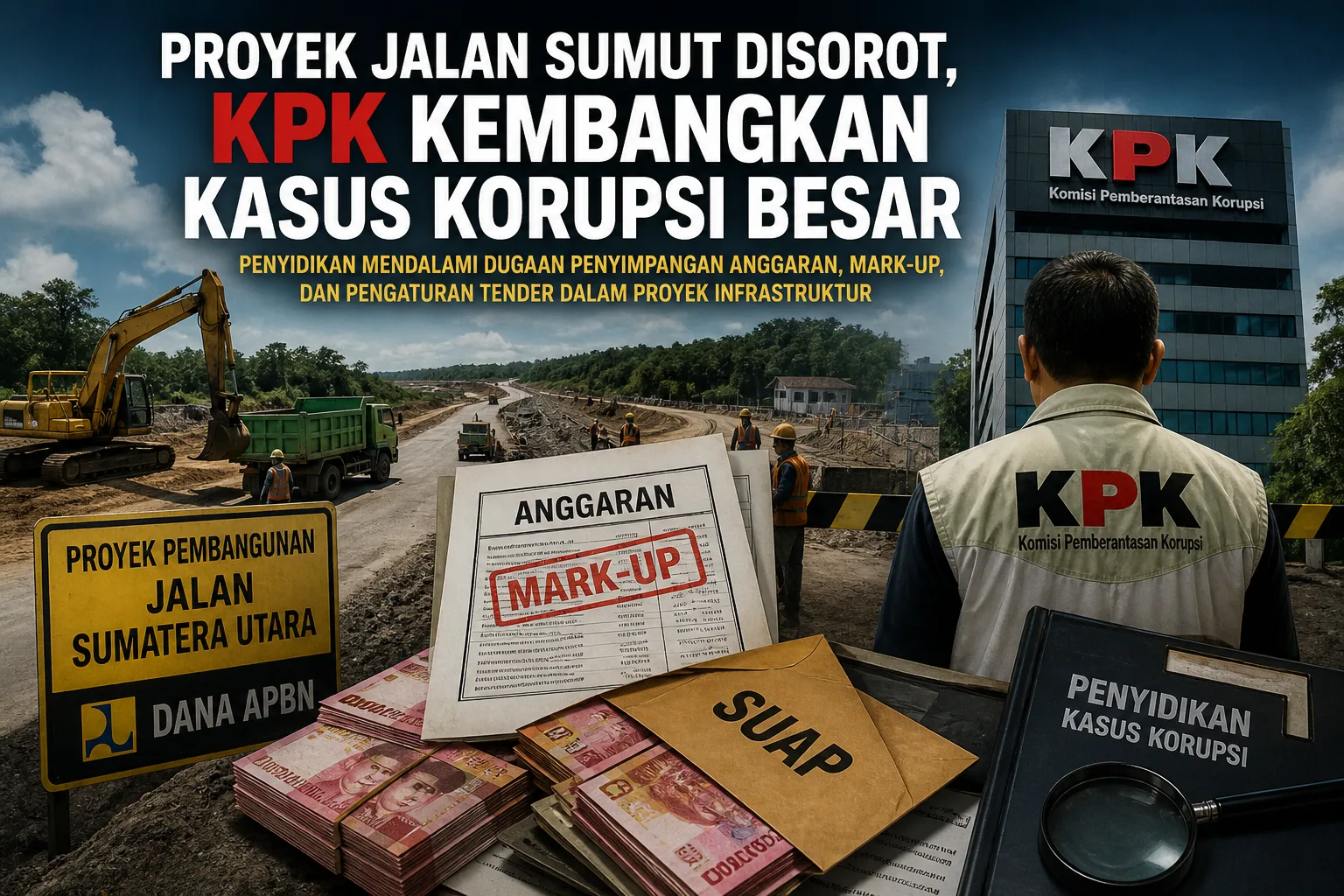
Furthermore, existing regulations tend to "pamper" the acceleration of WTE through various administrative conveniences, but appear very blunt in enforcing waste reduction obligations for producers.
The polluter pays principle and the waste hierarchy, which prioritizes reduce and reuse, seem to be footnotes in the great enthusiasm for waste industrialization. Without strict enforcement of Extended Producer Responsibility, our regulations will only be a red carpet for expensive technologies that can actually be avoided.
Risk of Dependency: When Waste Becomes a "Commodity"
Another risk arises when waste is positioned as a primary energy source. Its existence has the potential to change from something that should be reduced into a "needed" resource to maintain the operational sustainability of the PSE machine. This dependency is feared to provide moral legitimacy for single-use plastic production patterns, under the pretext that the residue will be valuable as fuel.
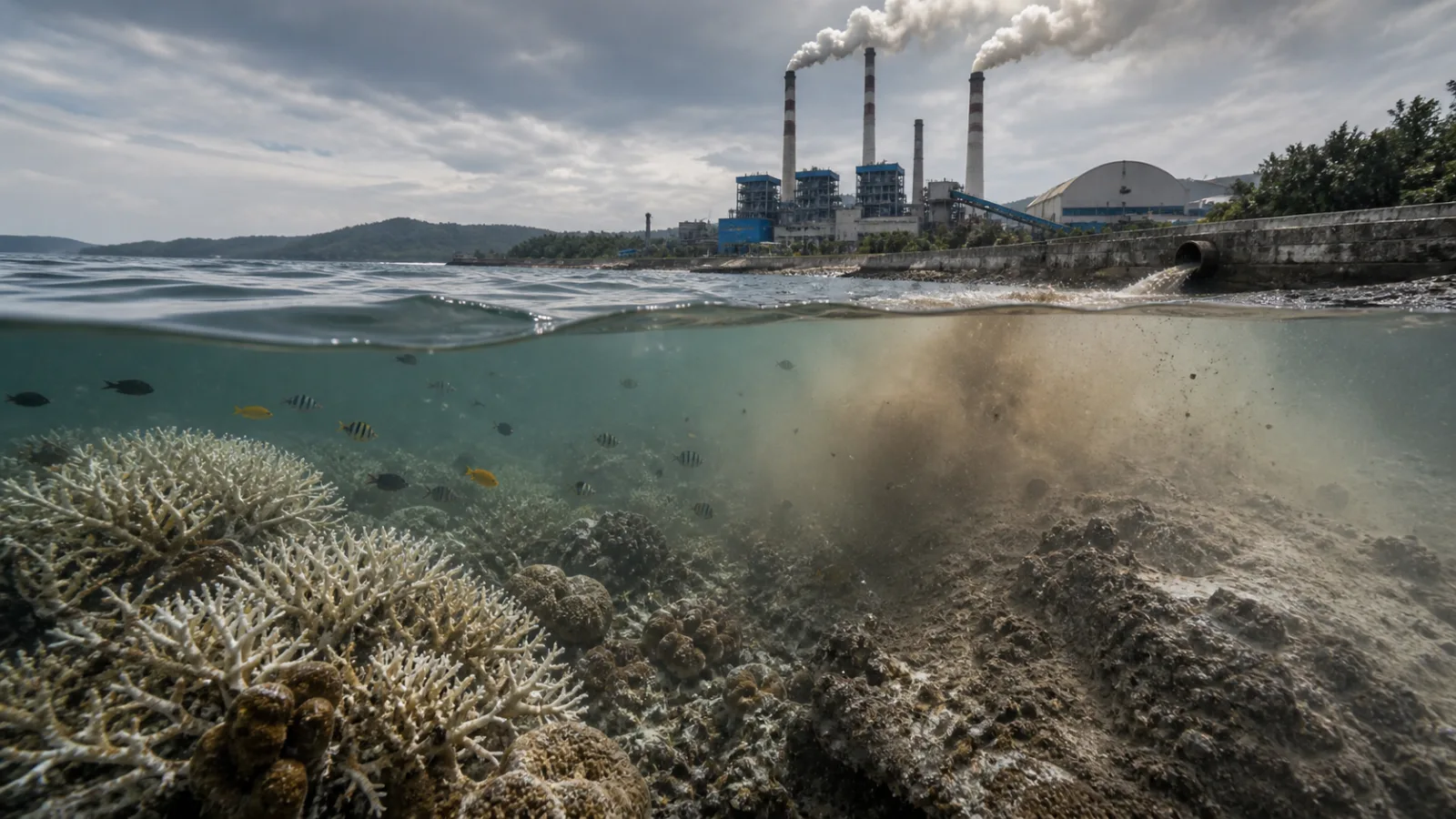
In addition, we must not turn a blind eye to the potential for new environmental impacts, such as combustion residue emissions and toxic residues generated by the energy conversion process. We risk getting caught in a cycle of solving one ecological problem by creating another ecological risk that may be far more complex in the future.
Turning waste into energy may seem like a technically progressive step, but without systematic reduction efforts and the courage to suppress waste production figures upstream, we are not actually moving forward. We are only moving the problem from the piles of soil in Bantargebang to the chimneys of processing plants, while the root of the crisis continues to thrive on our consumption tables.
















Comments
0Share your perspective politely, stay relevant, and focus on the article. Comments appear after moderation.
Join the discussion
Write a clear, polite response that stays on topic.
No comments yet. Be the first to discuss.
Comments will appear after moderation.