
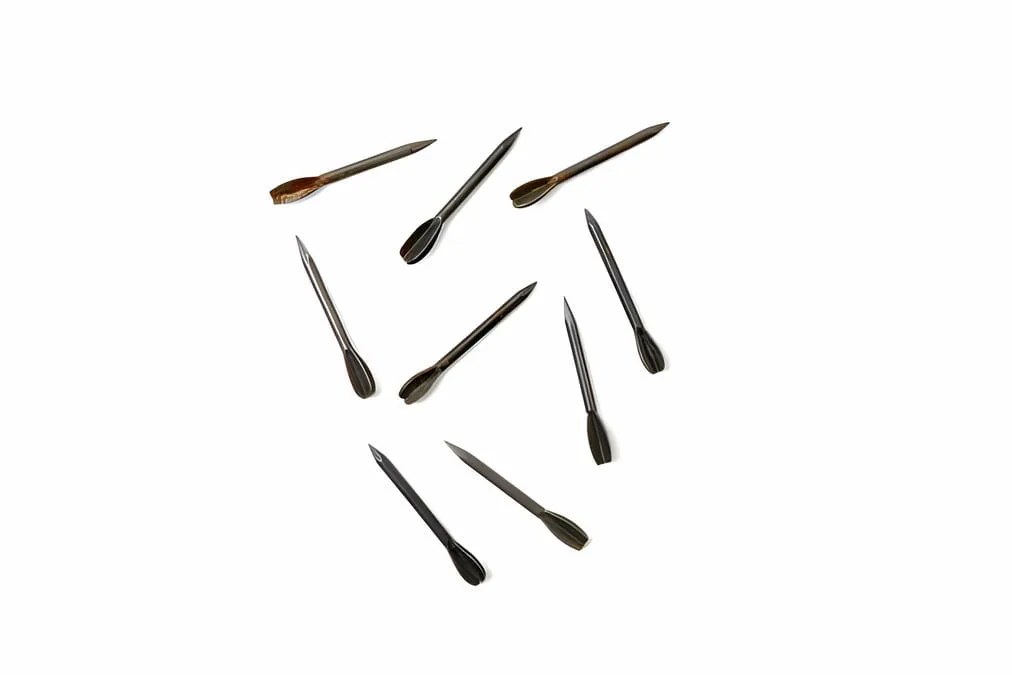
However, of these five weapons, none explicitly or explicitly mentions the use of weapons such as flechettes in combat, nor does any other international convention on the restriction of the use of certain weapons discuss flechettes. It is just that there are at least several provisions that can at any time be used as a basis for the international community to include these weapons as part of the type of weapons that should be prohibited from being used or at least regulated so that they can refer to Article 22 Hague 1907 previously to avoid unnecessary suffering. This is also supported by argument in the writing of an expert at the ICRC named Eric Prokosch, namely:
“It is argued that flechettes go straight through the body without causing much harm and are, therefore, not "inhumane." But if large numbers of flechettes are ejected from a munition, there will be a danger of multiple wounding. If flechettes strike the body with sufficient velocity, they will tumble, causing severe wounds; such high velocities would have been obtained with the flechette rifle, and work was done to accelerate numbers of flechettes with a propellant charge so as to increase their wounding effect.”
Thus, it is appropriate for this weapon to be explicitly incorporated and regulated within the provisions of international humanitarian law in order to uphold the principles of military necessity, humane treatment, and knighthood.


References
- Mahfud, “Humanitarian Regulations Regarding War Armaments Permitted to Be Used by Parties Involved In a Conflict Armed”
- ICRC, “Weapons that may Cause Unnecessary Suffering or have Indiscriminate Effects”
- Eric Prokosch, “Trends in Fragmentation Weapons”
- Convention (IV) respecting the Laws and Customs of War on Land and its annex: Regulations concerning the Laws and Customs of War on Land
- 1980 Convention on Certain Conventional Weapons
*This article represents the personal opinion of the author and does not represent the views of the editors Legal Literacy Indonesia.






















Comments
0Share your perspective politely, stay relevant, and focus on the article. Comments appear after moderation.
Join the discussion
Write a clear, polite response that stays on topic.
No comments yet. Be the first to discuss.
Comments will appear after moderation.