

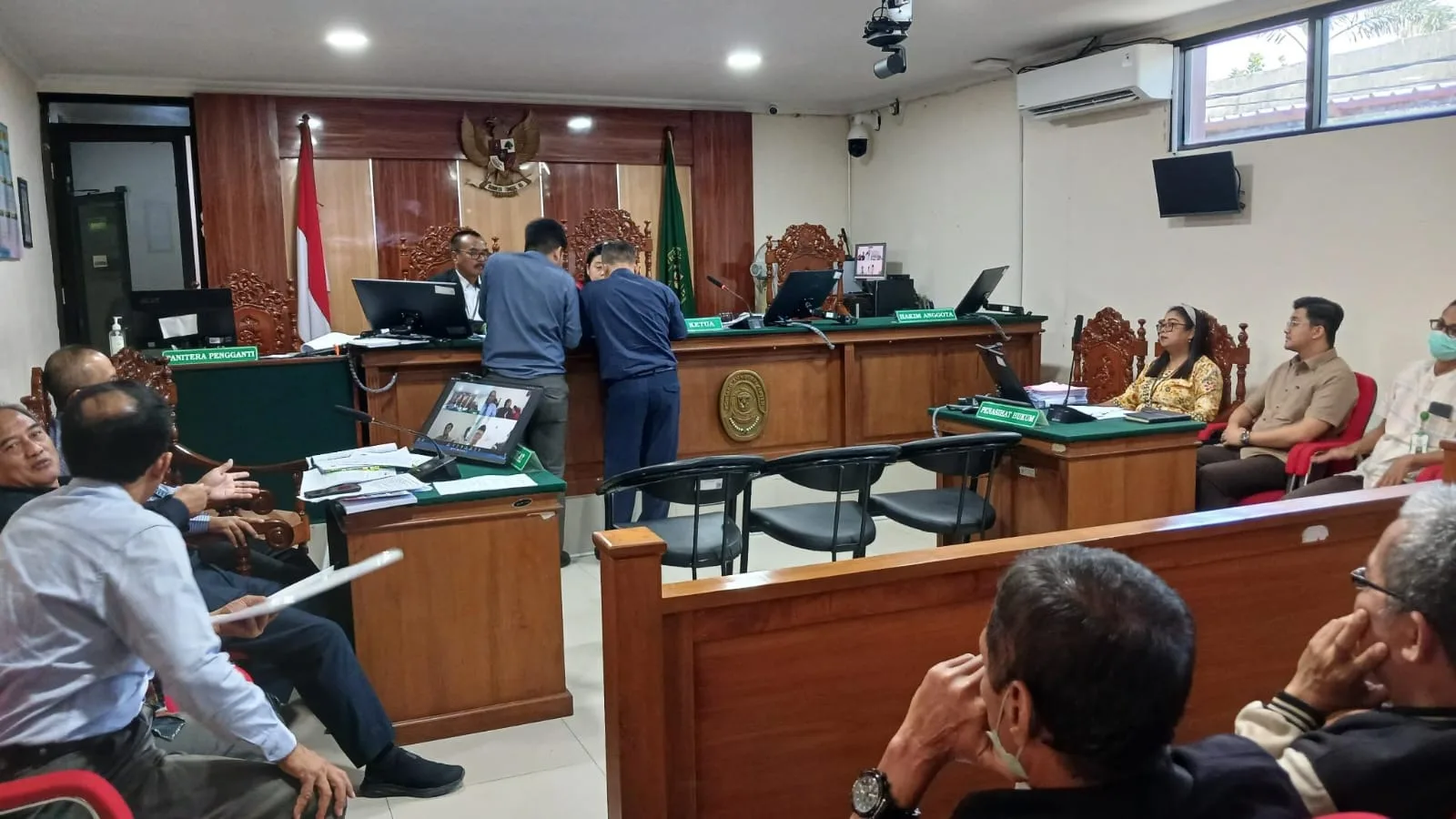
The imposition of an Acquittal and a Release Verdict by a judge on the perpetrator of a criminal act (with the elements of the article charged proven) can be distinguished by considering the existence or absence of a reason for eliminating the crime (Strafuitsluitingsgronden), both those regulated in the law such as justification (example: Article 50 of the Criminal Code) or grounds for excuse (example: Article 44 of the Criminal Code), and those outside the law (for example: the existence of a permit).
In short, here is a table of differences between release and acquittal verdicts in criminal cases:


Conclusion
Although both do not convict the defendant, Release from All Legal Charges and Acquittal have fundamental differences in legal basis and consequences:
1. Legal Basis:
- Release Verdict: Regulated in Article 191 paragraph (2) of the Criminal Procedure Code. Imposed when:
- The act chargedis proven legally and convincingly
- The act isnot a criminal act(for example, including the realm of civil, customary, or commercial law)
- Acquittal: Regulated in Article 191 paragraph (1) of the Criminal Procedure Code. Imposed when:
- Not enough evidenceto prove that the defendant committed the act charged
- The act chargednot proven legally and convincingly
2. Consequences:
- Release Verdict:
- Defendantis not punished
- No rehabilitation(restoration of reputation)
- Can be retriedfor the same case
- Acquittal:
- Defendantis not punished
- There is rehabilitation(restoration of reputation)
- Cannot be retriedfor the same case
3. Analogy:
- Release Verdict:Someone is accused of stealing, but it turns out that they only took their own belongings that were left behind.
- Acquittal:Someone is accused of stealing, but there is not enough evidence to show that they are the perpetrator.






















Comments
0Share your perspective politely, stay relevant, and focus on the article. Comments appear after moderation.
Join the discussion
Write a clear, polite response that stays on topic.
No comments yet. Be the first to discuss.
Comments will appear after moderation.