Absence of Victims and Structure
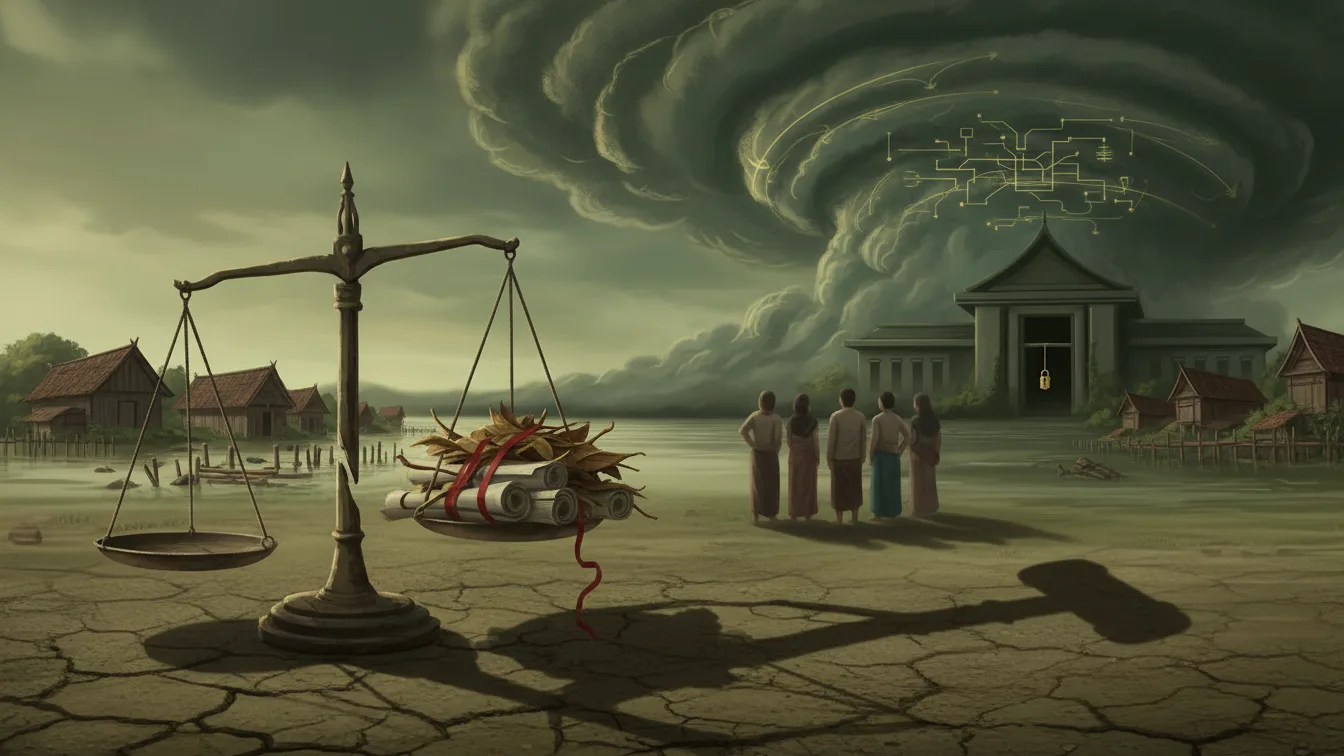
One of the fundamental flaws in this Bill is the disappearance of humans as subjects who must be protected. The law should have partiality, but in this draft, the mechanism of loss and damage, both economic and non-economic such as the loss of culture and biodiversity, is not regulated at all.
The government seems to assume that the massive impact has not yet occurred. In fact, residents in Bedono Village, Demak, have lost their hamlets due to rising sea levels, and residents of Pari Island continue to struggle with tidal floods that damage their water sources and economy. This Bill regulates climate change systemically, but neglects to regulate the fate of the humans who are destroyed by it.


Who Pays?
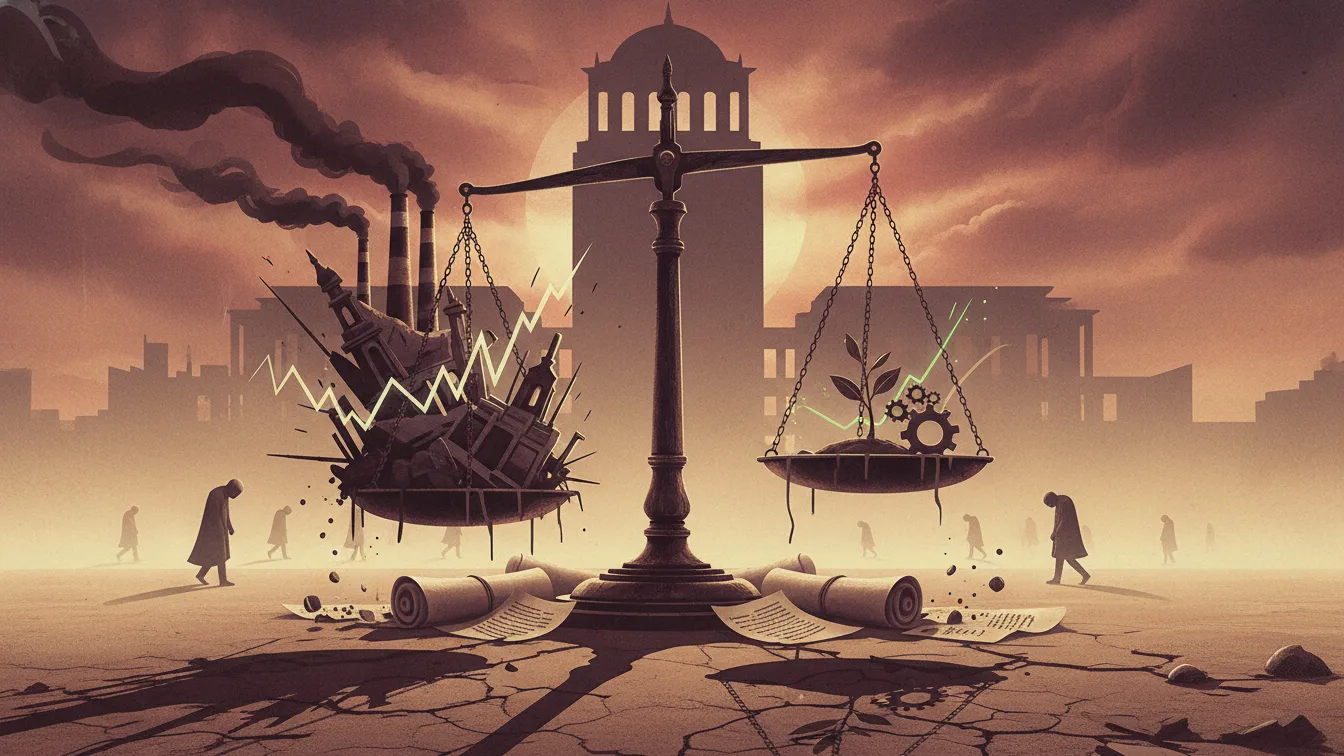
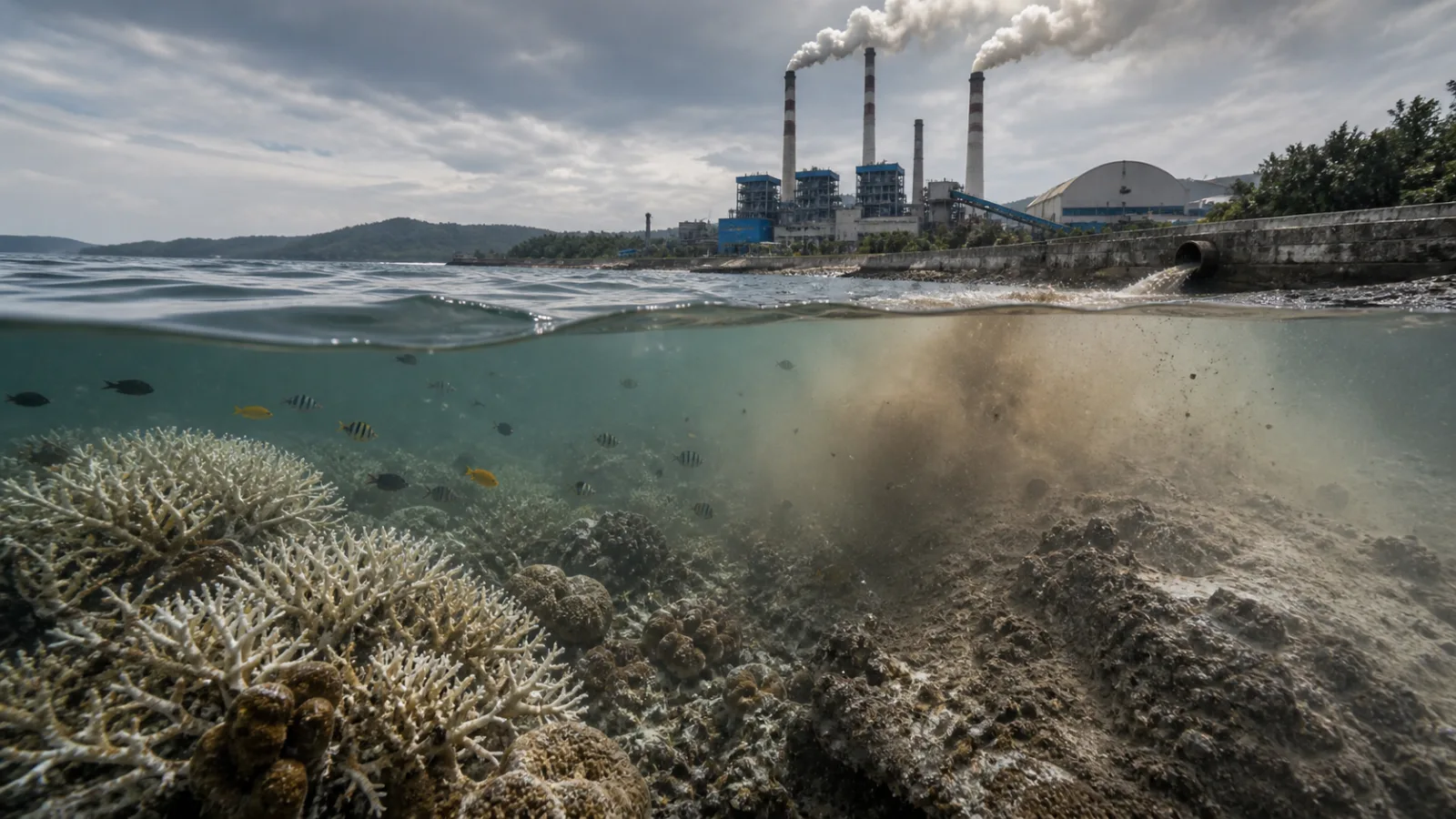
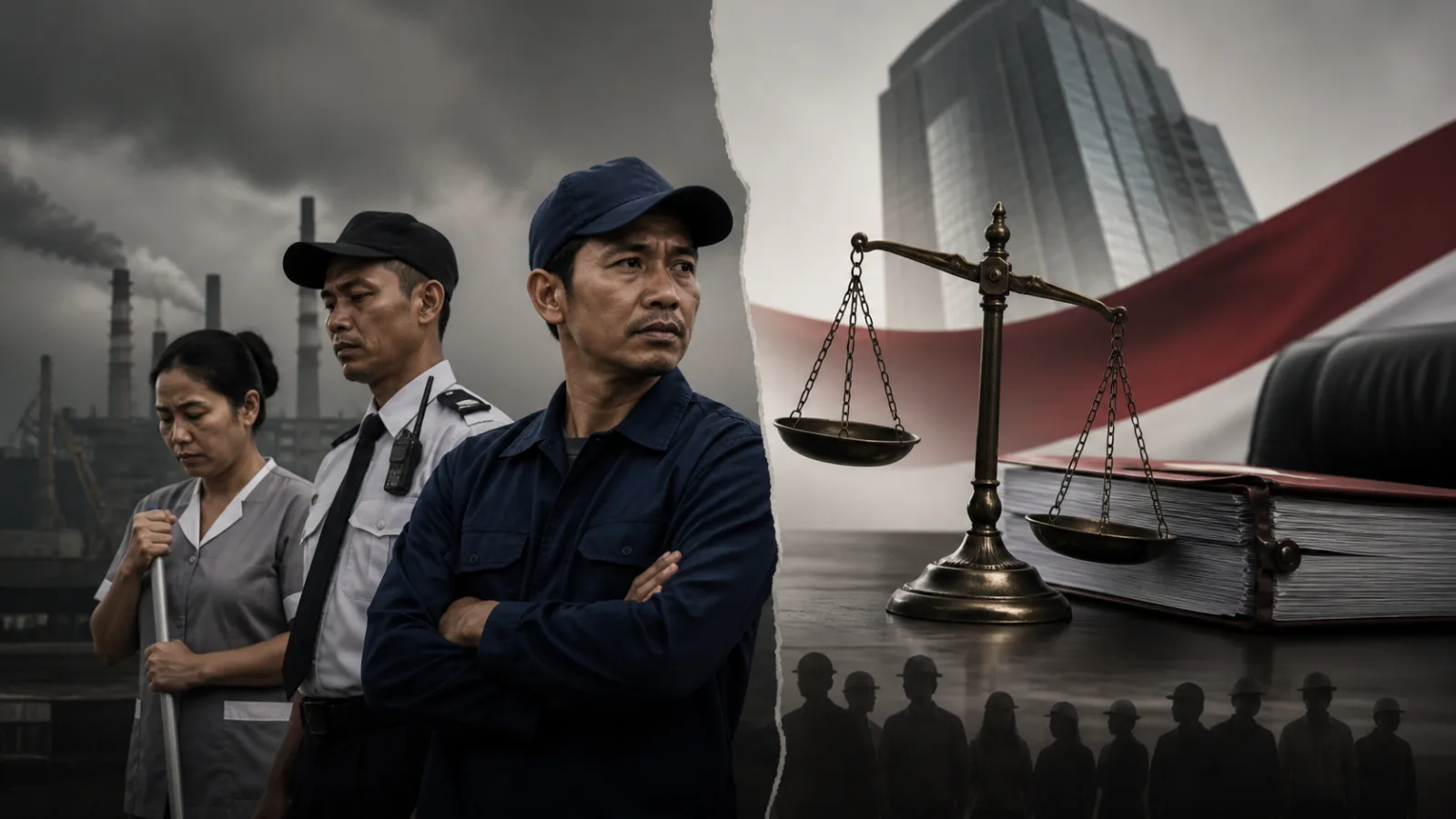
The Climate Change Bill fails to place large emission-producing corporations as the main actors causing the crisis. There is no obligation for corporations to be responsible for their historical emissions, pay compensation for damage and loss, and bear the adaptation costs of affected communities.
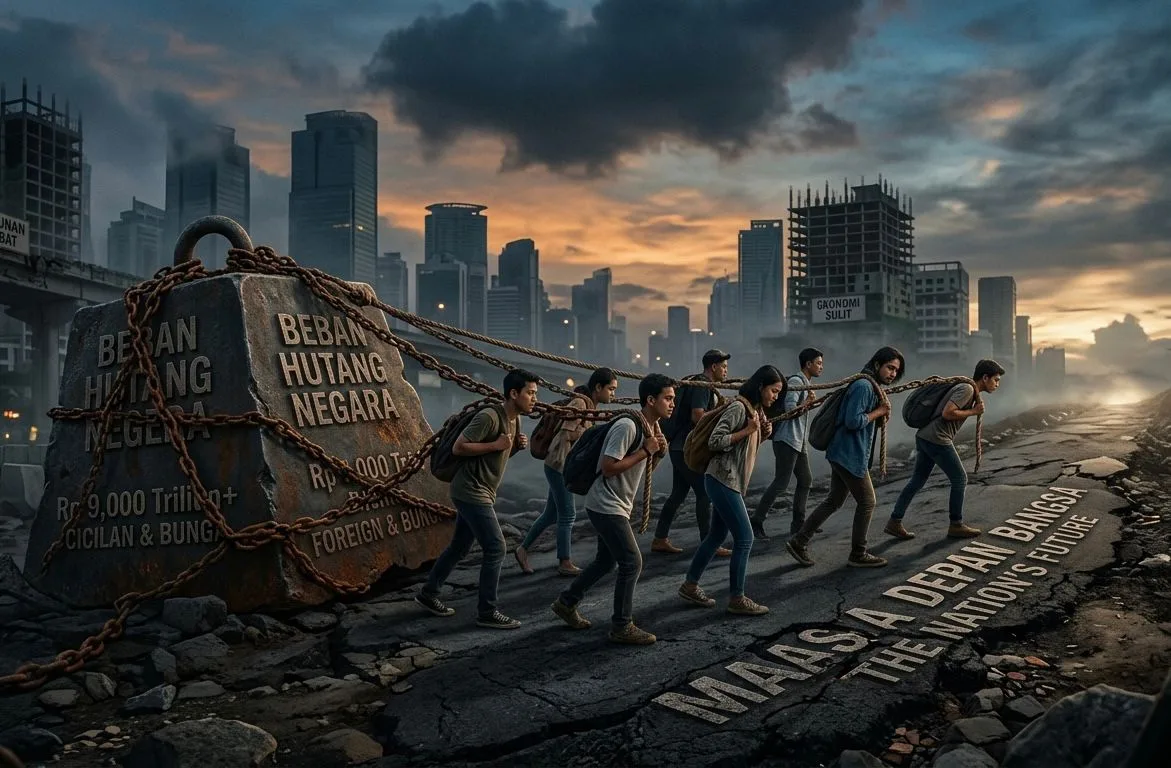
The existing sanctions are only administrative and are left to derivative regulations without any guarantee of a deterrent effect. This is a real form of "privatizing profits and socializing losses", that is, when corporations enjoy profits from the extractive industry, while ordinary people bear the costs of the disaster.













Comments
0Share your perspective politely, stay relevant, and focus on the article. Comments appear after moderation.
Join the discussion
Write a clear, polite response that stays on topic.
No comments yet. Be the first to discuss.
Comments will appear after moderation.