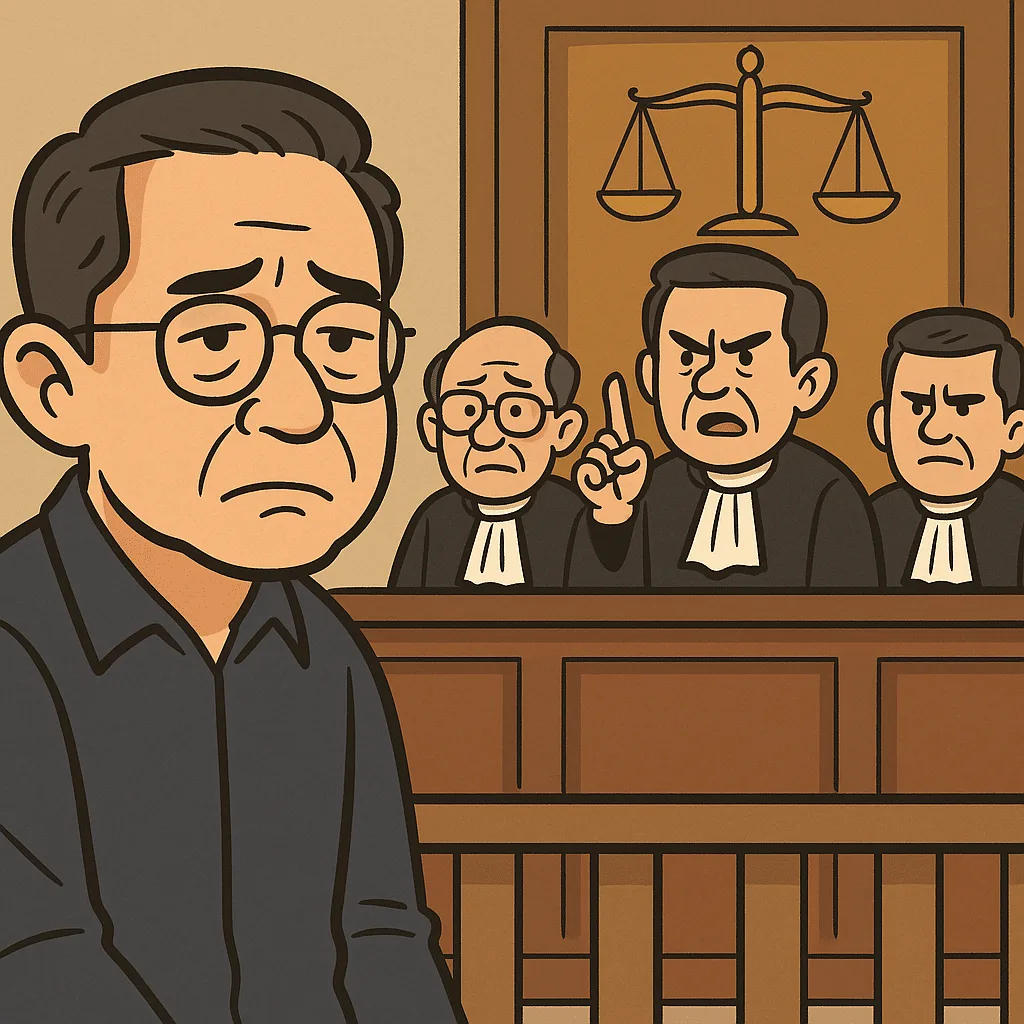
The Irony of the Judge's Verdict
Returning to the facts revealed in court, it was mentioned that President Joko Widodo at that time ordered Tom Lembong as Minister of Trade to import sugar as a response to the deficit or lack of domestic sugar supply. So, in this case, Tom Lembong issued Permendag No 117/M.DAG/PER/12/2015 concerning provisions for sugar imports. In this case, Tom Lembong finally issued a policy to fulfill industrial sugar by importing two types of sugar, namely raw sugar (raw sugar) and refined crystal sugar (refined sugar). As for the Minister of Trade Regulation, it is also mentioned that sugar imports for the second category do not have to go through state-owned enterprises, but can appoint private companies that already have API-P (Producer Importer Identification Number) because the type of sugar imported is not white crystal sugar (plantation white sugar). Import permits for white crystal sugar are specifically for state-owned enterprises because the sugar is intended to meet household needs. However, coarse and refined sugar are traded exclusively for industry, not for the general public. Therefore, it is questionable why the Judge sentenced Tom Lembong to corruption charges when there were no articles or rules violated, and there was no strong and valid evidence of fund flows or profits from the sugar import licensing process to private companies that benefited Tom personally. It sets a very bad precedent for economic actors if simply granting import access to private companies is considered a form of corruption and accused of being capitalist and contrary to the Pancasila economy. In fact, the Indonesian economic system does not operate on the basis of the Pancasila economy, and does not even have any characteristics at all. It is strange for a Judge to accuse someone on such considerations, because we have not finished defining what the Pancasila economy is and how it is practiced so that it can put people in jail.






















Comments
0Share your perspective politely, stay relevant, and focus on the article. Comments appear after moderation.
Join the discussion
Write a clear, polite response that stays on topic.
No comments yet. Be the first to discuss.
Comments will appear after moderation.