

Testimony from witnesses, experts, and the defendant can fill in important parts of the evidentiary narrative.
Example of Expert Testimony:
- Contoh Kesaksian Ahli: In cases of domestic violence, a clinical psychologist can be presented as an expert. Their testimony regarding the defendant's psychological condition or behavioral patterns can help the judge understand the mental state underlying the violence, while also refuting claims of "spontaneous actions without intent to harm."
4. Documents and Digital Evidence as "Written Confessions"
In the digital age, traces of online activity are a goldmine for proving intent.


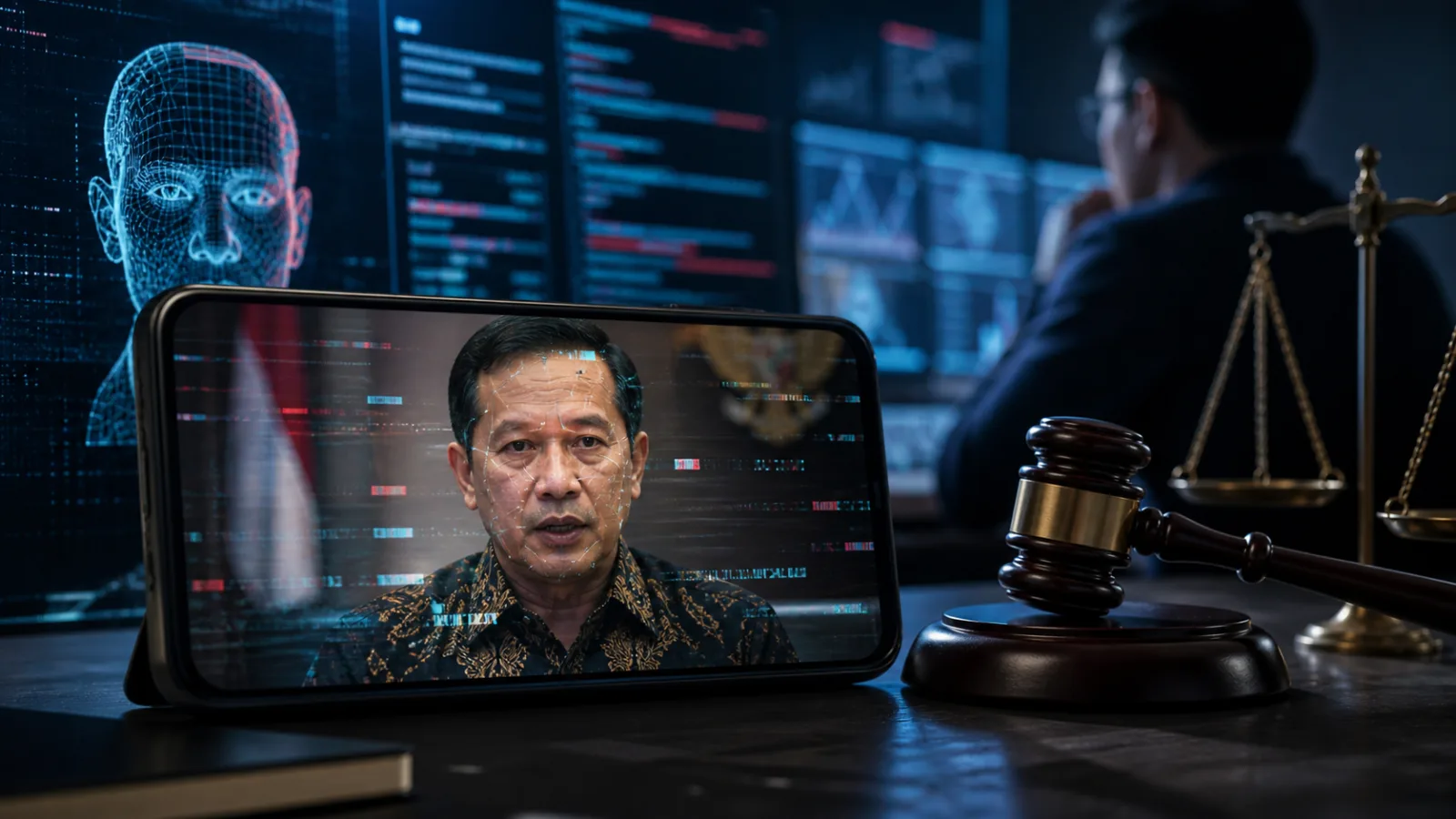
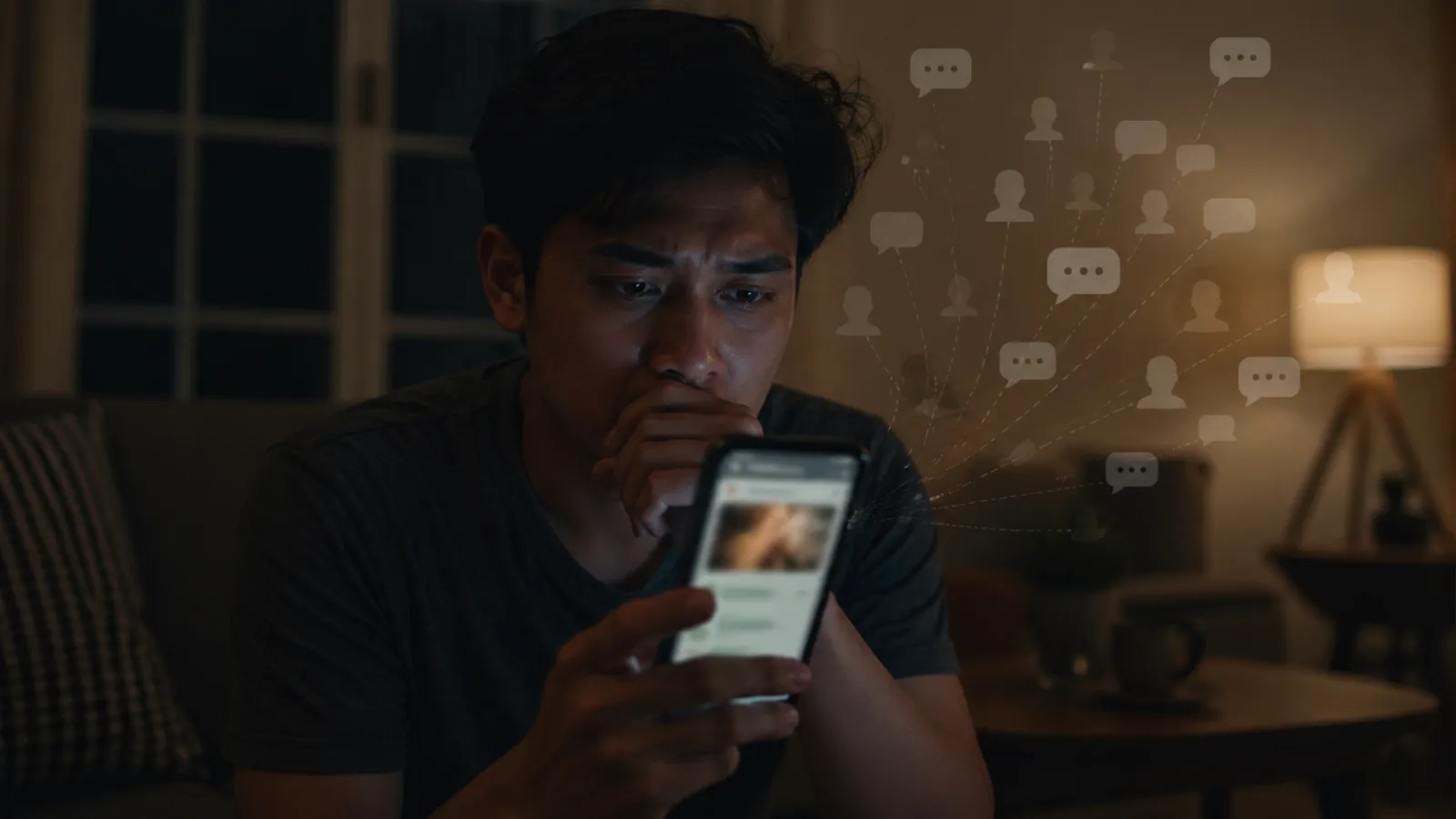
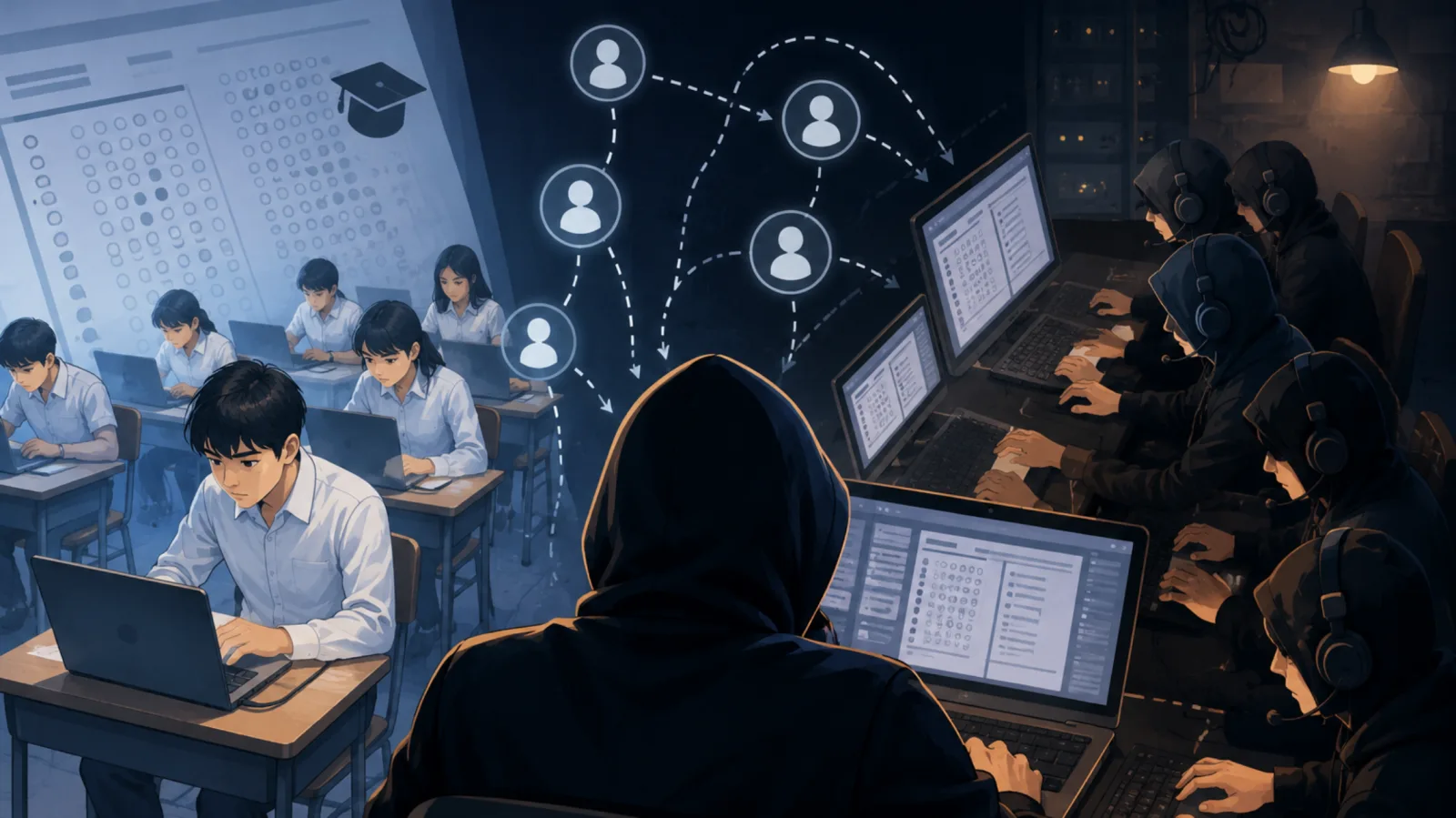
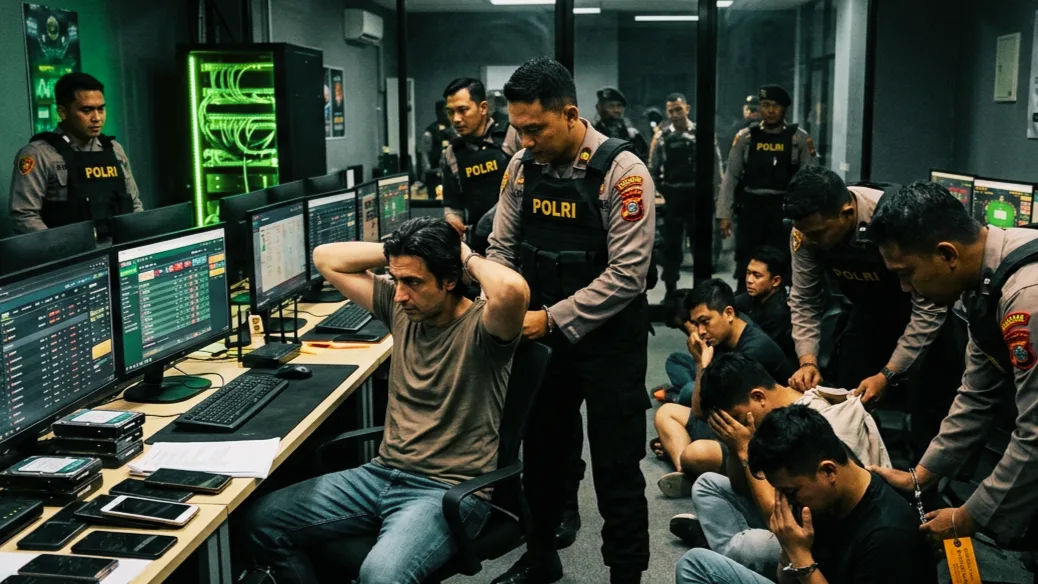
- Examples of Digital Evidence: In cases of spreading false news (hoaxes), a digital forensics team can recover drafts of provocative narratives from the defendant's computer. Conversations were also found in online groups where the defendant discussed how to spread content to make it viral and trigger unrest. This evidence clearly shows a conscious intention to create chaos.
Conclusion: A Logical Reconstruction
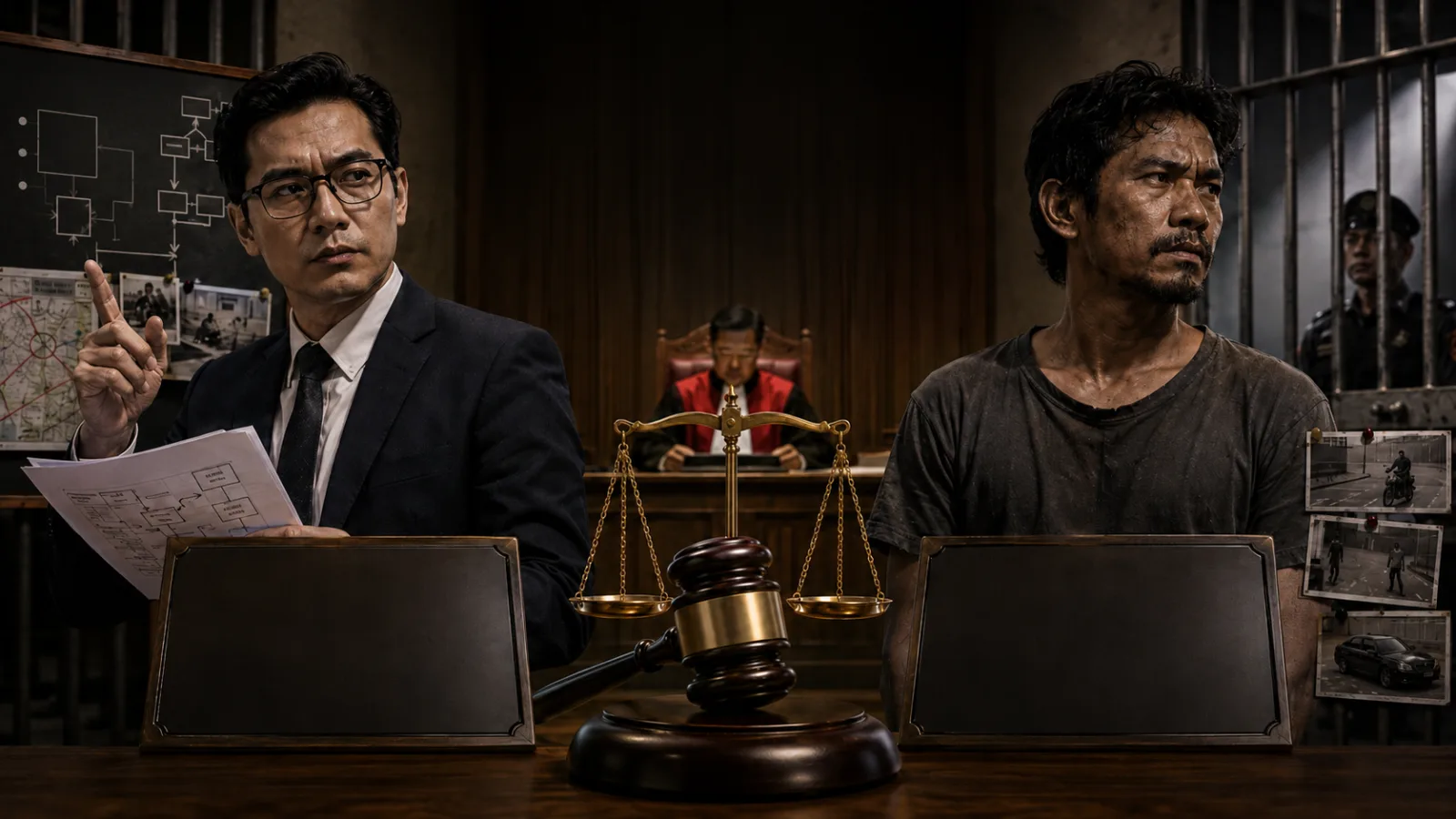
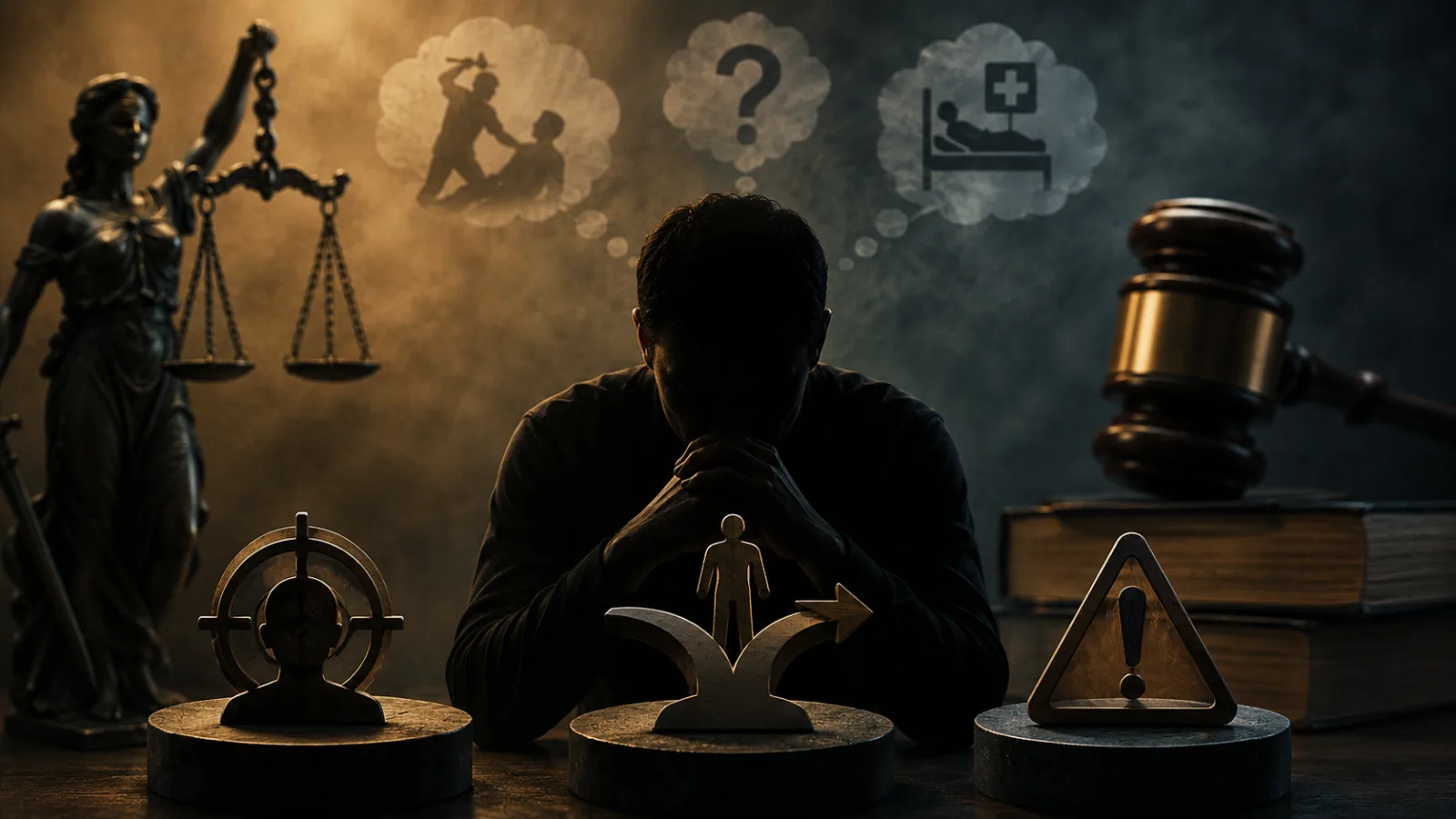
Ultimately, proving mens rea is about presenting a logical reconstruction before the judge. It's not about finding one "ultimate proof," but rather building a solid and layered argument from various pieces of evidence that reinforce each other. The prosecutor must be able to show that from all the facts revealed, the only reasonable conclusion is that the defendant has a mental attitude or malicious intent that is prohibited by law. Understanding this process shows that criminal law not only judges actions, but also considers the underlying mental fault, a fundamental pillar of justice.
















Comments
0Share your perspective politely, stay relevant, and focus on the article. Comments appear after moderation.
Join the discussion
Write a clear, polite response that stays on topic.
No comments yet. Be the first to discuss.
Comments will appear after moderation.