Pendahuluan
Literasi Hukum- Dalam beberapa tahun terakhir, dunia tengah menyaksikan transformasi besar dalam sistem keuangan global melalui kehadiran mata uang digital yang terdesentralisasi. Hal itu awal mula dipelopori oleh mata uang digital yang disebut
Bitcoin. Dalam ekosistem
peer to peer (p2p) yang terdesentralisasi dan tidak teregulasi hambatan utama untuk membuat mata uang digital adalah
trust disebut juga
The Byzantine General’s Problem.
[1]sebagai contoh bagaimana kita bisa mempercayai suatu sistem yang tidak teregulasi dapat bekerja dengan baik tanpa adanya
error atau
fraudsehingga dapat menciptakan
trust terhadap
useryang menggunakan sistem tersebut, Hadirnya regulator melakukan regulasi bukan hanya membuat aturan tapi juga sebagai pengawas dalam kegiatan komersial agar supaya kegiatan tersebut bisa dilakukan dengan adil dan teratur, sehingga melindungi kepentingan konsumen atau pelaku usaha yang menjalankan sistem tersebut. Kehadiran
Bitcoindi tahun 2009 melalui publikasi
research paperyang berjudul
Bitcoin: A peer to peer electronic cash system yang ditulis oleh orang dengan nama samaran Satoshi Nakamoto.
[2]Bitcoinsendiri diciptakan dengan teknologi yang bernama
Blockchainmenggunakan teknologi kriptografi untuk dapat menyimpan nilai di dalam blok data dan distribusikan ke dalam ekosistem yang mana setiap input data ke dalam blok akan diverifikasi oleh semua
minersehingga data yang ada di dalam blok transparan dan dapat dipertanggungjawabkan, Skema tersebut mampu membangun kepercayaan di kalangan masyarakat bahwa sistem yang beroperasi tanpa regulasi pun dapat berjalan secara transparan dan menjalankan fungsi ekonomi layaknya sistem perbankan konvensional yang diawasi oleh regulator.
[3]Hal ini terbukti melalui kemunculan berbagai aktivitas keuangan terdesentralisasi
Decentralized Finance(DeFi) per juli 2025 ukuran pasar DeFi sekitar 139,74 miliar USD.
[4]serta proses tokenisasi terhadap aset dunia nyata (
real-world assets), seperti Surat Utang Negara dan instrumen keuangan lainnya, Menurut laporan
McKinsey & Companypada musim panas 2024, produk keuangan yang paling berpotensi untuk ditokenisasi pada tahun 2030 adalah uang tunai dan simpanan, obligasi, pinjaman, serta reksa dana berbentuk ETF. Perkiraan ini disusun berdasarkan data dari berbagai sumber untuk memproyeksikan seberapa besar pasar tokenisasi aset dunia nyata (
real-world asset) dan jenis produk keuangan apa yang paling mungkin mengadopsinya. Sejak 2024, topik tokenisasi di
blockchainmendapat perhatian luas, meskipun estimasi nilai pasarnya sangat bervariasi antar sumber, seiring industri keuangan mencari cara untuk meningkatkan teknologi dan merespons tekanan regulasi yang terus meningkat.
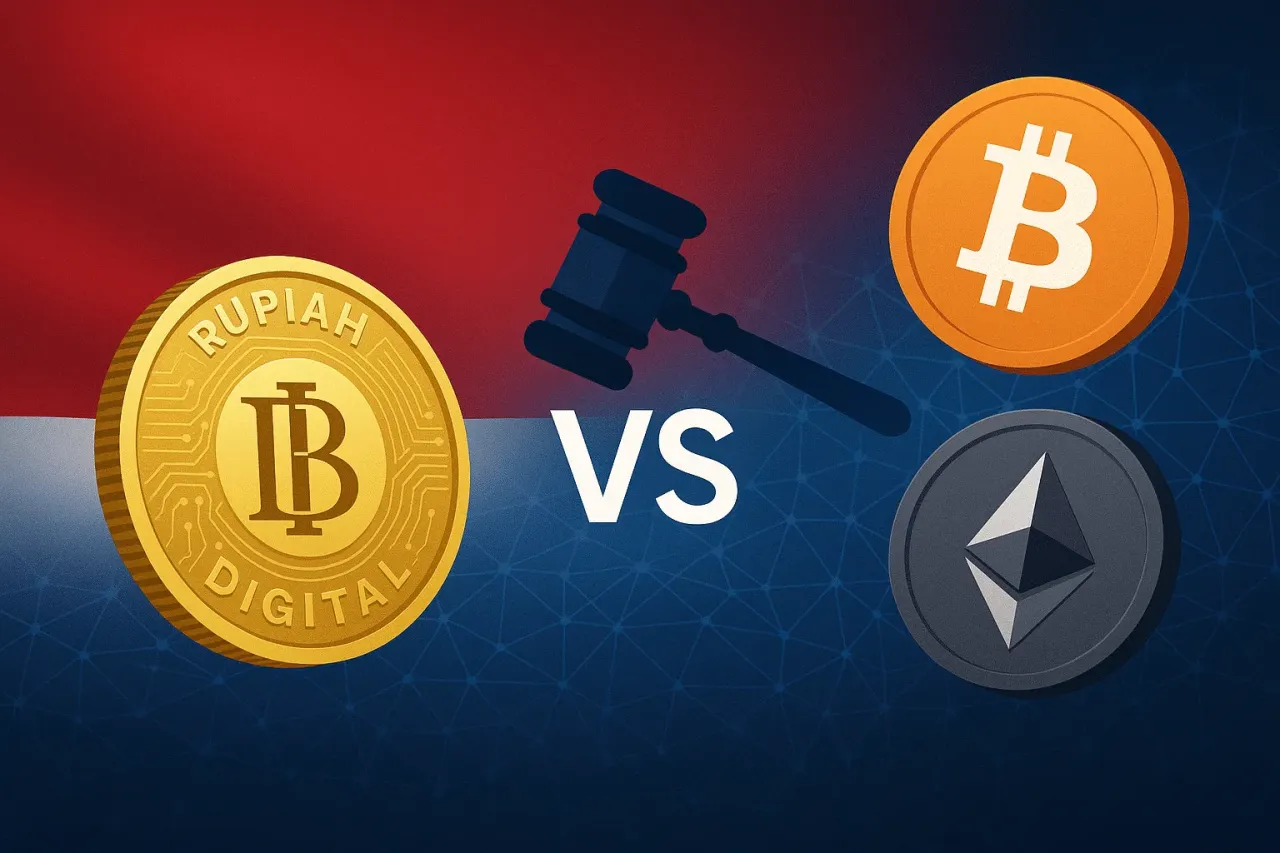
[5]Perkembangan teknologi blockchain yang menawarkan sistem moneter melalui mata uang digital terdesentralisasi dan tidak teregulasi mendorong bank sentral untuk merespons dengan menerbitkan Central Bank Digital Currency (CBDC). CBDC merupakan mata uang digital resmi yang dikeluarkan oleh bank sentral dan berada di bawah regulasi pemerintah.
[6]Berdasarkan penelitian Heitmann dkk., peluncuran CBDC secara signifikan meningkatkan stabilitas keuangan bank di negara berkembang melalui peningkatan inklusi keuangan dan efisiensi sistem pembayaran.
[7]Indonesia menjadi salah satu negara yang aktif mengembangkan CBDC melalui inisiatif Bank Indonesia bertajuk Proyek Garuda: Menavigasi Arsitektur
Rupiah Digital. Proyek ini dirancang untuk mengeksplorasi penerbitan Rupiah Digital dengan pendekatan berbasis
Distributed Ledger Technology(DLT) dan infrastruktur tersentralisasi.
[8]Di Indonesia, Bank Indonesia mengembangkan inisiatif Proyek Garuda untuk mengeksplorasi penerbitan Rupiah Digital berbasis Distributed Ledger Technology (DLT) dan sistem terpusat. Laporan Proof of Concept (PoC) terbaru menunjukkan bahwa penggunaan DLT dinilai layak dan aman dalam pengembangan Rupiah Digital, menjadikan Proyek Garuda sebagai langkah awal penting menuju sistem keuangan yang modern dan inklusif.







Komentar
0Bagikan perspektif Anda secara sopan, relevan, dan fokus pada isi artikel. Komentar tampil setelah moderasi.
Ikut berdiskusi