
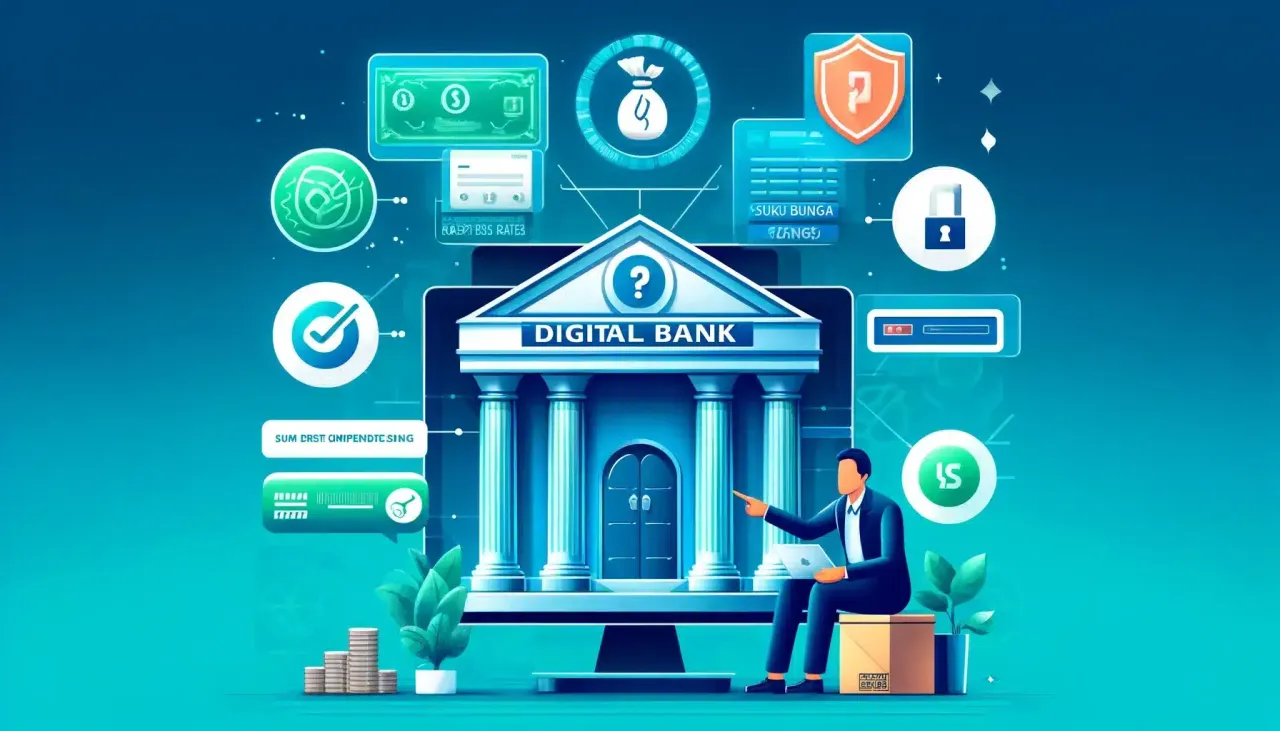
Literasi Hukum - Artikel ini membahas tentang Bank Digital dan tanggung jawabnya terhadap nasabah, khususnya terkait suku bunga simpanan.
Bank Digital
Kemajuan teknologi saat ini memberi kemudahan bagi masyarakat untuk berkegiatan. Perkembangan Teknologi pada sistem keuangan menciptakan transaksi keuangan yang mudah dan praktis bagi masyarakat. Hal tesebut tampak dengan adanya bank digital dalam sektor perbankan. Bank Digital memiliki banyak manfaat terhadap kehidupan manusia dimana memiliki sifat yang efektif, efisien, dan pelayanan Perbankan yang optimal.


Fungsi utama Perbankan adalah sebagai penghimpun dan penyalur dana kepada masyarakat serta bertujuan untuk mendukung pelaksanaan pembangunan nasional dalam rangka meningkatkan pemerataan pembangunan, pertumbuhan ekonomi dan stabilitas nasional. Perbankan dituntut beradaptasi terhadap perubahan zaman saat ini pada era digitalisasi. Salah satu bentuk adaptasi hal tersebut adalah Bank Digital.
Menurut Peraturan Otoritas Jasa Keuangan Republik Indonesia Nomor 12/POJK.03/2021 tentang Bank Umum, Bank Digital merupakan Bank Berbadan Hukum Indonesia (BHI) yang menyediakan dan menjalankan kegiatan usaha terutama melalui saluran elektronik tanpa kantor fisik selain kantor pusat atau menggunakan kantor fisik yang terbatas dan dapat diterapkan dengan cara pendirian Bank BHI baru sebagai Bank Digital maupun transformasi dari Bank BHI yang sudah ada menjadi Bank Digital.
Salah satu bentuk eksistensi Bank Digital adalah dengan pemberian bunga simpanan dengan skala yang relatif besar. Pada Pasal 4 Undang-Undang Nomor 24 Tahun 2004 tentang Lembaga Penjamin Simpanan telah ditentukan bahwa adanya kewajiban kepada seluruh kegiatan usaha perusahaan perbankan yang dilaksanakan di Indonesia menjadi peserta penjaminan melalui Lembaga Penjamin Simpanan (LPS).
Kewajiban tersebut ditujukan agar ketika suatu bank telah gagal dalam menjamin simpanan nasabah, maka uang tersebut akan dialihkan menjadi pertanggungjawaban LPS.
Sesuai ketentuan PENG-7/DSPS Tahun 2023 Tentang Penetapan Tingkat Bunga Penjaminan Untuk Simpanan Di Bank Umum, apabila suku bunga simpanan yang diperjanjikan antara Bank Digital dengan nasabah penyimpan melebihi tingkat bunga penjaminan simpanan, maka simpanan nasabah yang dimaksud menjadi tidak dijamin. Namun ditemukan, tidak semua Bank Digital Indonesia mematuhi ketentuan LPS terkait tingkat bunga penjaminan simpanan dan memilih untuk menjanjikan pemberian bunga yang lebih besar dari batas yang ditentukan oleh LPS.
Hal tersebut dapat menimbulkan dampak buruk ketika Bank Digital mengalami likuidasi dimana mengakibatkan tidak adanya jaminan terhadap dana nasabah. Maka dari itu, diperlukan tanggung jawab Perbankan Digital terhadap Nasabah atas Suku Bunga Simpanan yang melebihi ketentuan yang Berlaku pada LPS yang bertujuan untuk mempertahankan kepercayaan masyarakat terhadap bank sekaligus mempertahankan eksistensi Perbankan Digital di Indonesia.









Komentar
0Bagikan perspektif Anda secara sopan, relevan, dan fokus pada isi artikel. Komentar tampil setelah moderasi.
Ikut berdiskusi