Between Tom Lembong and Budi Arie: Like Cinderella and a Wolf in Sheep's Clothing

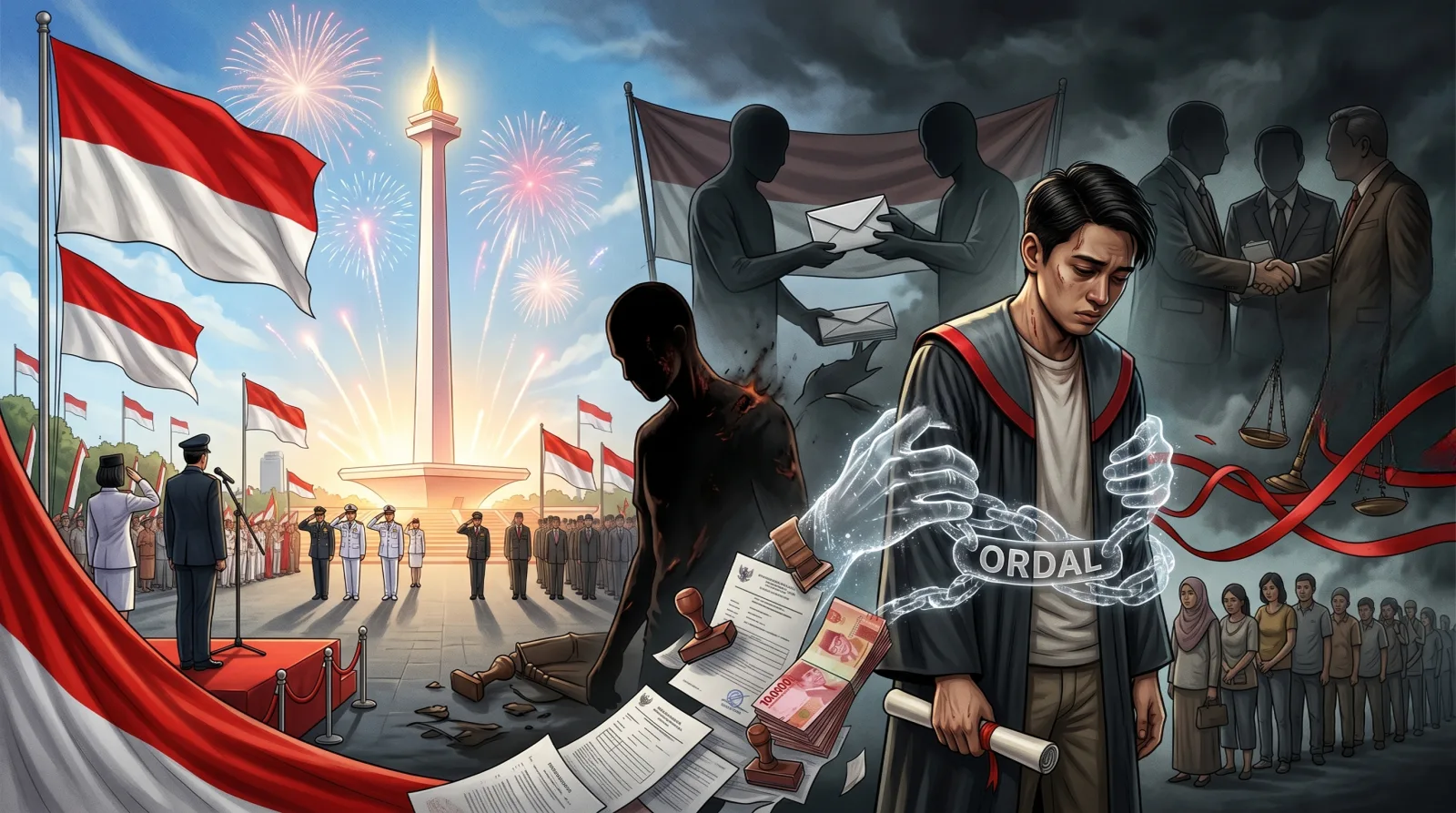
Through the allegory of Cinderella and a wolf in sheep's clothing, this writing criticizes double standards in law enforcement and political loyalty.

Opinion Note
This opinion article was written by a contributor/columnist. The views expressed are entirely the responsibility of the author and do not necessarily represent the views of the editors.
CONTRIBUTOR PROGRAM
You can become a columnist at Legal Literacy.
Submit your legal opinion/analysis writing. If it is published, you have the opportunity to obtain a payout/honorarium in accordance with the provisions.
Section 2/2: Epilogue: When Justice is Tried and Power Judges
compliance) is more valuable than truth. He appears calm, speaks in the jargon of digitalization, and maintains the rhythm so as not to disturb the elite consensus. His loyalty is wrapped in the language of work programs, and therefore, he seems "safe".
Thus, a logic is seen working beneath the surface: violations of ethics and potential violations of the law can be negotiated, as long as they do not threaten political stability. Conversely, moral rebellion—especially when voiced openly—is considered a subversive threat that cannot be tolerated.
Contributor
Support
• Indonesian Legal Literacy
Read more comfortably, while supporting literacy.
Join Membership or submit your article for publication.
Membership
Read without ads, focus more, and access premium features.
Submit Article
Submit your writing—we curate and help publish it. If it is published, you have the opportunity to earn points/payouts according to the terms.



















Comments
0Share your perspective politely, stay relevant, and focus on the article. Comments appear after moderation.
Join the discussion
Write a clear, polite response that stays on topic.
No comments yet. Be the first to discuss.
Comments will appear after moderation.