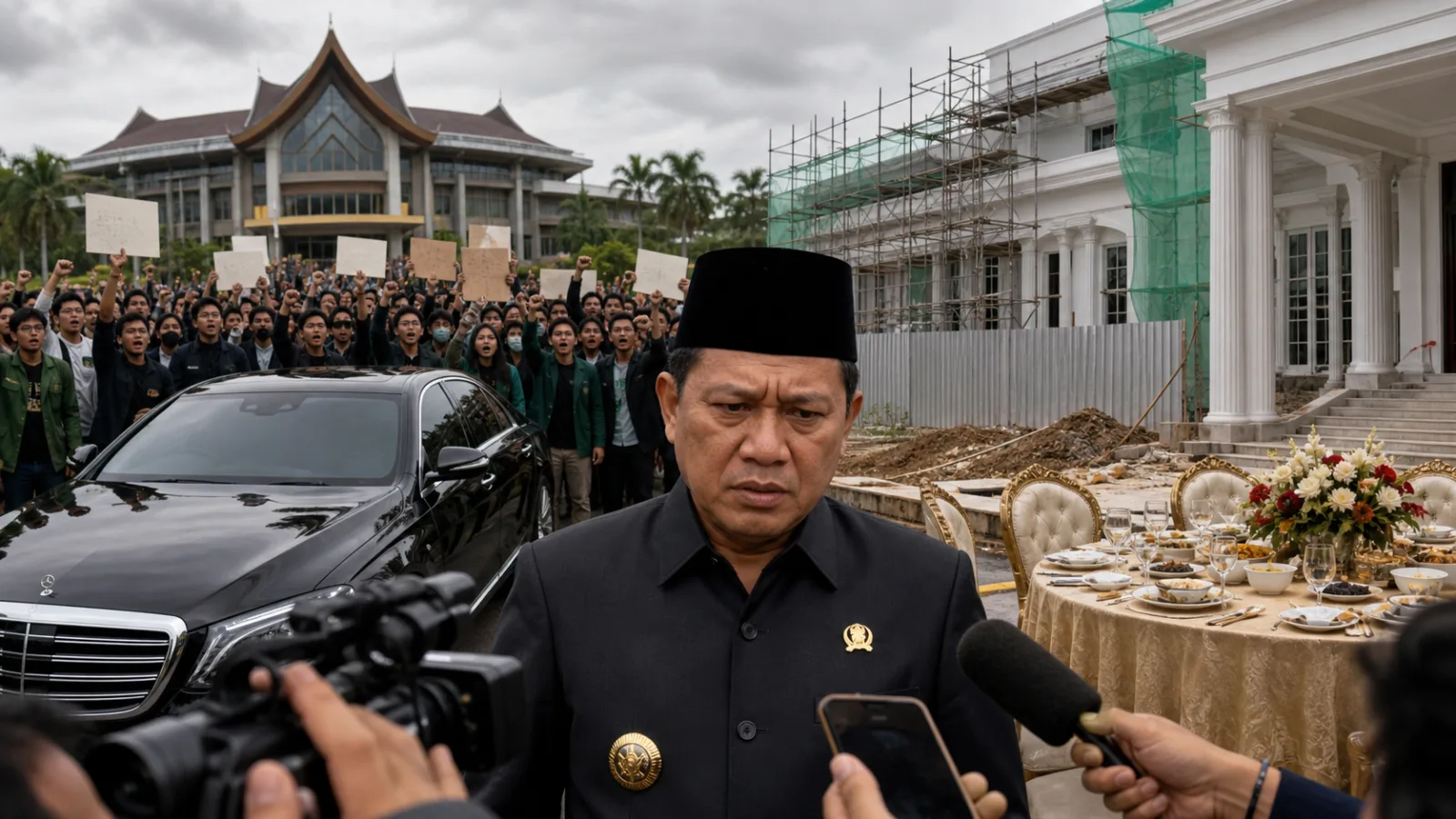
Legal Literacy- Indonesia was once again shaken by a wave of demonstrations in August 2025. Thousands of people took to the streets to voice their rejection of various government and
DPRpolicies. However, instead of proceeding peacefully, a number of actions ended in chaos: clashes between officers and demonstrators, burning of public facilities, and even casualties.
In the midst of this heated situation, shocking news also emerged: several celebrities were offered payments of up to
Rp150 jutato become
buzzerswho provoke public opinion regarding the demonstrations. This phenomenon raises a big question:
“Is this riot purely the voice of the people, or is there a big scenario behind the scenes?”
Constitutional Right to Express Opinions
Indonesia guarantees the right of citizens to speak. The basis is clear:
- Pasal 28E ayat (3) UUD 1945: “Everyone has the right to freedom of association, assembly and expression of opinion.”
- UU No. 9 Tahun 1998 concerning Freedom of Expression in Public.
However, this right is not without limits.
UU 9/1998regulates the obligation to notify, the prohibition of carrying weapons, and the obligation to maintain order and respect the rights of others.
From Peaceful Demos to Riots: What Happened?
Riotous demos are not just a matter of mass aspirations, but also a war of opinions and information.
1. Provocateurs in the FieldPolice secured dozens of people in Pati and Surabaya who were suspected of being provocateurs. They provoked clashes, threw stones, and damaged public facilities.
Article 160 of the Criminal Code:
"Anyone who publicly incites the commission of a crime, opposes the authorities, or disobeys the law shall be punished with imprisonment for a maximum of 6 years."
2. Alleged Role of Undercover IntelligenceThe viral video of civilians carrying firearms in the middle of the Surabaya demo raises suspicions of intelligence officers deliberately provoking. Although there is no definite evidence, this issue reinforces the public's crisis of confidence in the demo security process.
3. Disinformation, Buzzer, and Hate SpeechThese factors exacerbate the situation. Social media is now not only a space for sharing information, but also a battleground of opinions.
- The case of the celebrity who was offered Rp150 juta to become buzzers emerges and adds to the controversy.
- There is an allegation that influencer were asked to spread certain narratives, provoke the masses, or even obscure the facts.
- The spread of provocative content and hoaxes triggers public anger.

















Comments
0Share your perspective politely, stay relevant, and focus on the article. Comments appear after moderation.
Join the discussion
Write a clear, polite response that stays on topic.
No comments yet. Be the first to discuss.
Comments will appear after moderation.