
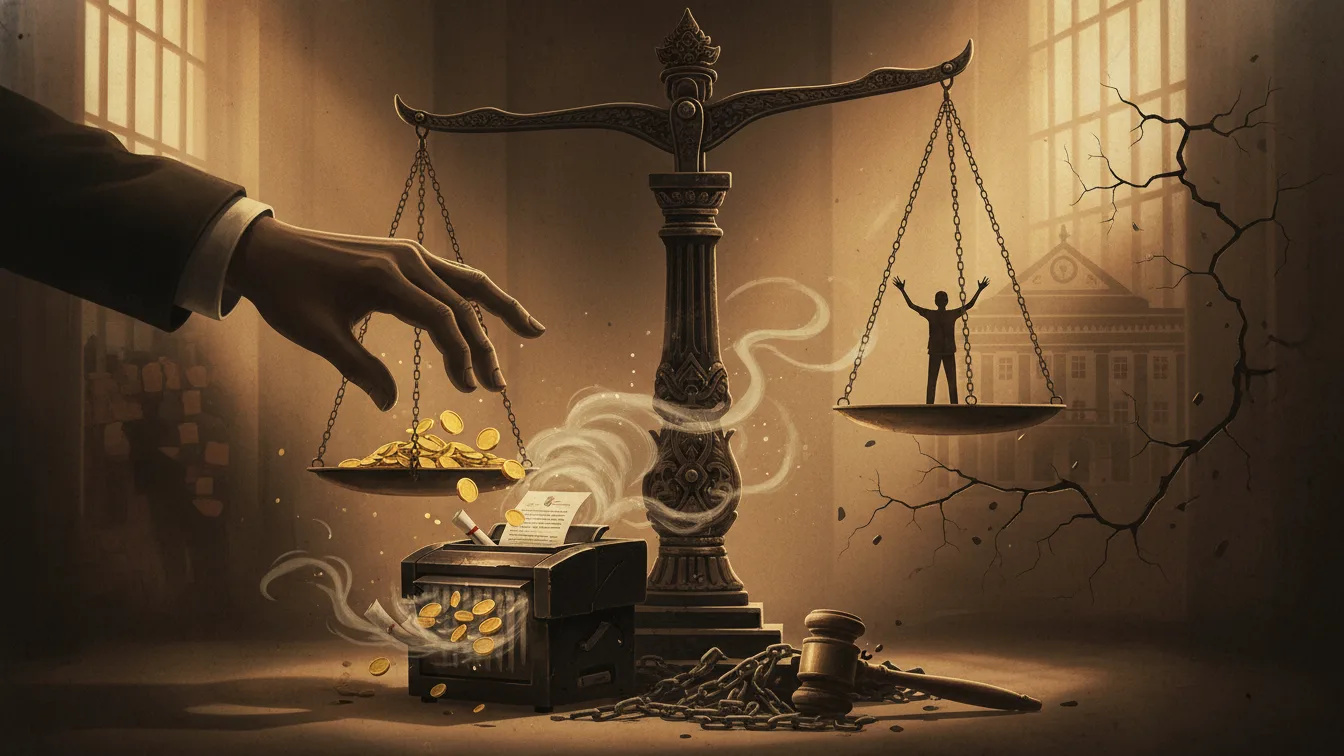
The Illusion of Justice
The fundamental problem with using amnesty and abolition as instant solutions is the creation of an illusion of justice. When the President grants clemency or termination of prosecution, it does save one individual, but leaves thousands of other potential victims under the threat of the same regulation. This action is casuistic and highly political. The question then becomes, what about those who experience a similar fate—criminalized due to administrative policies—but do not have access to the palace? What about regional officials or policymakers who are not viral on social media and thus escape the President's radar?
Law, in the ideal of the rule of law (Rechtsstaat), must work impersonally and systemically. Justice should not depend on the generosity of a ruler, but on the certainty of a fair system. When the President is too diligent in intervening in the legal process—even with good intentions—it indirectly degrades the authority of the judiciary. It is as if there is absolute distrust from the executive towards the judiciary's ability to decide cases fairly.


Furthermore, this pattern creates moral hazardLaw enforcers (Police and Prosecutors) will never feel the need to improve their investigation and prosecution standards. They will continue to use "blinders" in applying the elastic articles in the Anti-Corruption Law, because if there is a case that is too controversial, the President will fix it at the end of the road. This is a vicious cycle that spoils law enforcement officials to be unprofessional and allows bad regulations to continue to exist. We are trapped in the romanticism of a savior figure, while forgetting that we need a system that saves.














Comments
0Share your perspective politely, stay relevant, and focus on the article. Comments appear after moderation.
Join the discussion
Write a clear, polite response that stays on topic.
No comments yet. Be the first to discuss.
Comments will appear after moderation.