

Coercive Measures Loopholes and Dark Spaces Without Court Permission
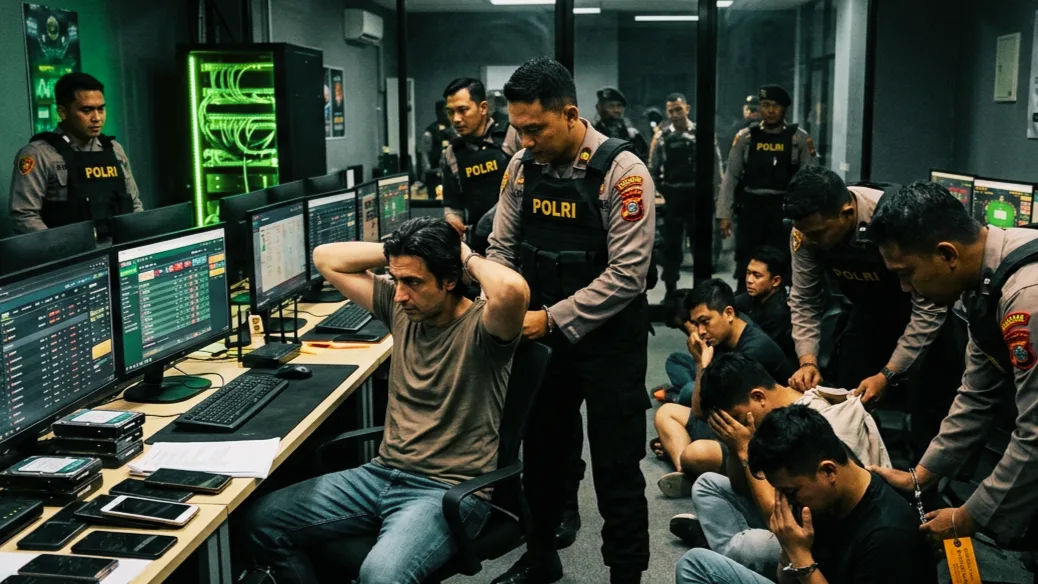
The second problem that is no less complicated is found in Articles 93 to 98 of the new KUHAP. This rule allows investigators, on the orders of investigators, to make arrests and detentions without first obtaining permission from the local district court. This is actually a replication of the weaknesses of the old KUHAP that failed to be corrected.
In the context of human rights and corruption prevention, the absence of an obligation to immediately bring the suspect to trial after arrest creates a legal "dark space." It is in this dark space that illegal transactions often occur. Investigators have full power to determine whether someone will "stay" in a cell or be sent home. This uncertainty is often exploited by individuals to extort suspects or their families with promises of suspension of detention or manipulation of articles so that the threat of punishment becomes lighter.


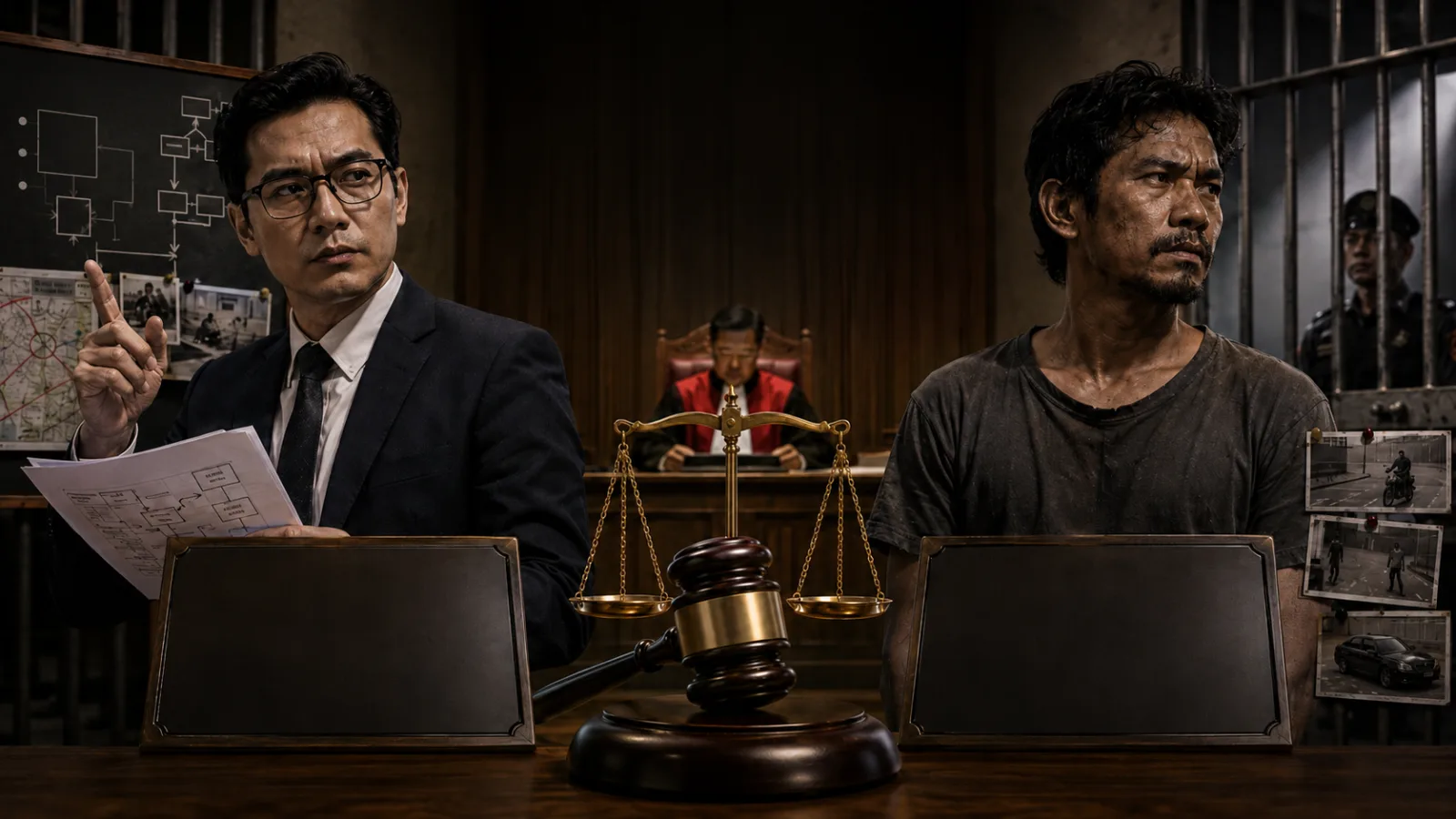
The practice of "peaceful" or bribery negotiations in the early stages of investigation is the most damaging form of corruption because it kills justice even before the trial process begins. If the new Criminal Procedure Code still provides such broad discretion without strict vertical supervision from the judiciary (judicial scrutiny) from the first minute of coercive measures, then the hope of eliminating the culture of "case brokers" in our judicial system will remain a pipe dream.


















Comments
0Share your perspective politely, stay relevant, and focus on the article. Comments appear after moderation.
Join the discussion
Write a clear, polite response that stays on topic.
No comments yet. Be the first to discuss.
Comments will appear after moderation.