
Legal Literacy - This article discusses the criminal justice system in Indonesia, highlighting its inefficiencies and existing problems, including corruption and high costs. Focusing on two reform approaches, plea bargaining and a special track as proposed in the Draft Criminal Procedure Code (RKUHAP), this article explores the differences between the two systems and how they could potentially expedite the judicial process while adapting to local legal dynamics. This discussion is crucial in the context of seeking fairer and more efficient solutions for the criminal justice system in Indonesia.
The Hustle and Bustle of the Justice System
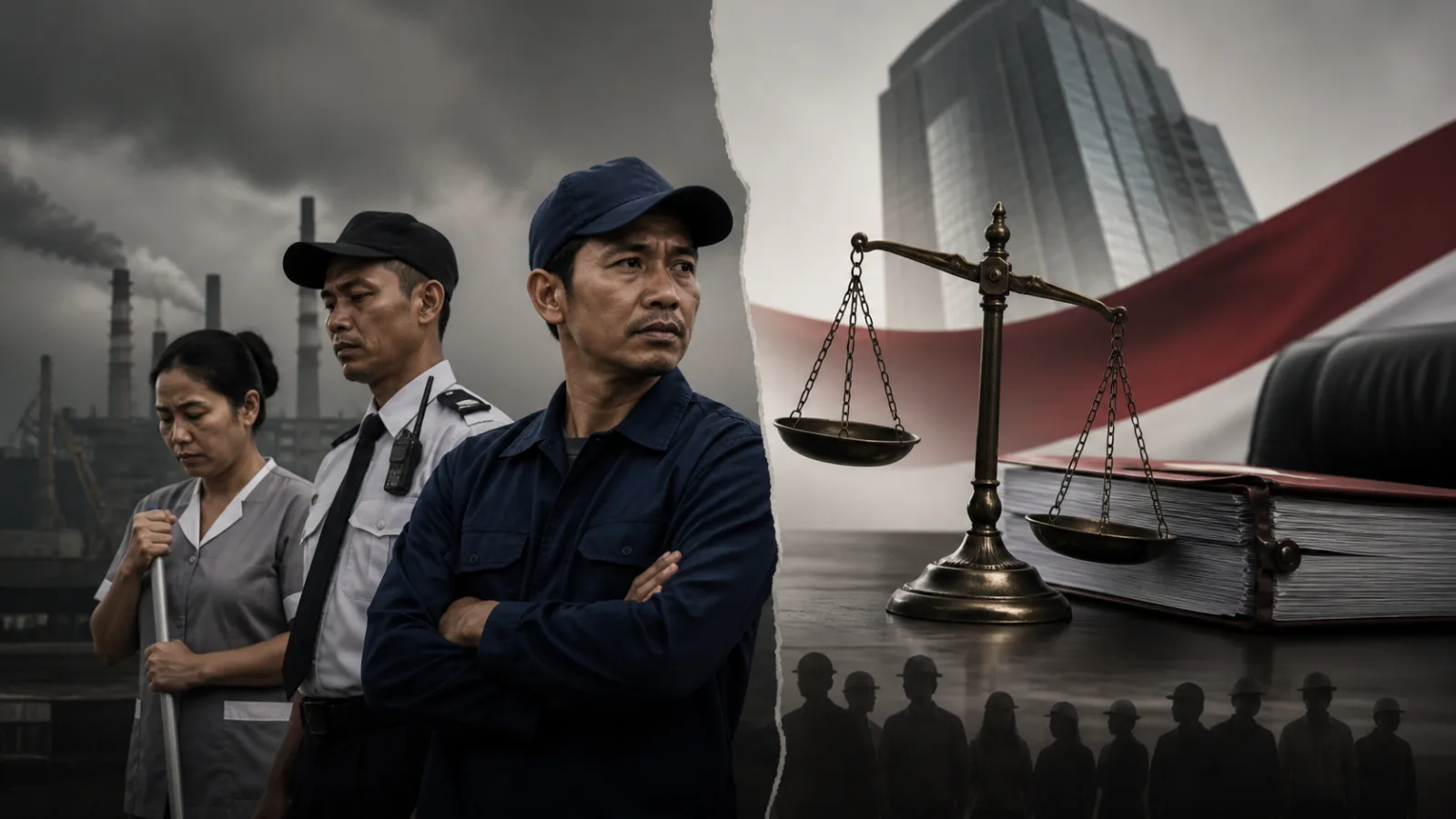
The problems related to the justice system in Indonesia can be said to be endless. Especially in the criminal scope, it requires a longer process and time, for example, coercive measures, pre-trial, appeals, and cassation. Ironically, this is often underestimated, even though the justice system should realize the principle of simple, fast, and low-cost justice in examining cases in accordance with the mandate of Article 2 Paragraph (4) Law No. 48 of 2009 concerning Judicial Power.


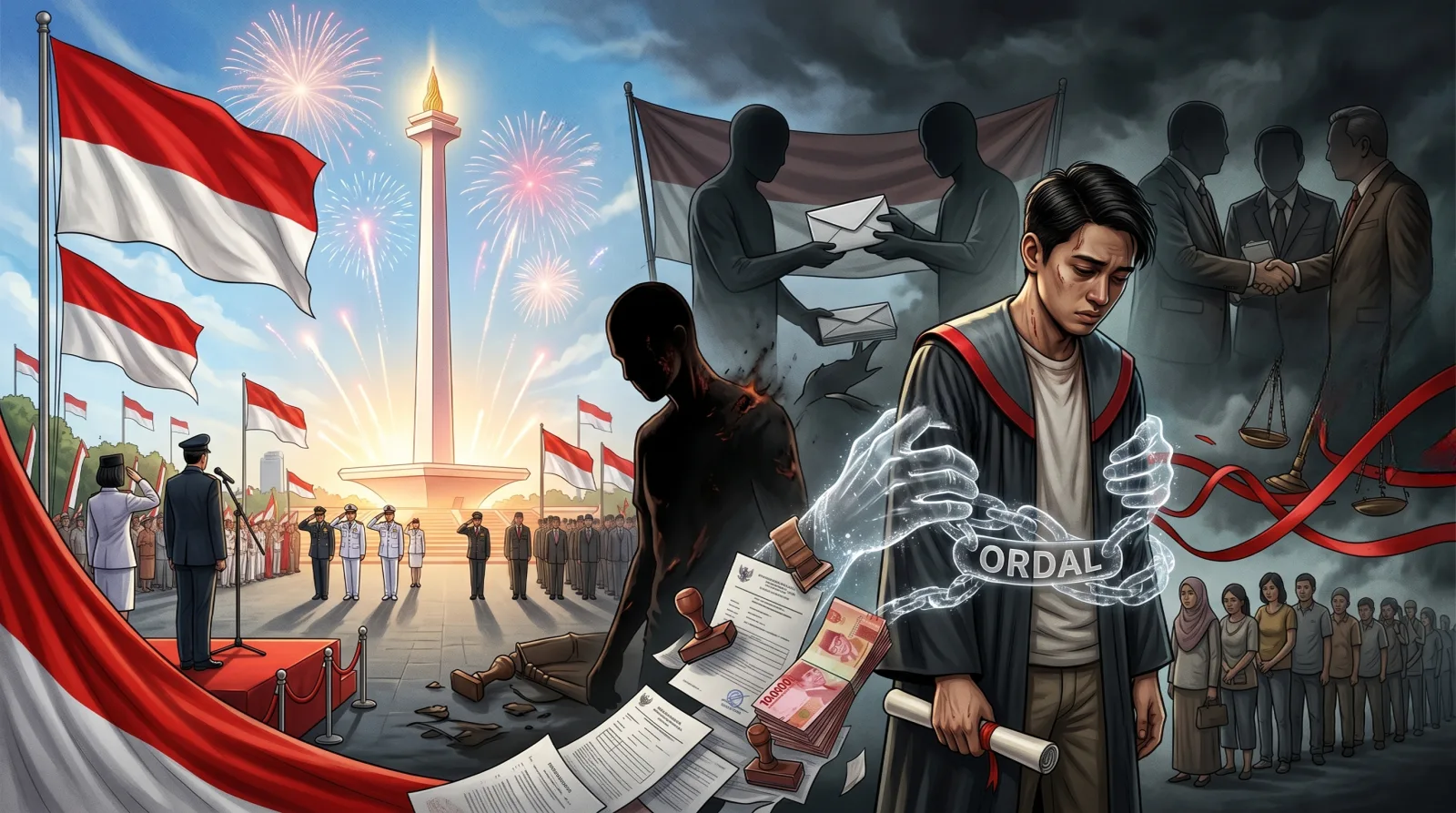
Not only that, a researcher from the National Legal Development Agency of the Ministry of Law and Human Rights of the Republic of Indonesia, Chairul Huda, stated that there are several problems in the criminal justice system in Indonesia, namely the accumulation of cases (overloaded), time-consuming (waste of time), expensive costs (expensive), corrupt practices (judicial corruption), unable to accommodate the public's sense of justice (unresponsive), too rigid, formal, and technical (non-flexible, formalistic, and technically).
With various points of problems related to the judicial process, it is hoped that there will be a repressive handling effort towards this, one of which is the enactment of plea bargaining, which is a legal effort made by reducing the charges while forgiving the defendant, when he wants to admit his guilt. Of course, this has received pros and cons from various groups. Some are of the view that this system is important to speed up the judicial process while accommodating legal dynamics in society.
In fact, this has been stated in the Draft Criminal Procedure Code (RKUHAP), but there are differences in the definition, substance, and procedure of plea bargaining that is applied in other countries with the special track in the national RKUHAP. So, if we look at both, which one is more appropriate to be applied in Indonesia?
















Comments
0Share your perspective politely, stay relevant, and focus on the article. Comments appear after moderation.
Join the discussion
Write a clear, polite response that stays on topic.
No comments yet. Be the first to discuss.
Comments will appear after moderation.