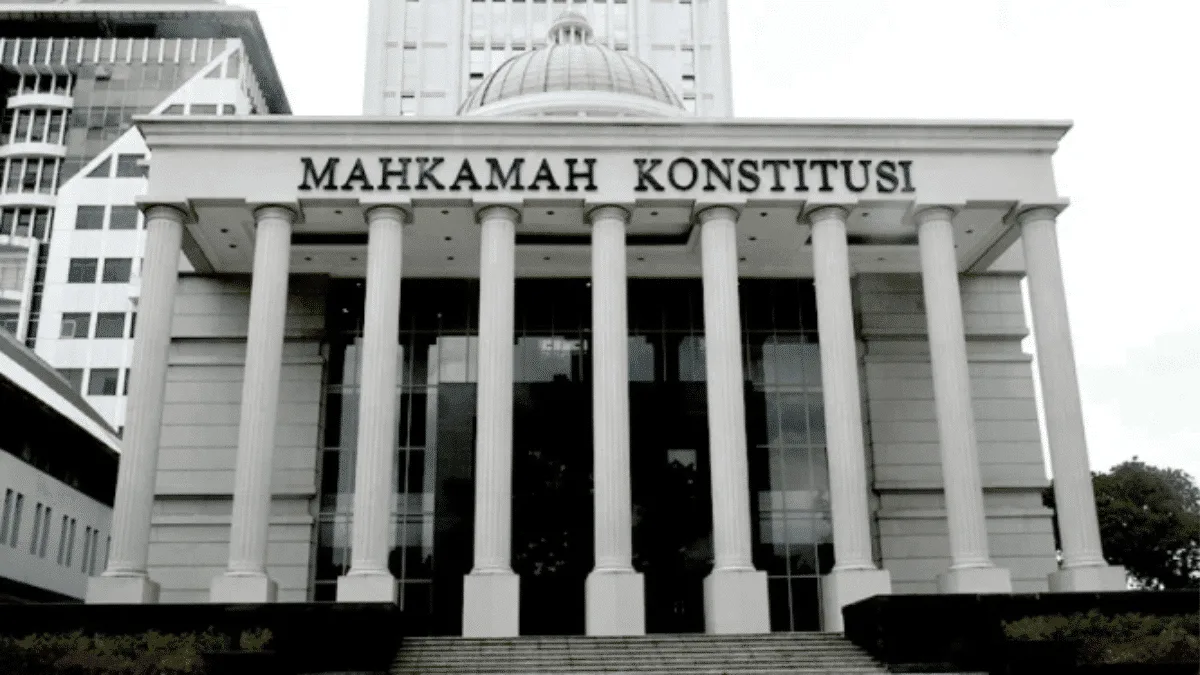
Legal Literacy - This article will provide an understanding of General Election Result Disputes (PHPU) in a fundamental and clear manner.
Introduction
In discussions about general elections (Pemilu), it is unavoidable to explain the significance of the concept of democracy, which is closely related to it. Democracy, etymologically, comes from Greek, namely "demos" which means people, and "kratos" which means government or power.


Thus, in a simple sense, democracy can be interpreted as a system of government in which power is in the hands of the people collectively, not centralized in one individual (monarchy) or a small group (oligarchy). Currently, the concept of democracy is increasingly developing and is often considered to have a similar meaning to a republic.
To implement the principles of democracy in running a country's government, it is impossible to involve all citizens directly. Therefore, the state chooses its representatives in government with the hope that they can create conditions that are beneficial to the people. A government that strives for the interests of the people is an ideal desired by society.
In an effort to realize these democratic principles, a special election mechanism is needed so that the elected government can represent the aspirations of its voters. The concept of general elections (Pemilu) was born as part of the development of the theory of democracy and the mechanism for electing a government that represents the voice of the people.
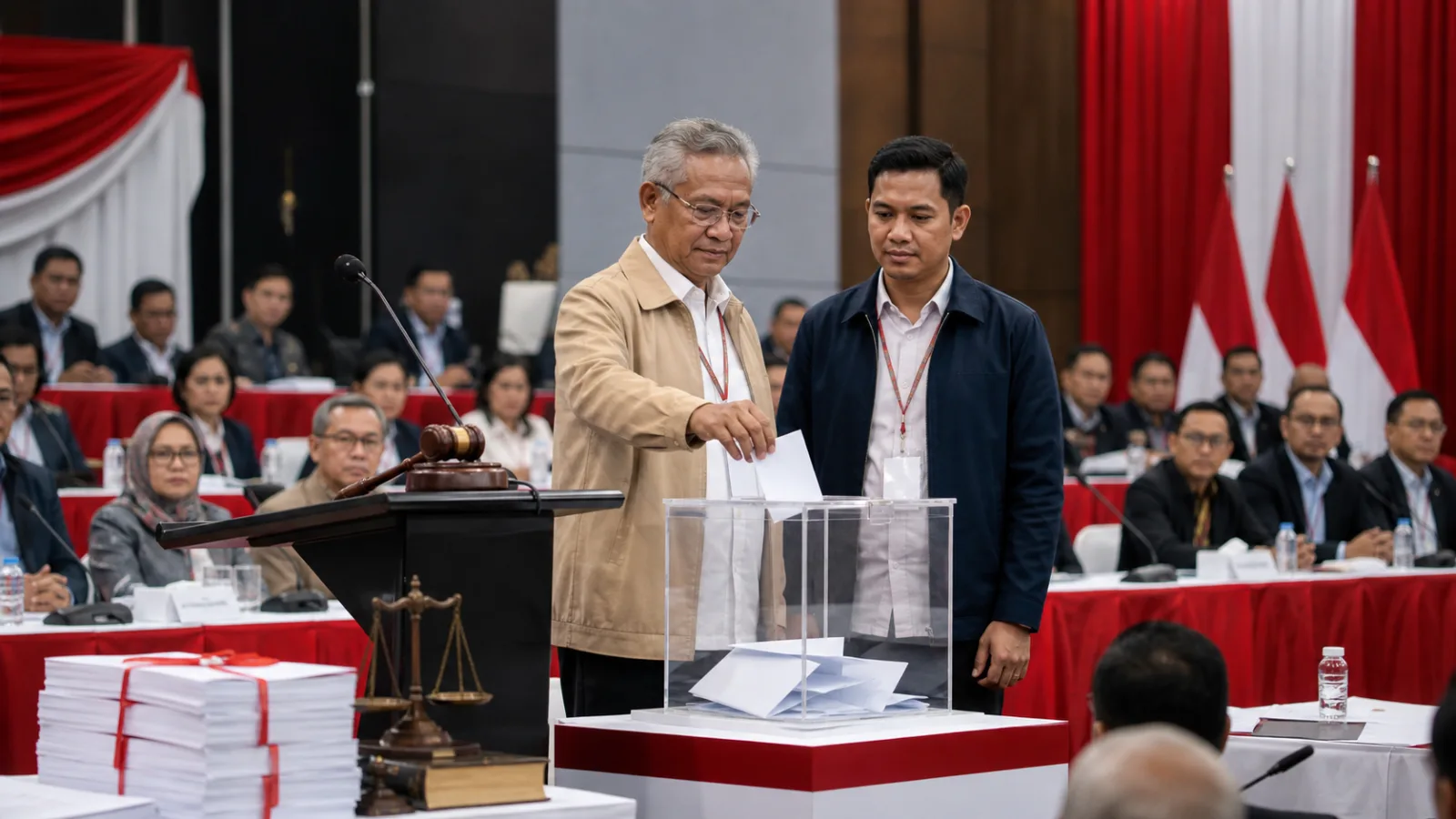
The implementation of these elections often leads to disputes over the election results. The same thing is also experienced by Indonesia. Disputes over the results of general elections are an unavoidable phenomenon in Indonesia's political dynamics.












Comments
0Share your perspective politely, stay relevant, and focus on the article. Comments appear after moderation.
Join the discussion
Write a clear, polite response that stays on topic.
No comments yet. Be the first to discuss.
Comments will appear after moderation.