
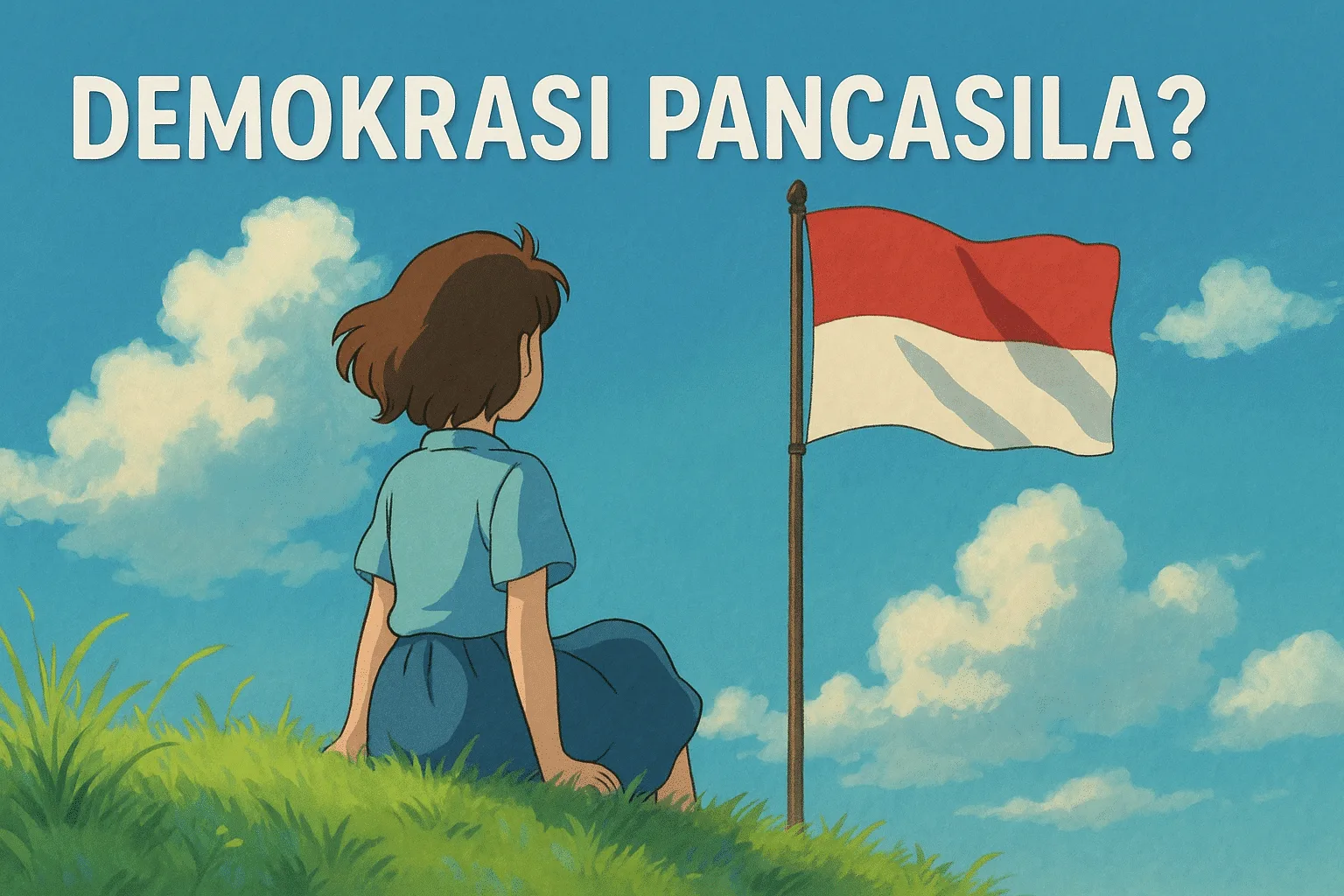
Legal Literacy - Is Indonesia truly a Pancasila Democracy? This article examines the ideal, reality, challenges, and future of Indonesian democracy post-2024 Election.
1. Introduction: Pancasila Democracy at a Crossroads?
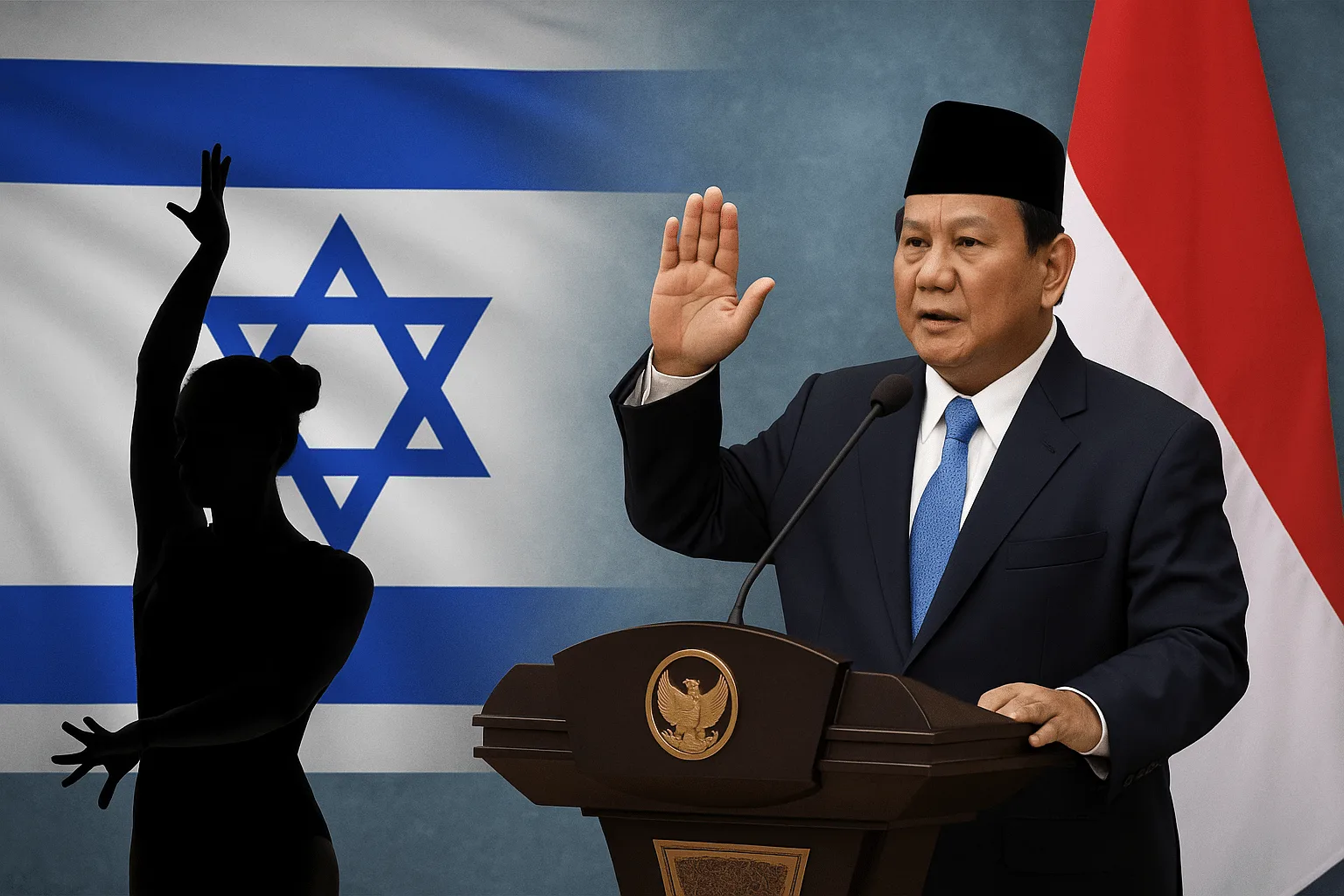
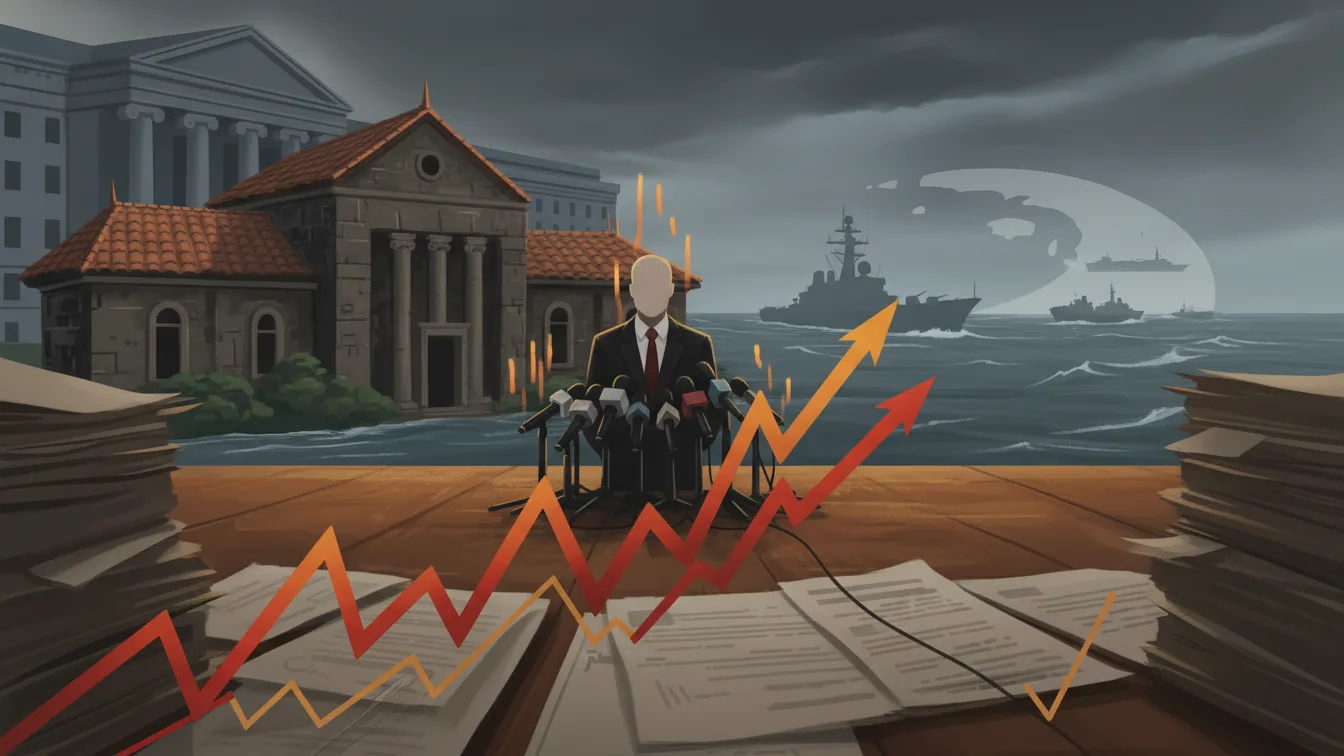
A fundamental question echoes in the public sphere and contemporary Indonesian academic discourse: "Is Indonesia Currently Truly a Pancasila Democracy?" This question is not merely a play on words, but a profound reflection on the collective anxiety regarding the direction and quality of the nation's democracy, especially after the 2024 General Election and amidst various complex socio-political challenges. The urgency of this question is increasingly felt given the various indications of potential shifts, or even regressions, from the ideal values contained in Pancasila Democracy. Various findings regarding the decline in the democracy index 1, the weakening of crucial institutions 2, and the strengthening grip of oligarchy 3 reinforce the relevance of this question.


This article aims to critically dissect this question. This effort is carried out by re-examining the essence and fundamental pillars of Pancasila Democracy, comparing it with the practices and realities that occur in the field, identifying the significant challenges faced, and reflecting on the implications of the current condition for the future of Indonesia. The issue is not only limited to the label or formal status of the state, but touches on the quality and substance of the democracy that is run. Simply organizing democratic procedures, such as general elections, does not automatically make a country fully democratic in accordance with the spirit and values of Pancasila. Pancasila Democracy, as will be described, has distinctive characteristics such as mutual cooperation and consensus that go beyond mere voting mechanisms.4 If practices in the field show a deficit in these distinctive features, then the question of the "truth" of Pancasila Democracy becomes very valid and urgent to answer.
Furthermore, the anxiety underlying this question most likely reflects a widening gap between das Sollen (what should be) of Pancasila Democracy with das Sein (what actually happens) in Indonesian political and constitutional practice. On the one hand, there is the ideal of Pancasila Democracy which upholds popular sovereignty, human rights, and social justice.4 However, on the other hand, various data and analyses show significant deviations from this ideal.1 This gap is the core of the problem that will be reviewed in this article.
















Comments
0Share your perspective politely, stay relevant, and focus on the article. Comments appear after moderation.
Join the discussion
Write a clear, polite response that stays on topic.
No comments yet. Be the first to discuss.
Comments will appear after moderation.