
Legal Literacy - This article discusses the types of acts criminal a child that can be resolved by mechanisms regulated in the Juvenile Criminal Justice System Law. This article explains the concept of diversion or restorative justice in the Juvenile Criminal Justice System Law and the mechanism for settling cases with penal mediation. This article also explains the stages in the implementation of diversion, namely diversion efforts, diversion deliberations, diversion agreements, and implementation of diversion agreements.
This article provides information about the types of criminal acts that can be resolved through diversion, the conditions that must be met to carry out diversion, and the results of diversion agreements that can be achieved.
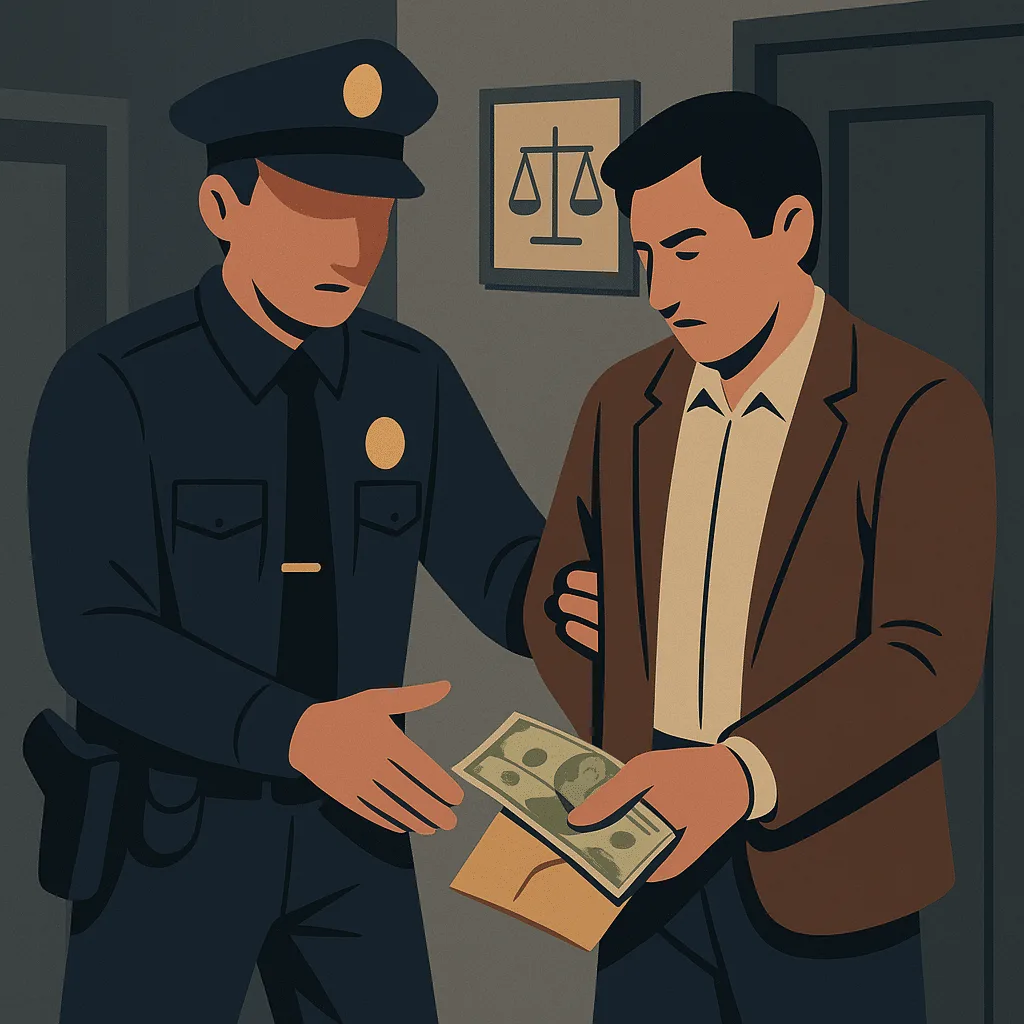


Types of Criminal Acts That Can Be Resolved by Mechanisms Regulated in the Juvenile Criminal Justice System Law
Law Number 12 of 2012 concerning the Juvenile Criminal Justice System (UU SPPA) clearly affirms the existence of a penal mediation model, which appears in the general provisions of the UU SPPA under the terms restorative justice or diversion, which in essence is about the implementation of mediation.
Article 7 of the UU SPPA explains that the penal mediation mechanism in criminal acts involving children, or what is commonly referred to as "diversion," is carried out at the investigation, prosecution, and examination of Children's cases in the district court, and even during guidance during the process of carrying out criminal sanctions or actions and after serving criminal sanctions or actions. Diversion is the transfer of the settlement of children's cases from the criminal justice process to settlement outside the criminal justice process. Diversion is carried out if the type of criminal act committed:
- Is threatened with imprisonment of under 7 (seven) years; and
- Is not a repetition of a criminal act.
In relation to these two requirements, it can be understood that every Children's case that does not meet both or one of these requirements will not be subject to diversion efforts and will be resolved through the judicial process.
According to Article 10 of the UU SPPA, the penal mediation mechanism can be carried out for criminal acts in the form of violations, minor criminal acts, criminal acts without victims, or the value of the victim's loss is no more than the value of the local provincial minimum wage.
Mechanism for Settling Cases with Penal Mediation
In short, here are the stages in the implementation of diversion:
1. Diversion efforts (offer)
Offering is an important process in interpreting diversion with a restorative justice approach, because the restorative process must be built from respect for the parties (perpetrators and victims) who will resolve the conflict arising from the criminal act.
2. Diversion deliberation
Diversion deliberation is a consultative forum where:
- Victims will openly share their feelings and experiences about what they felt after the crime occurred, for example: the victim's difficulty in going to work as a courier when his motorbike was stolen by the Perpetrator (Child), then the Child must be able to understand the victim's feelings. Victims can openly express their feelings to overcome the losses caused by criminal acts;
- The community can understand the causes of crime and participate to prevent crime;
- Children also gain insight into the impact of their behavior and take responsibility in a meaningful way to restore what they have damaged or the conflict that occurred as a result of their actions.















Comments (0)
Write a comment