Legal Literacy - This article discusses the role of the
International Court of Justicein international law. This discussion is increasingly interesting because South Africa recently filed a lawsuit against
International Court of Justice against Israel regarding genocide in the Gaza Strip, Palestine. Let's take a look at the full explanation.
The Role of International Court Of Justice In International Law
Recently, the State of South Africa (RSA) has officially submitted a lawsuit to the
International Court Of Justice (ICJ) against the State of Israel, regarding the acts of genocide committed in Gaza, Palestine.
Quoting the page
CNN Indonesia, the trial was held on 11 – 12 January 2024. Looking at the issue of South Africa's lawsuit against Israel, it is necessary to understand the role of the ICJ as an International Court and the legal consequences of the ICJ's decision.
International Court Of Justice (ICJ)
International Court of Justiceor the International Court of Justice is a judicial institution established by the United Nations (UN), based on the UN Charter in June 1945.
The ICJ was founded to replace the previous international court, namely
PermanentInternational Court Of Justice. In Article 7 paragraph (1) of the UN Charter,
International Court of Justiceis referred to as a UN organ, alongside other organs such as the general assembly (
general assembly), the security council (
security council), the economic and social council (
economic and social council), the trusteeship council (
trusteeship council), and the secretariat.
Read Also: UN Security Council Veto Rights
The ICJ is based in The Hague (Netherlands) and is the only UN organ that is not based in New York (United States).
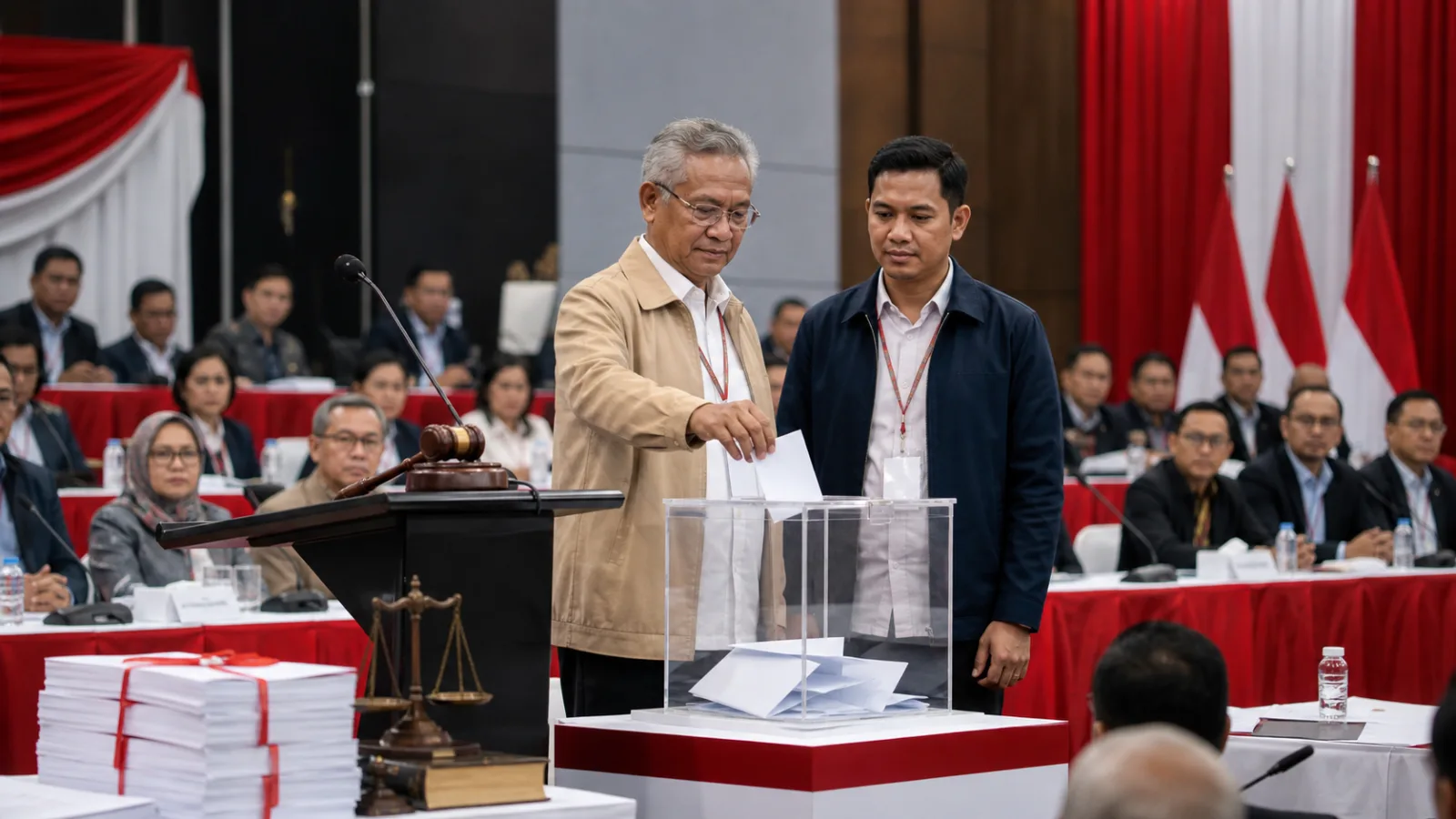
The ICJ Court is headed by 15 Judges with a term of office of nine years elected by the UN General Assembly and the Security Council. According to Article 34 paragraph (1) of the ICJ Statute, only countries can be parties to ICJ cases.


















Comments
0Share your perspective politely, stay relevant, and focus on the article. Comments appear after moderation.
Join the discussion
Write a clear, polite response that stays on topic.
No comments yet. Be the first to discuss.
Comments will appear after moderation.