This oath was adopted in Indonesia as doctor's oath number four: I will keep secret everything I know because of my profession. However, the right to privacy in health law is not absolute. There are several things that are excluded by law such as interests for investigation, limited research, and insurance.
b. A person's right to their own body
A person's right to their own body derives other rights such as the right to informed consent, the right to choose a doctor or hospital, and the right to refuse medical treatment/action. This right provides the basis that a medical action must be carried out with the patient's consent, unless under certain conditions it is permitted without consent by law, for example in the event of an emergency.


The concept of the right to one's own body has been an endless debate to this day. In its application, each region or country has different perspectives influenced by moral, religious, and ethical values. This has a significant impact on the development of health services and issues, including those related to trans-sexuality, abortion, euthanasia, and suicide.
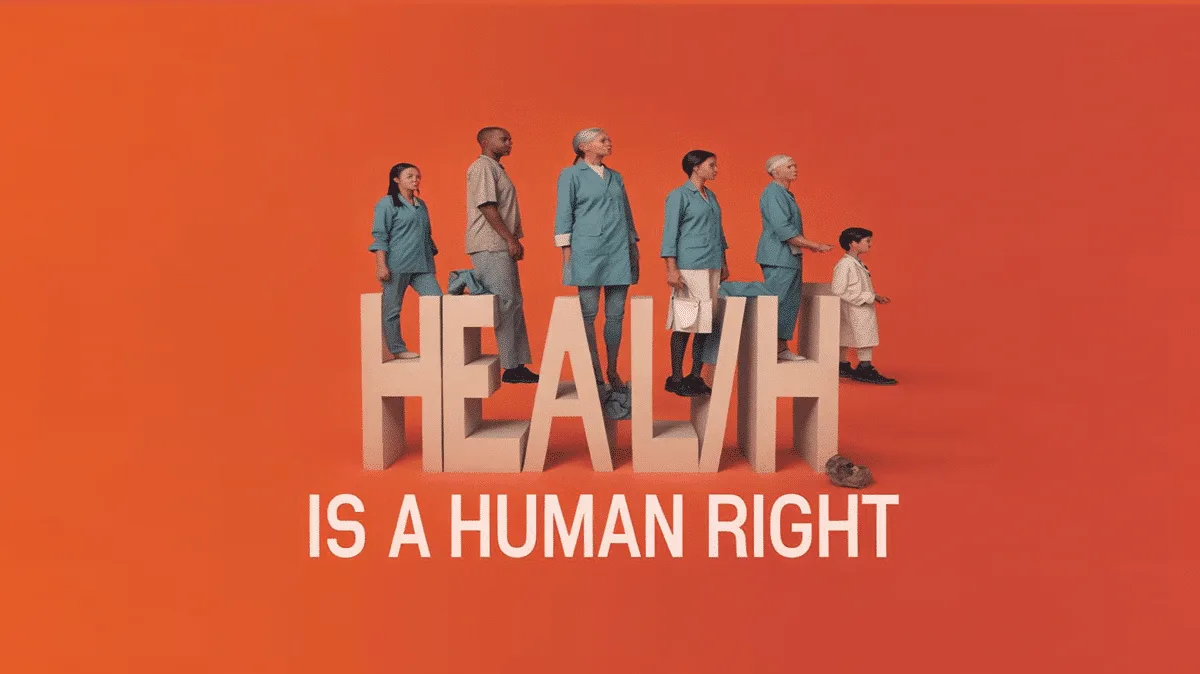
The principles of human rights, both in basic social rights and basic individual rights, are an important foundation in running the health system. Enforcement of human rights must continue to be a focus in the development and implementation of health policies. Therefore, the government as a regulator, doctors and health workers as health service providers, and patients need to have a complete understanding of human rights so that the health system is in line with human values.
References
- Rhona K. M. Smith et al, Human Rights Law, Jakarta: PUSHAM UII, 2008
- Fred Ameln, Kapita Selekta Hukum Kedokteran (Selected Topics in Medical Law), Jakarta: Grafikatama Jaya, 1991






















Comments
0Share your perspective politely, stay relevant, and focus on the article. Comments appear after moderation.
Join the discussion
Write a clear, polite response that stays on topic.
No comments yet. Be the first to discuss.
Comments will appear after moderation.