
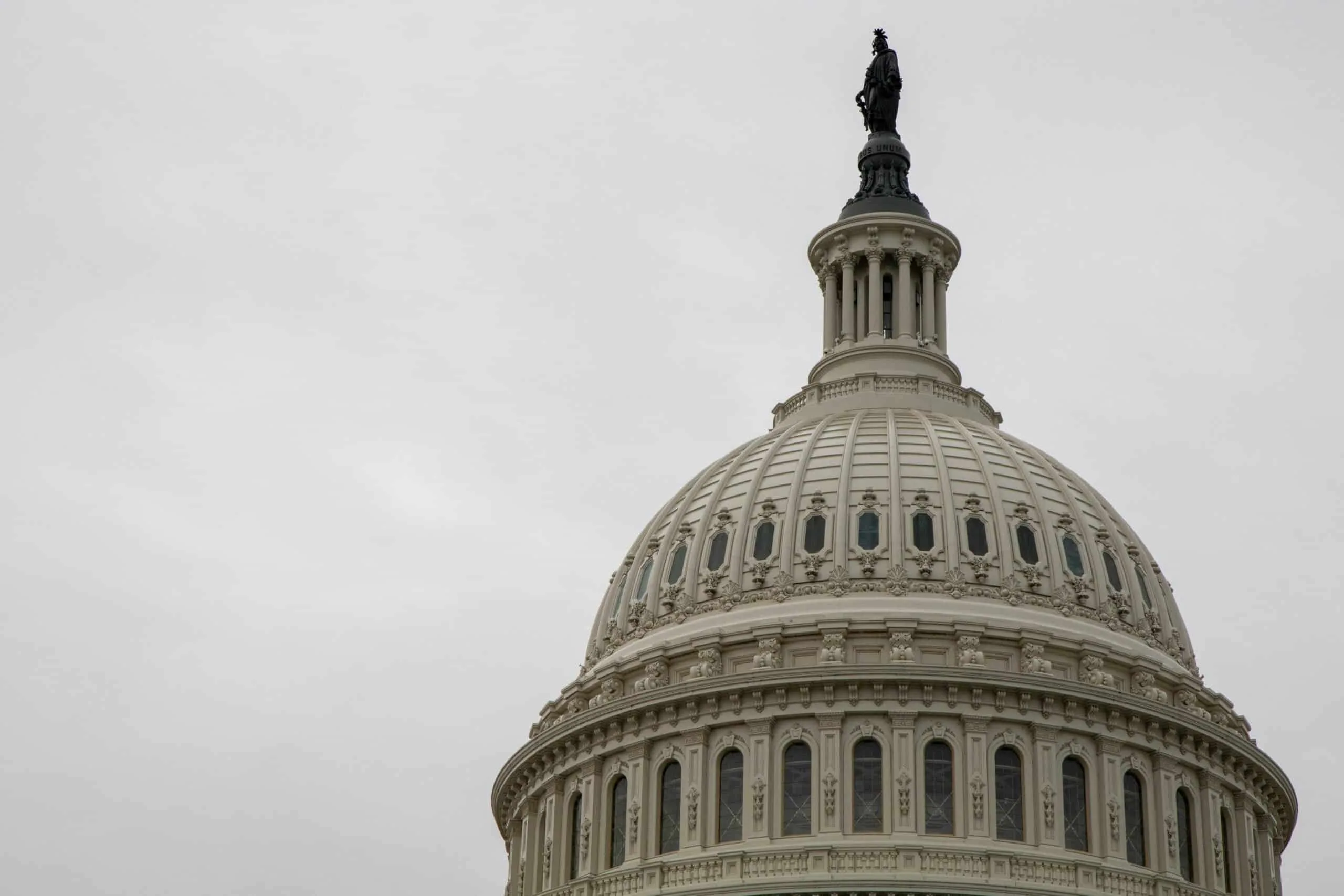
This article examines the oligarchical power structures in Indonesia and how they affect its democratic rules. Dive deep into understanding the complex relationship between political elites, politics, and democracy in this Southeast Asian country.
In Indonesia, oligarchs are political elites with immense economic and political power. They have often been accused of having undue influence over democratic systems and institutions, leading to major concerns about the country's commitment to a fair and functioning democracy. This article examines the oligarchs of Indonesia and how they shape the political landscape in the Southeast Asian nation.


Effects of Oligarchical Power Structures
Oligarchical power structures in Indonesia can have far-reaching implications for the people’s ability to participate in free and fair elections. Oligarchs often control access to resources, such as media outlets, financial resources, and local patronage networks, which they use to gain a larger political advantage. Such effects of oligarchical power weaken Indonesian democracy by creating obstructionists who are resistant to proposed reforms. Furthermore, the lack of checks and balances on the oligarchical structure could lead to a rise in autocratic leadership and a decline in public trust in the democratic system.
Despite the growth of oligarchical power structures, Indonesian democracy remains a viable form of government as recent democratization efforts have aimed to make the system more decentralized and transparent. There has been an increase in civil society participation through public education, political awareness, and acts of resistance against oligarchical power. Additionally, there has been increased oversight of party politics to make sure that decision-making processes reflect fair and inclusive representation. As such, while Indonesian democracy remains under pressure due to the presence of oligarchs, it is possible that through cooperation between citizens and elected officials, measures can be implemented to ensure a stronger foundation for democratic governance in Indonesia.
To fully understand the effects of oligarchical power on Indonesian democracy, it is important to analyze the ways in which such power structures can weaken or impede free and fair elections. Oligarchs can control access to resources, particularly media outlets and financial capital, both of which contribute to gaining a larger political advantage. Additionally, facilitation of patronage networks are often used by oligarchs to build up and maintain their own personal interests. Such strategies not only create inequality within the political system but also act as obstructists to proposed reforms from citizens and governing bodies, rendering them ineffective when attempting to tackle challenges that face democratization processes. Furthermore, unchecked oligarchical powers could lead to situations where autocratic leaders remain unchallenged as they hold more influence over decision-making processes than democratically elected officials. Lastly, these factors might contribute to a decrease in public trust in the democratic system as citizens question its reliability and efficacy due to the presence of influential actors who seek their own self-interests over collective gains.


















Comments
0Share your perspective politely, stay relevant, and focus on the article. Comments appear after moderation.
Join the discussion
Write a clear, polite response that stays on topic.
No comments yet. Be the first to discuss.
Comments will appear after moderation.