
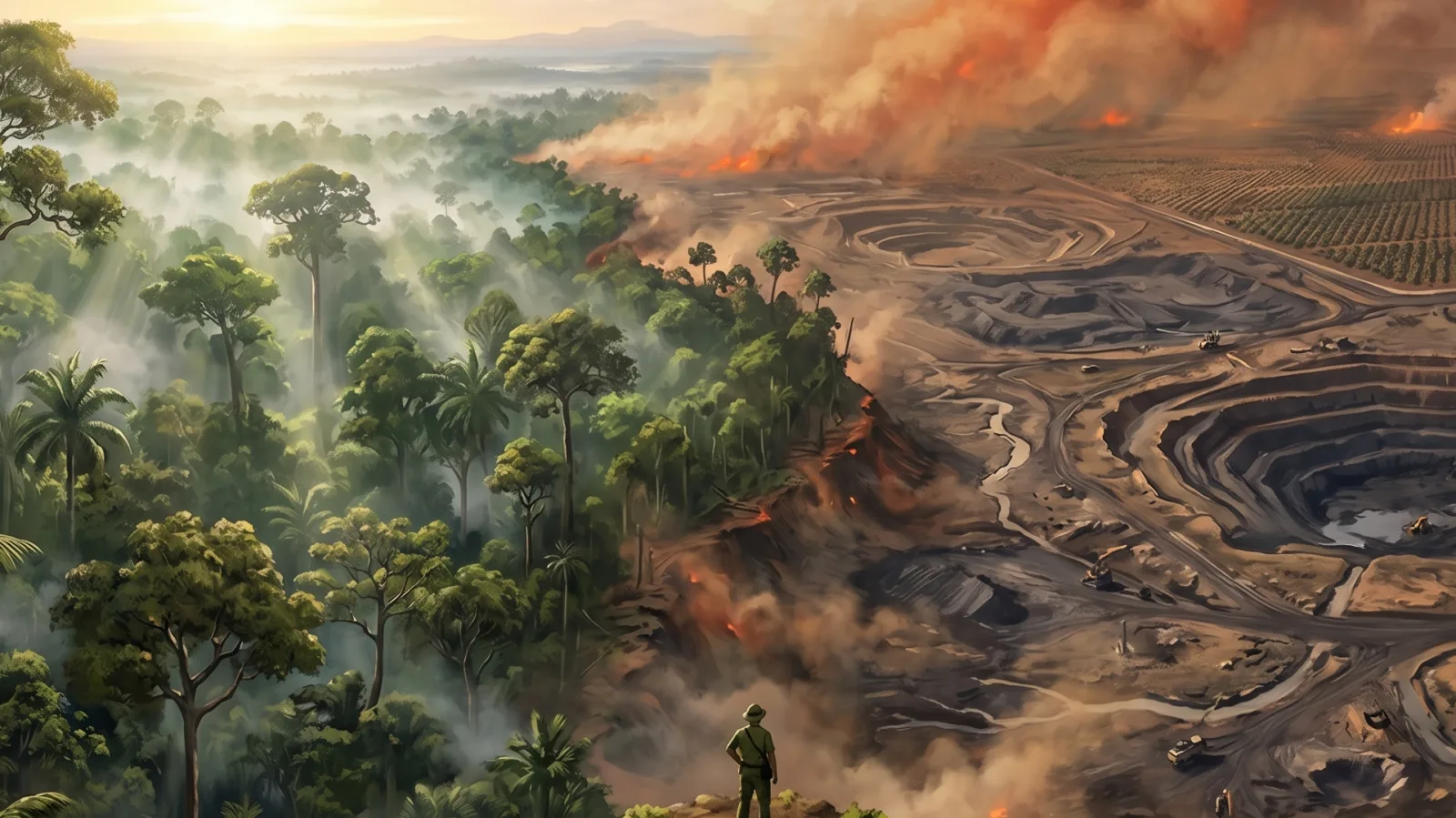
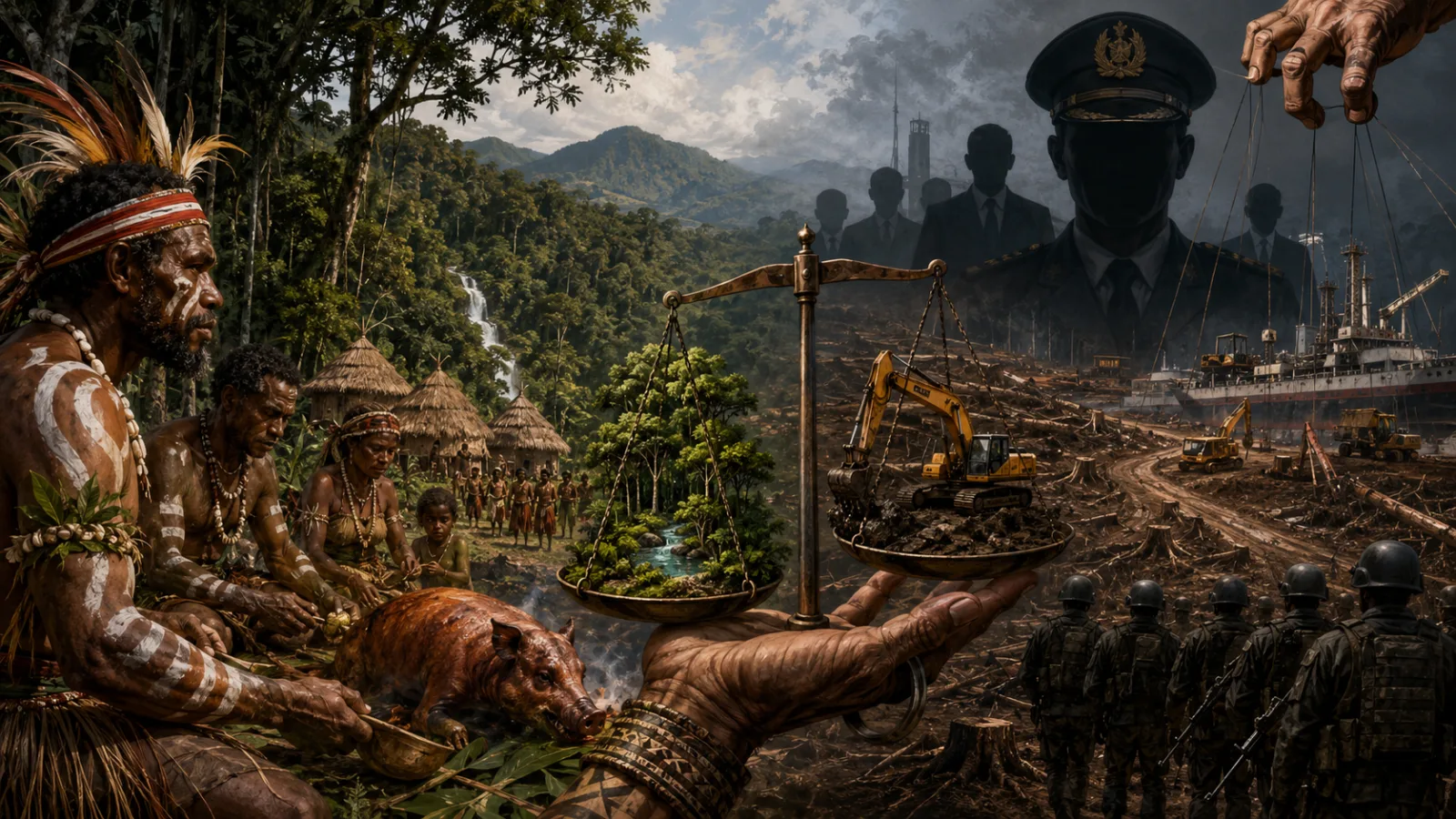
Legal Literacy - Behind the magnificent figures of Indonesia's economic growth, there is a dark reality that is often overlooked, namely, unlimited environmental exploitation. Environmental damage in Indonesia has not escaped the mischievous game of corporations and the massive exploitation of mining, plantations and forestry. The conversion of forest functions into commercial functions often does not pay attention to the carrying capacity of the environment. The massive conversion of forest functions into commercial functions often damages water catchment areas, eliminates vegetation cover, and increases the vulnerability of the region to ecological disasters.
Article 33 paragraph (3) the 1945 Constitution states that the earth, water, and natural resources shall be controlled by the state and shall be used to the greatest extent for the prosperity of the people However, in practice, the phrase "state control" is often used as an excuse to grant management licenses that can lead to loose exploitation, rather than as a mandate to protect the environment and community rights.


Massive defloration alert
According to a report by the Ministry of Environment and Forestry (MoEF), Indonesia has lost millions of hectares of forest to deforestation and fires in the past two decades. Data shows that more than 9 million hectares have been lost since 2000, with most of this caused by land clearing for plantations and mining.
Net deforestation in 2024 was recorded at 175.4 thousand hectares. This figure is obtained from gross deforestation of 216.2 thousand hectares minus the results of reforestation which reached 40.8 thousand hectares. The majority of gross deforestation occurred in secondary forests with an area of 200.6 thousand hectares. [1] The number of reforestation alone is far less than the deforestation that occurred, where the majority occurred in secondary forests. This statistic is not just a number on paper, it is a picture of the loss of living space, biodiversity, and climate stability for future generations.
Violation of Article 28H: Healthy Environment that becomes a Step item
This certainly causes a violation of the right to a good and healthy environment and is not in line with Article 28H (1) the 1945 Constitution namely:
"Every person has the right to live in physical and mental prosperity, to have a place to live, and to have a good and healthy environment, and to receive health services." [2]
Guarantee the right to a good and healthy environment as part of human rights. Environmental damage such as air, water and other pollution, has directly violated the rights stipulated by Article 28H (1) the 1945 Constitution, because it has damaged the quality of life of Prosperity, shelter and Public Health.
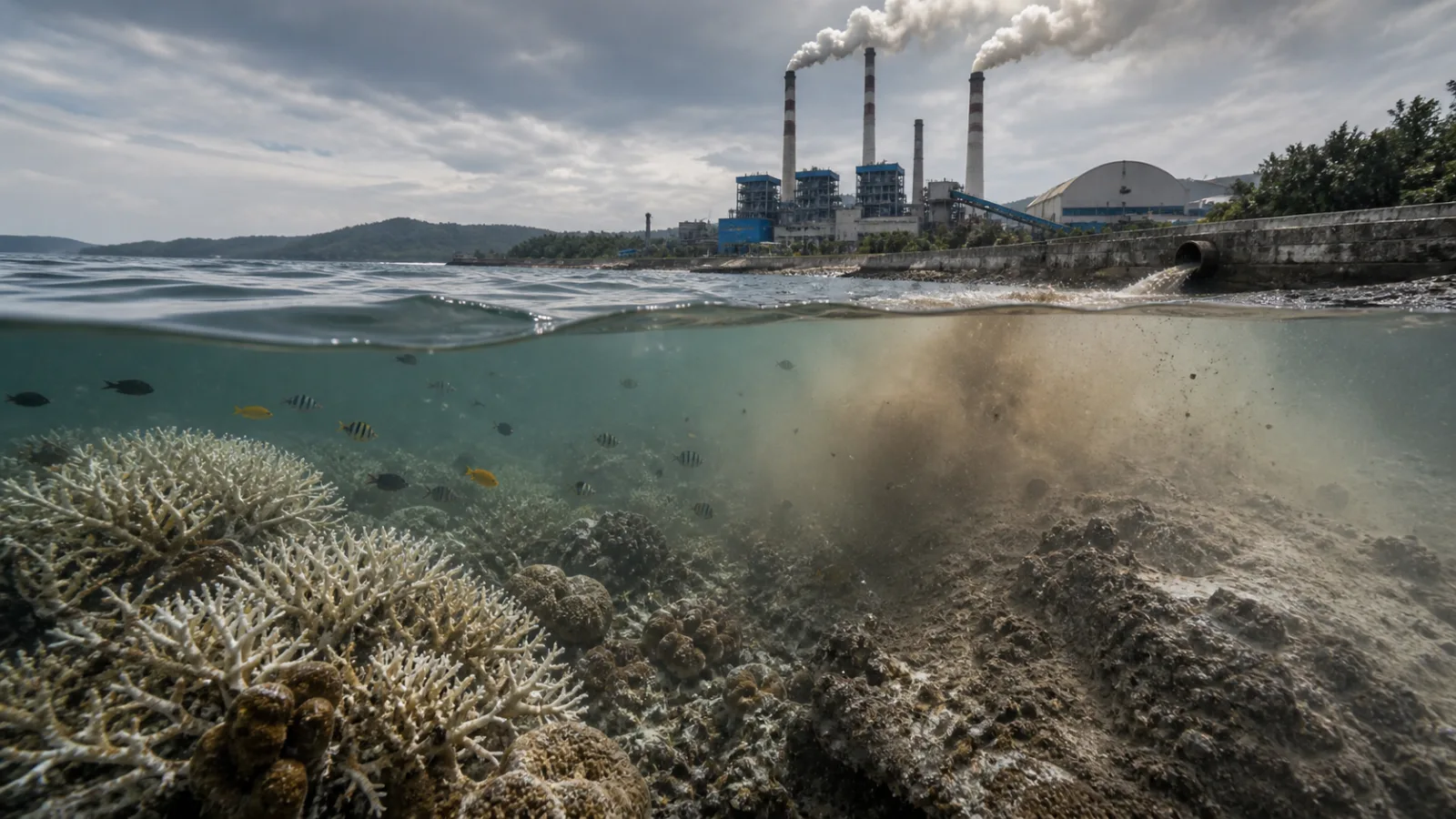
When environmental damage is polluted, of course this will have a domino effect on many things, such as polluted air due to forest burning for land clearing processes, river water contaminated with mining waste and other factory waste, and soil will lose its fertility which can interfere with the income of the community, especially farmers, these human rights violations have actually been violated at the most basic level. Environmental degradation has directly damaged the quality of life, destroyed public health, and created structural poverty for people who depend on income derived from nature.
The Unconscious Deprivation of Animals' Right to Life
Environmental degradation does not only affect human survival, but has far-reaching consequences, one of which is the richness of biodiversity. Data taken from Burung Indonesia released on April 3, 2026 shows, of the 1,834 bird species that inhabit the archipelago, 159 species are now globally threatened with extinction. [3] This threat is dominated by massive land changes and utilization. The assessment of the threat status of bird species shows that the three most frequent sources of pressure are agriculture (including plantations), aquaculture, hunting and capture of terrestrial animals, logging, and massive residential/commercial development. This is a clear disregard for Law No. 32 of 2024 on the Conservation of Living Natural Resources and Ecosystems, which explicitly mandates that conservation is an absolute obligation to maintain the sustainability of the environment's carrying capacity[4]
Not only birds, but one of Indonesia's endemic animals that is threatened with extinction is the Sumatran orangutan. As a result, orangutans are now the only animals that can be found in the rainforests of Borneo and Sumatra. Orangutans are starting to lose their habitat due to deforestation, especially caused by clearing forests for industrial purposes and oil palm plantations. According to Discover Magazine, this animal will be extinct within 10 years. Only around 14,000 Sumatran orangutans remain and less than 800 Tapanuli orangutans remain. Due to the population decline, both species are on the IUCN red list of endangered species. [5]
Conclusion
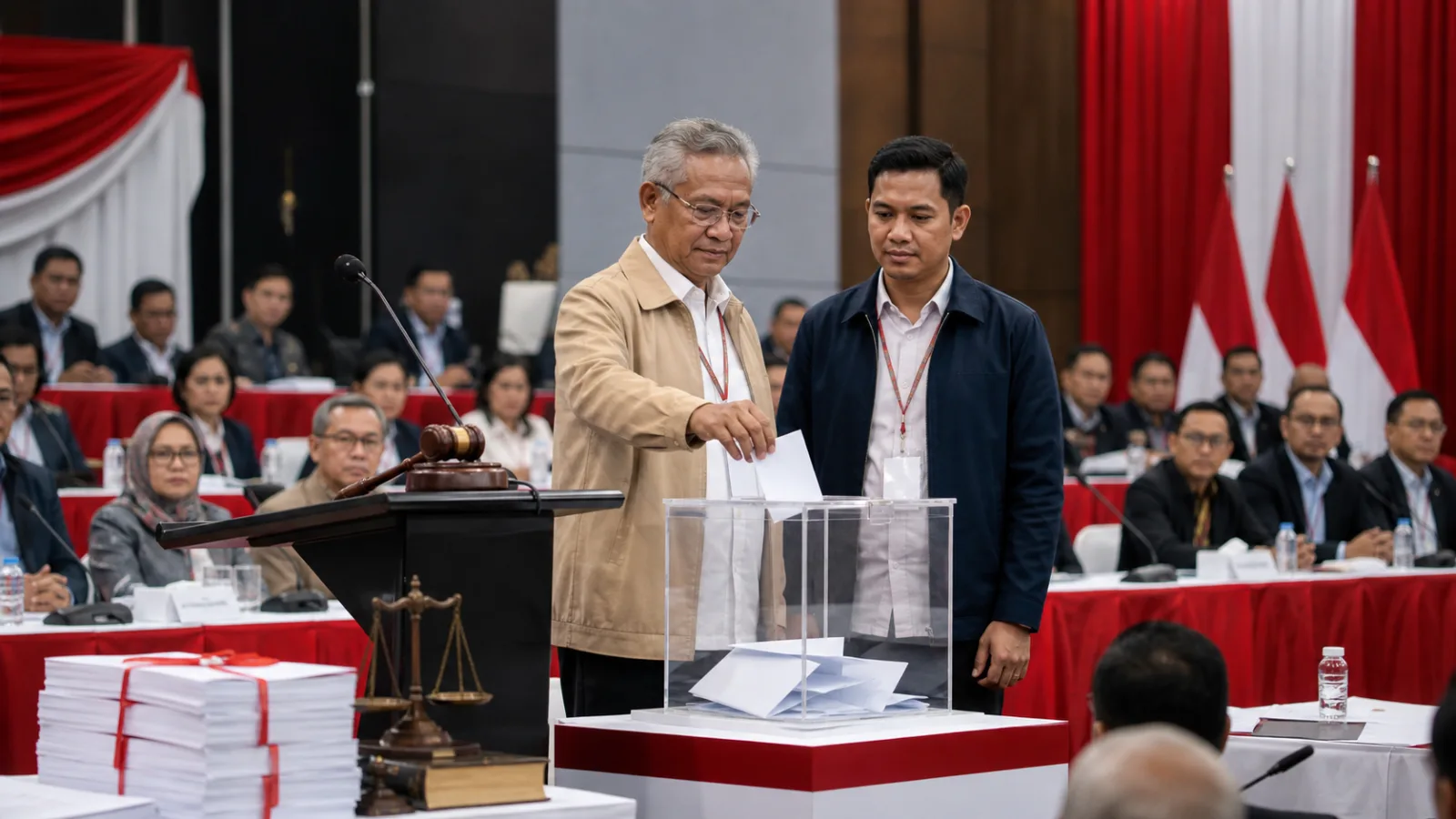
Making environmental damage an issue of violating human rights or flora and fauna is a crucial step towards demanding greater accountability. The state can no longer be just a "gatekeeper" for the interests of rogue parties.
It is time for exploitative policies to be stopped and environmental law enforcement to be tightened. Protecting the environment is no longer just an ethical choice, but a constitutional obligation to ensure the right to a healthy and dignified life for citizens. If the environment is destroyed, then other human rights are just promises that are impossible to fulfill.















Comments
0Share your perspective politely, stay relevant, and focus on the article. Comments appear after moderation.
Join the discussion
Write a clear, polite response that stays on topic.
No comments yet. Be the first to discuss.
Comments will appear after moderation.