

Implementation of Administrative Law
The implementation of this law is carried out through the organization and structure of state institutions tasked with making decisions and implementing government policies. In Indonesia, the governance system uses the principle of decentralization, where power and responsibility are given to specific regions to make decisions according to the interests of the local community.
This law plays a crucial role in the governance of Indonesia and is essential in maintaining order and the welfare of society. This law plays a crucial role in the governance of Indonesia and is essential in maintaining order and the welfare of society.


Cases in Administrative Law
Some cases related to administrative law in Indonesia include:
Infrastructure development
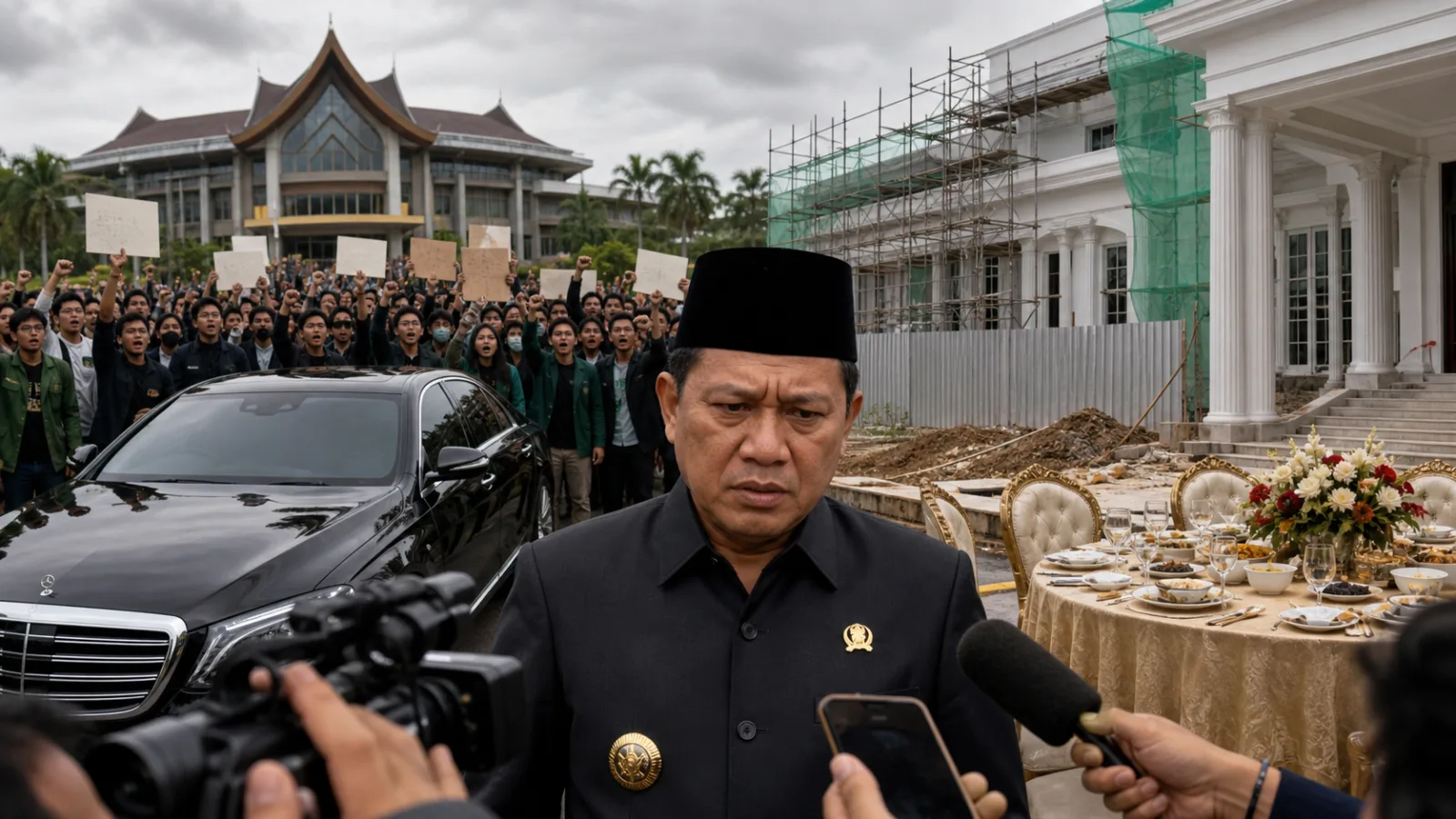
Infrastructure development often becomes a source of conflict between the government and the community. The government must carry out the land acquisition process and implementation of infrastructure projects in accordance with applicable legal provisions.
Business licensing
The process of granting business licenses must be based on applicable legal provisions. The government must verify and evaluate applicants for business licenses to ensure that they meet the established requirements. This process must also be transparent and accessible to the public.
Land use
Land use that is not in accordance with legal provisions can lead to conflicts between landowners and the government. The government must carry out the land acquisition process transparently and provide fair compensation to affected landowners. In addition, the government must also ensure that land use does not damage the environment and the health of surrounding communities.
Conclusion
State administrative law or governance law is an important part of the Indonesian government system. The principles contained in this law include the principles of legality, proportionality, legal certainty, and openness must be applied properly in every government action. The implementation of governance laws must also be done transparently and fairly to protect the rights of citizens.
Several cases in governance law such as infrastructure development, granting business licenses, land use, taxes, and consumer protection must be handled wisely and proportionally. The dispute resolution process must be conducted fairly and objectively to achieve justice for all parties.
FAQs
What is state administrative law?
Laws that regulate government actions in carrying out their duties and functions to fulfill the public interest.
Who is responsible for administering state administrative law?
The task of implementing state administrative law or governance law lies with government officials such as regional heads, civil servants, and others related to the implementation of government duties.
Does state administrative law only apply in Indonesia?
This law applies worldwide and is not limited to Indonesia. Each country has different regulations regarding governance law.
How is public administration law different from criminal law?
State administrative law and criminal law are two different types of law. State administrative law regulates the actions of the government in carrying out its duties while criminal law regulates criminal acts committed by individuals.
How to file a lawsuit related to state administrative law?
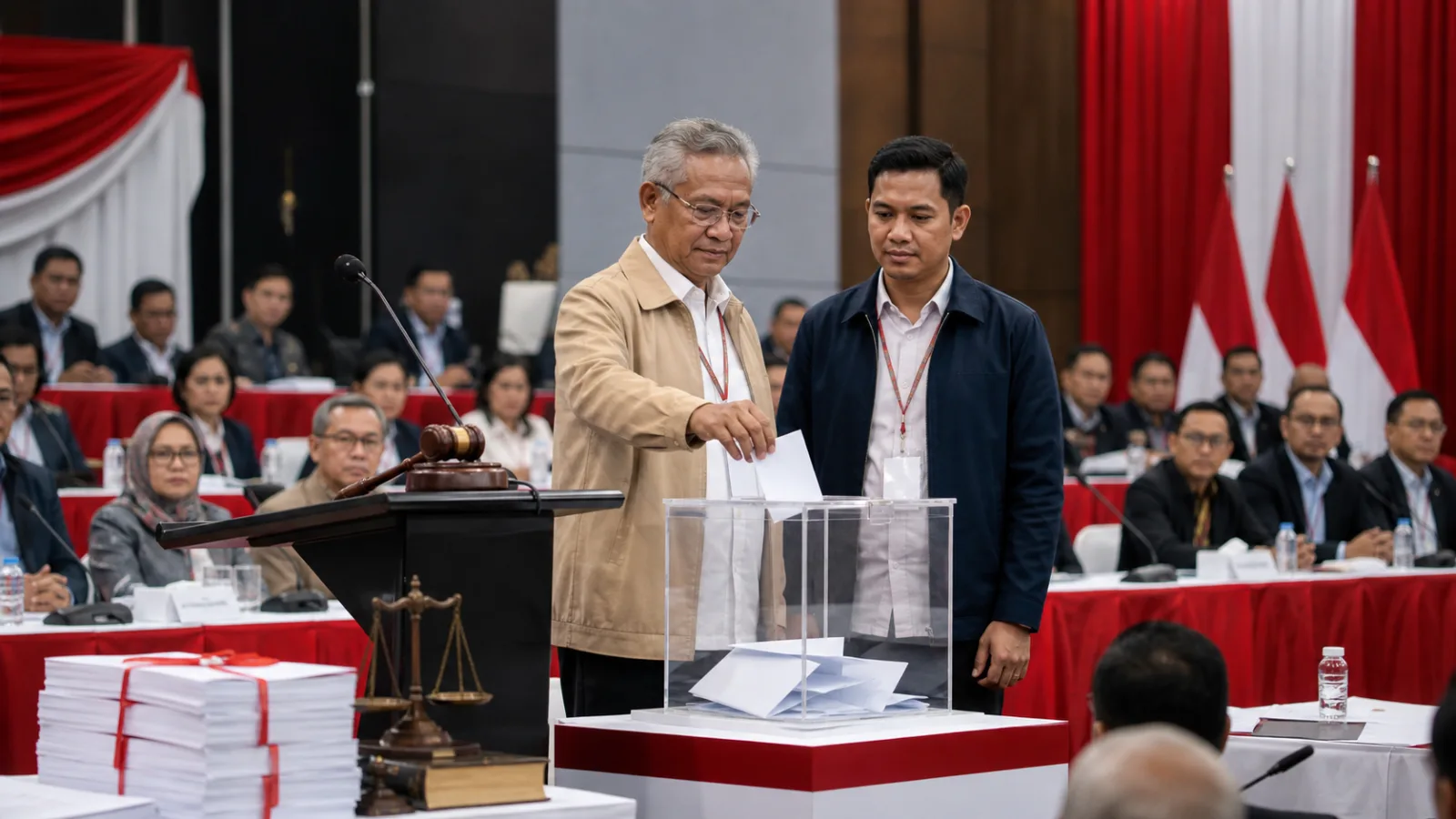
To file a lawsuit related to the law, a person can apply to the State Administrative Court (PTUN) after making administrative efforts first. The process of filing a lawsuit must fulfill the requirements prescribed by law.




















Comments
0Share your perspective politely, stay relevant, and focus on the article. Comments appear after moderation.
Join the discussion
Write a clear, polite response that stays on topic.
No comments yet. Be the first to discuss.
Comments will appear after moderation.