
Legal Literacy - This article discusses legal culture (legal culture) online beggars. Let's take a look at the explanation.
Written by: Abdi Fahmil Hidayat (Student of Law and Researcher at the Center for Legal Studies and Consultation, Nurul Jadid University)
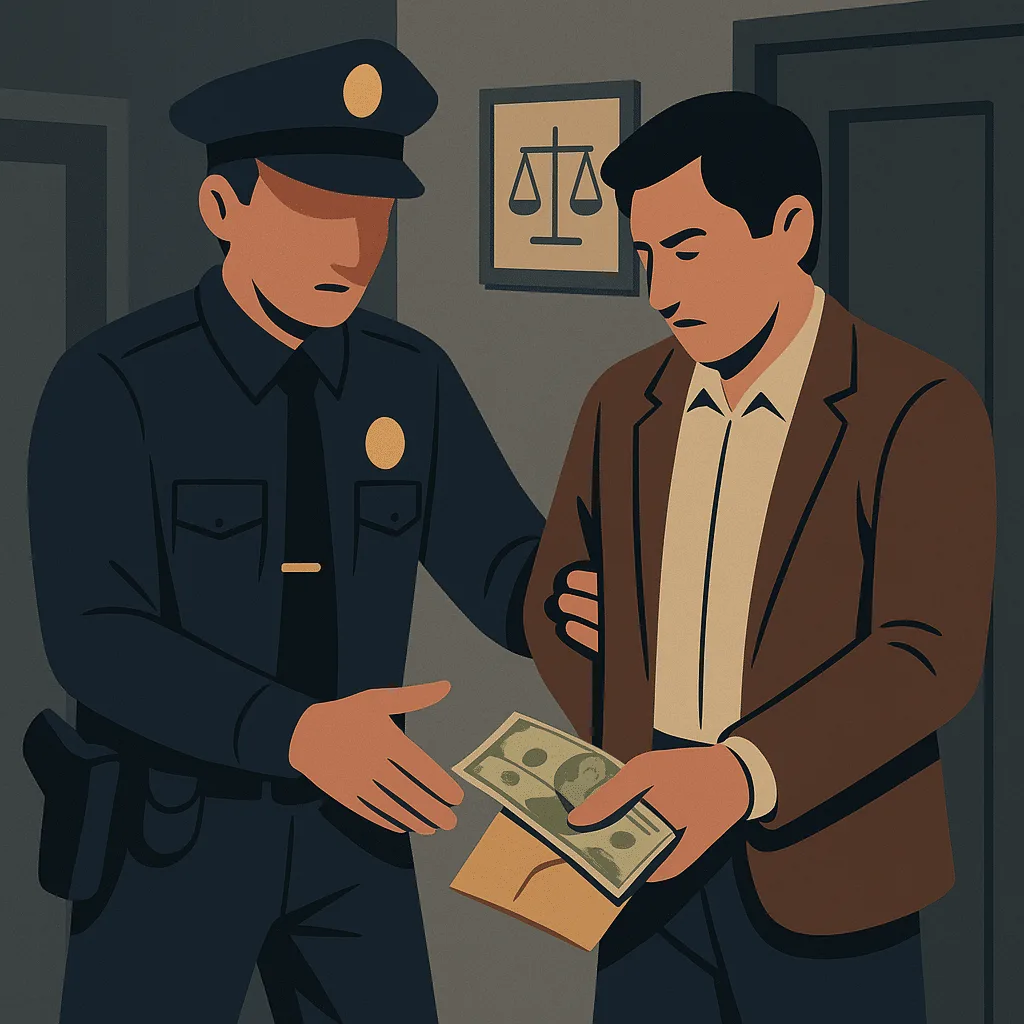


Definition of Legal Culture
Legal culture is a way of life and thinking that reflects respect for the law, both in written and unwritten forms. This culture law becomes the foundation for society in behaving and solving problems.
Some definitions of legal culture according to experts:
- Lawrence Friedman: Legal culture is the totality of beliefs and attitudes that people have towards the law.
- Purwo Soedarmo: Legal culture is the overall system of values, attitudes, and behavioral patterns in society related to law.
- Satjipto Rahardjo: Legal culture is a set of values, norms, and habits that govern human behavior in relation to the law.
Elements of legal culture:
- Legal knowledge: Society has knowledge of the laws in force in their country.
- Legal understanding: Society understands the meaning and purpose of the law.
- Legal attitude: Society has a positive and obedient attitude towards the law.
- Legal behavior: Society behaves in accordance with applicable law.
Levels of legal culture:
- Low level: Society does not yet have good knowledge and understanding of the law.
- Medium level: Society already has knowledge and understanding of the law, but is not yet fully obedient.
- High level: The community has knowledge, understanding, and a positive attitude towards of law, and adheres to applicable laws.
The importance of legal culture:
- Creating public order and security.
- Realizing justice and legal certainty.
- Protecting the rights and obligations of the community.
- Encouraging dignified national development.
Legal Culture "Online Beggars"
Legal culture is the values, thoughts, and expectations of rules or norms in the social life of society. The laws created are ultimately determined by the legal culture in the form of values, views and attitudes of the community concerned. If the legal culture is ignored, it is certain that there will be a failure of the legal system, marked by the emergence of various legal symptoms or phenomena such as "Online Beggars" which is currently a hot topic of discussion in Indonesian society.
This phenomenon shows that the desired legal culture is still far from what is expected, seeing the lack of public awareness regarding the law itself. This can be seen in how the public still tends to commit legal violations intentionally.
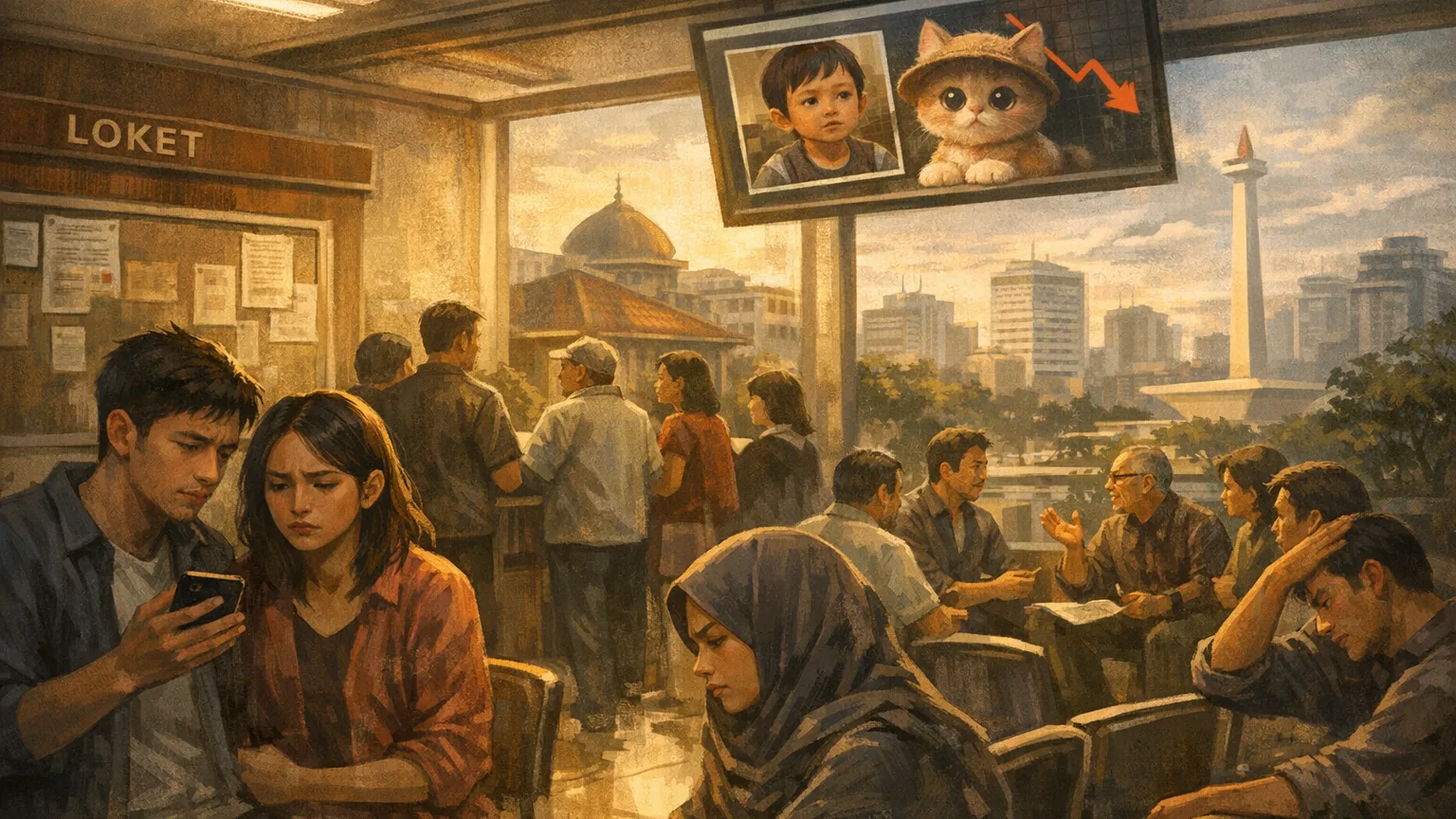
The phenomenon of "Online Beggars" is rife on TikTok social media. Various methods are used, such as soaking themselves in mud puddles, drenching their bodies with water, and even taking unnatural actions to get a gift. This has received various criticisms from the public because those who are exploited are often vulnerable groups, including children, parents, the elderly and even people with disabilities.
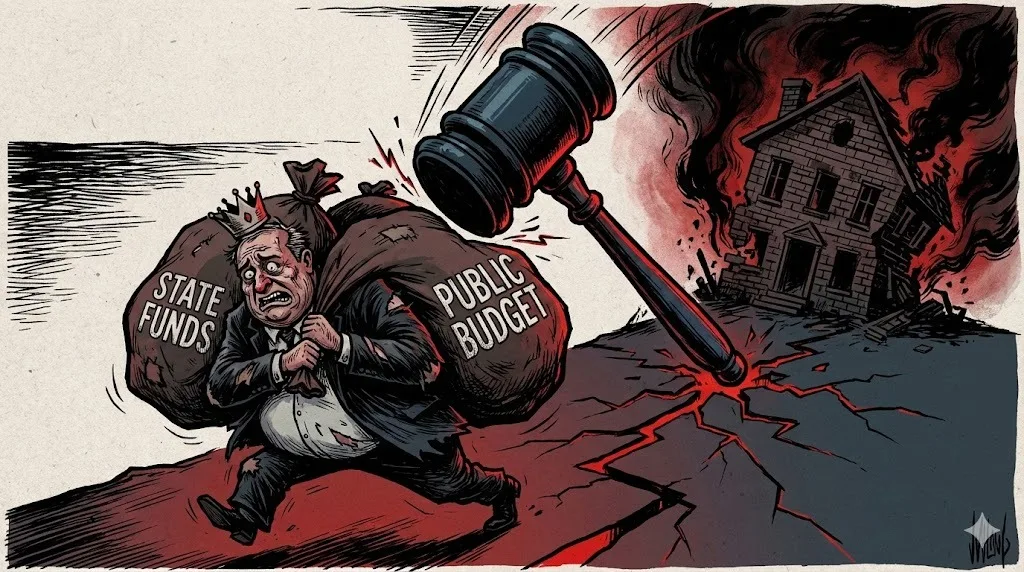
Legal culture (legal culture) can be seen from the lack of firm attitude shown by law enforcement officials towards "online beggars" who are proven to be begging on TikTok social media. In my opinion, the attitude of law enforcement officials above shows that the legal culture of these law enforcement officials is still not good. Cultural factors and community factors above have turned out to play a role in hindering the implementation of enforcement criminal law in order to combat "online beggars".
One of the causes of this phenomenon is closely related to community factors, namely the environment in which the law applies or is applied, and cultural factors, which include the values that grow and live in people's lives regarding what is considered good (so it is followed) and what is considered bad (so it is avoided).
Our community culture is very thick with the values of humanity and brotherhood. Community culture requires every member to love each other and provide assistance to those in need. These values cause some members of the community to sympathize with online beggars by giving money.
However, recently, the Minister of Social Affairs of the Republic of Indonesia, Tri Rismaharini, issued a circular (SE) which is addressed to local governments to take action against the phenomenon of online begging that is rampant on the TikTok application. The circular is numbered 2 of 2023 concerning the Order of Exploitation Activities and/or Begging Activities that Exploit the Elderly, Children, Persons with Disabilities, and/or Other Vulnerable Groups.
The Minister of Social Affairs' circular also regulates the actions that must be taken if exploitation activities as intended are found. Local governments (Pemda) and the public are asked to report to the Indonesian National Police and the Public Order Security Unit if they find begging and/or exploitation activities of the elderly, children, persons with disabilities, and/or other vulnerable groups.
Not only that, local governments are asked to provide protection, social rehabilitation, and assistance to the elderly, children, persons with disabilities, and/or other vulnerable groups who have become victims of exploitation through begging, both offline and online on social media. This is because begging activities, both offline and online, are categorized as disturbing public order.
The polarization of begging or soliciting activities, both online and offline, is developing so rapidly and quickly that it is very difficult to identify as begging activities, especially when organized through official or legal social institutions.
There is a transition in the concept of begging in the modern era that is more controlled, planned, programmed, and not only carried out by Persons with Social Welfare Problems (PMKS), but is played by intellectual actors by exploiting vulnerable groups such as parents, children, the elderly, and even persons with disabilities.
In addition to the role of the government, the role of the community is very much needed in overcoming this phenomenon. Because the community can influence law enforcement, ideally the community should participate in the implementation of law enforcement to overcome this phenomenon.
One of the effective efforts to overcome the phenomenon of "online beggars" is through preventive measures in the form of providing education and socialization of various laws and regulations in order for these online beggars to comply with and obey the law and uphold the rule of law in Indonesia.
*This article is the personal opinion of the writer and does not represent the views of the editors of Legal Literacy Indonesia.


















Comments (0)
Write a comment