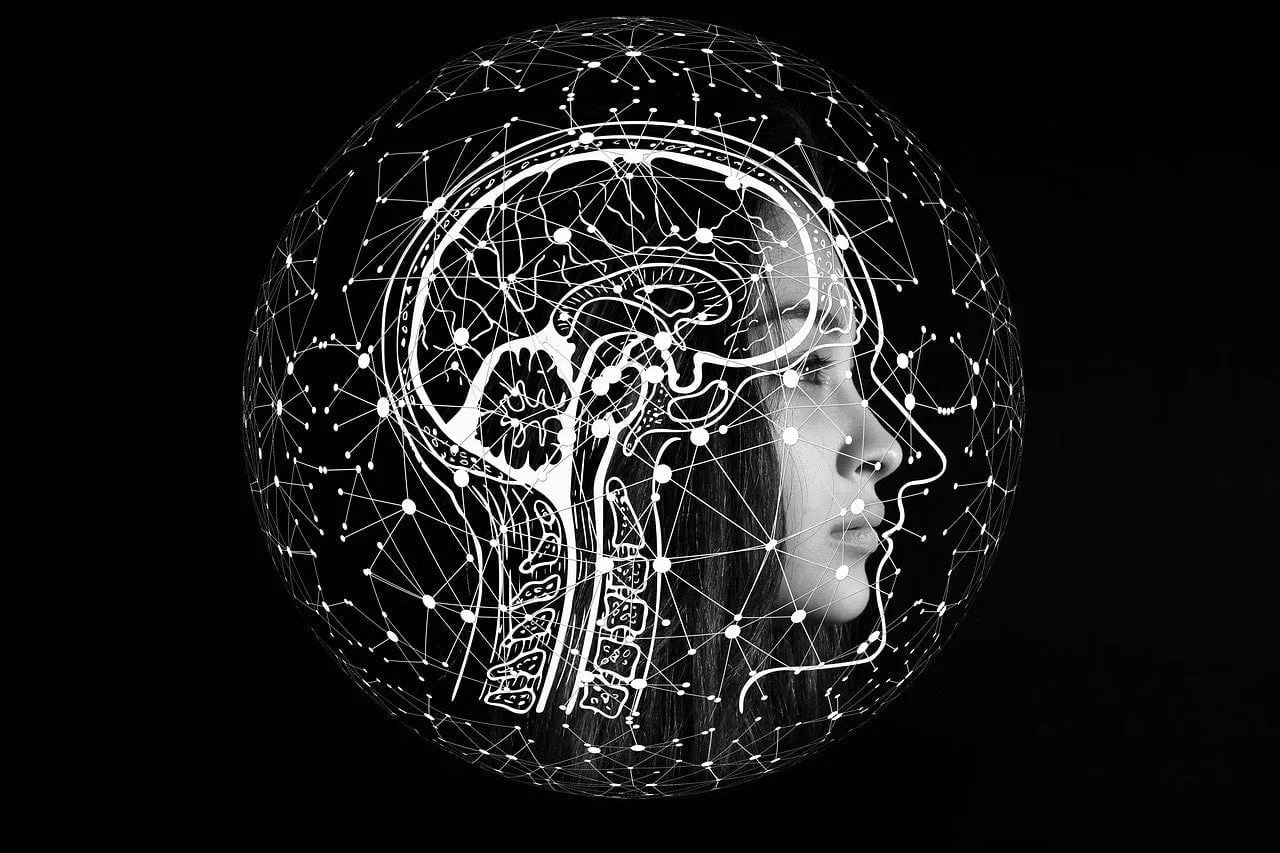
Legal Literacy- Technology is developing so rapidly in this century, giving rise to various sophisticated inventions that are very influential on human life, one of which is Artificial Intelligence (AI), which was originally initiated in 1955 by John McCarty. At a conceptual level, the smarter the system, the more likely it is to have legal consequences. Given the intelligence of the system, should its legal protection be regulated in the same way as humans?
Discussion Regarding Artificial Intelligence
Various discussions that discuss about Artificial Intelligence (AI) are numerous, such as the European Parliament's Committee on Legal Affairs in 2016 regarding the urgency of private law for artificial intelligence, to Yueh-Hsuan Weng in 2009 at Peking University who reviewed the preparation of the legal order by the governments of South Korea and Japan so that there would be a harmonious relationship between their citizens and artificial intelligence.


In Indonesia, discussionsArtificial Intelligence (AI) are not yet widespread, and it is very clear that there are no legal regulations related to artificial intelligence in Indonesia. However, if viewed contextually, AI can be allowed to gain recognition as a breakthrough legal subject new.
Artificial Intelligence in Indonesia
Looking at the existing legal arrangements, weArtificial Intelligence (AI) can analyze it in the Civil Code (KUHPer). Workers are an analogy given by the Civil Code indirectly. Basically, AI was created to help humans in carrying out their activities. Thus, we can certainly analogize AI as workers who have a legal relationship with their employers as stated in Article 1367 paragraphs (1) and (3) of the Civil Code which reads:
“(1) A person is not only responsible for losses caused by his own actions, but also for losses caused by the actions of people for whom he is responsible or caused by goods under his supervision.” And (3) Employers and people who appoint other people to represent their affairs are responsible for losses published by their servants or subordinates in carrying out the work for which these people are employed”
The Artificial Intelligence (AI) system has characteristics as a worker as in its application which helps human work. In this case, if viewed from the relationship between worker and employer, then the one who owns the AI as the employer is responsible for any errors/negligence from the AI.
On the other hand, there is a similarity between the legal relationship between AI and employers with the legal relationship between animals and animal owners. Thus, if AI is analogized as a worker, then it is also possible to analogize AI as an animal. This is as regulated by the Civil Code that if an animal causes harm, then the burden of responsibility is transferred to the animal owner. However, analogizing AI as an animal can be debated because it must be analyzed again from a theoretical and philosophical perspective.















Comments
0Share your perspective politely, stay relevant, and focus on the article. Comments appear after moderation.
Join the discussion
Write a clear, polite response that stays on topic.
No comments yet. Be the first to discuss.
Comments will appear after moderation.