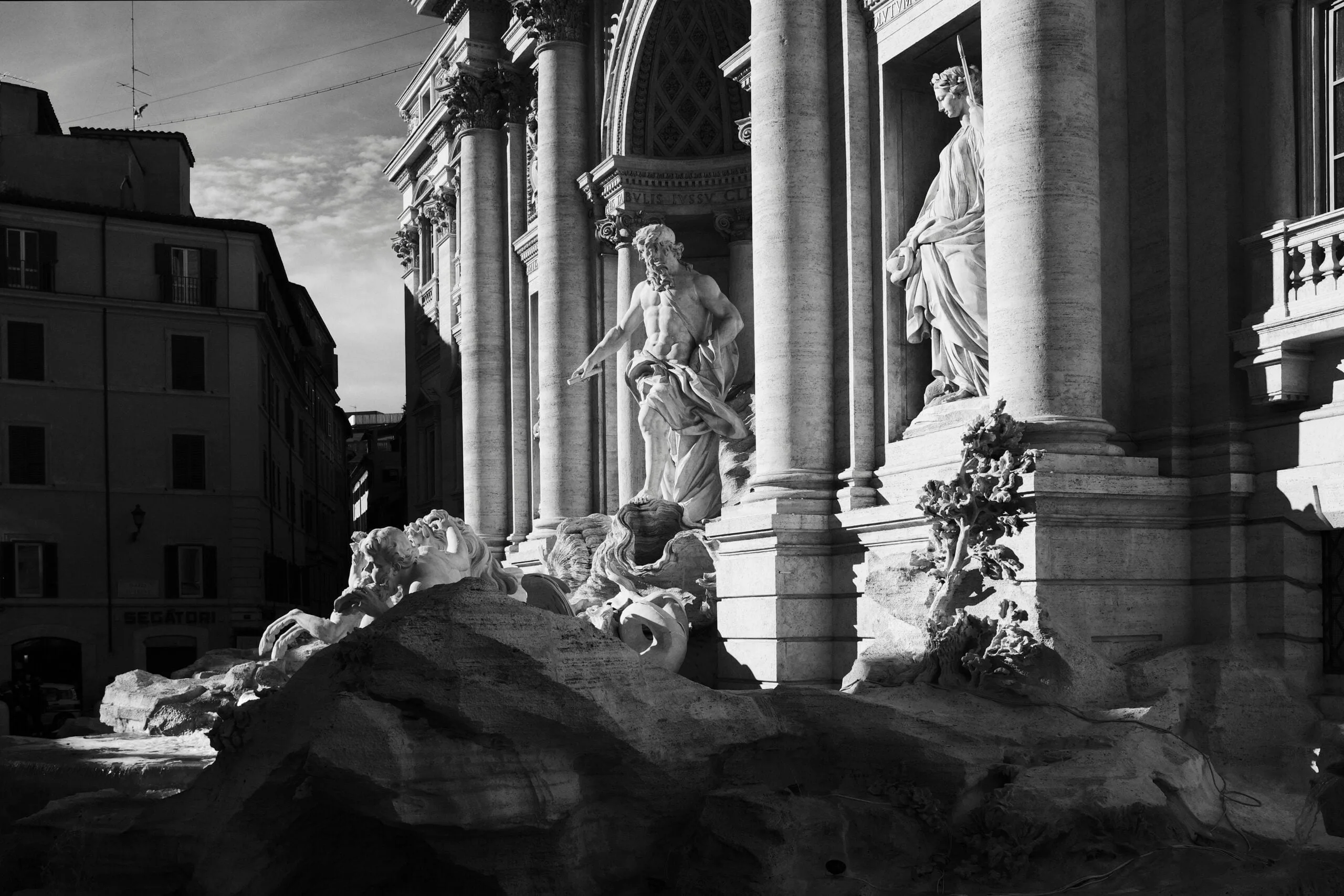
Legal Literacy - A creation can be copyrighted if it meets at least 3 requirements, namely in accordance with the classification, has a tangible form, and is original. This article will discuss these three requirements.
Copyright Protection for Creations
There are many works created by artists and we take part in enjoying them. We enjoy novel books compiled by famous authors and become favorites of many people. We enjoy songs played through music players after being released by a group of veteran singers. We also enjoy the rows of magnificent skyscrapers that fill the urban landscape thanks to the ideas of brilliant architects.


The existence of each work has a close relationship with the artists who form them. The book writer is closely related to the novel we read, as are the singers to the songs we hear and the architects to the buildings we observe.
Why is this relationship created? According to Robert P. Merges, in his book Justifying Intellectual Property, the relationship arises because artists are able to get at least 2 benefits from the existence of the work. The first advantage is reputation, while the second advantage is economic advantage.
Artists are able to achieve a reputation because the work becomes a form of expression of their existence. The work makes the public aware of the existence of the artist. If the public accepts the work, the artist will get recognition which collectively contributes to increasing their reputation.
The same mechanism applies to economic benefits. The only difference lies in what the artist receives. In the context of economic benefits, the frequency of utilization of a work is directly proportional to the frequency of financial income experienced by the artist. This happens thanks to commercialization efforts that utilize the existence of the work.
Due to these 2 advantages, the relationship between the artist and the work they own becomes a relationship protected by copyright law. In fact, this relationship forms the basis of copyright law, starting from the position between the artist and the work to the recovery process that can be obtained by the artist if his work has been violated and brings significant losses to the artist. Further arrangements can be seen through legal instruments at the local and international levels.
Indonesia is one of the countries that provides copyright protection for the relationship between artists and the works they create. This protection is mainly regulated through Law Number 20 of 2014 concerning Copyright ("Copyright Law"). It should be noted that, in implementing copyright protection, the Copyright Law regulates provisions containing certain terminology.



















Comments
0Share your perspective politely, stay relevant, and focus on the article. Comments appear after moderation.
Join the discussion
Write a clear, polite response that stays on topic.
No comments yet. Be the first to discuss.
Comments will appear after moderation.