Introduction
Legal Literacy- In recent years, the world has witnessed a major transformation in the global financial system through the presence of decentralized digital currencies. It was initially pioneered by a digital currency called
Bitcoin. In a decentralized and unregulated
peer to peer (p2p) ecosystem, the main obstacle to creating digital currency is
trust , also called
The Byzantine General’s Problem.
[1]as an example of how we can trust an unregulated system to work well without
error or
fraudso that it can create
trust against
userwho use the system. The presence of regulators regulates not only making rules but also as supervisors in commercial activities so that these activities can be carried out fairly and regularly, thereby protecting the interests of consumers or business actors who run the system. The presence of
Bitcoinin 2009 through the publication
research paperentitled
Bitcoin: A peer to peer electronic cash system written by a person with the pseudonym Satoshi Nakamoto.
[2]Bitcoinitself was created with a technology called
Blockchainusing cryptographic technology to store value in data blocks and distribute it into an ecosystem where every data input into the block will be verified by all
minerso that the data in the block is transparent and accountable. This scheme is able to build trust among the public that a system operating without regulation can run transparently and perform economic functions like a conventional banking system supervised by regulators.
[3]This is evidenced by the emergence of various decentralized financial activities
Decentralized Finance(DeFi) as of July 2025 the DeFi market size is around 139.74 billion USD.
[4]as well as the tokenization process for real-world assets (
real-world assets), such as Government Bonds and other financial instruments, According to the report
McKinsey & Companyin the summer of 2024, the financial products most likely to be tokenized by 2030 are cash and deposits, bonds, loans, and ETFs. This estimate is compiled from various sources to project how large the real-world asset tokenization market will be (
real-world asset) and what types of financial products are most likely to adopt it. Since 2024, the topic of tokenization on
blockchainhas received widespread attention, although estimates of its market value vary widely between sources, as the financial industry seeks ways to improve technology and respond to increasing regulatory pressures.
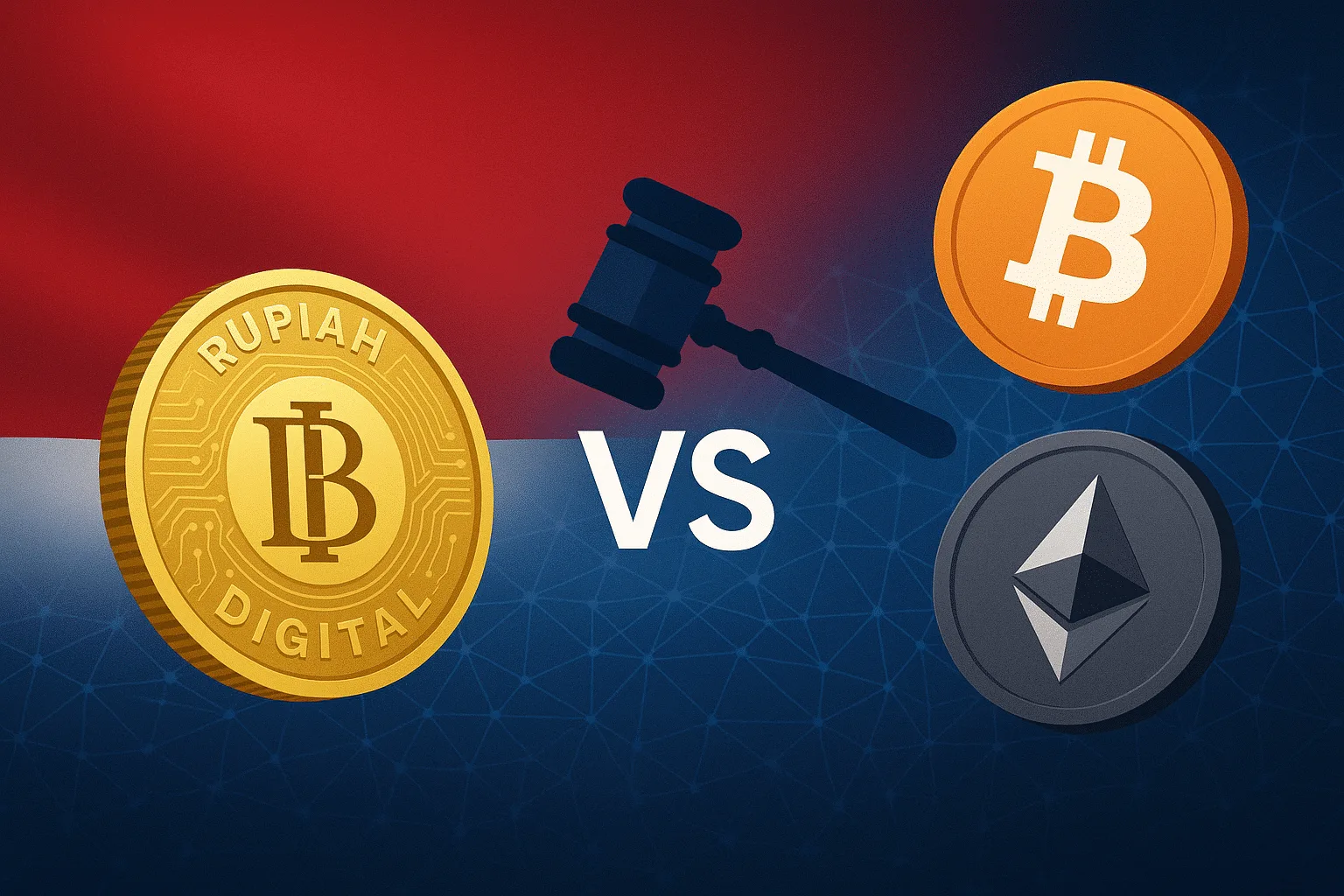
[5]The development of blockchain technology that offers a monetary system through decentralized and unregulated digital currencies is encouraging central banks to respond by issuing Central Bank Digital Currencies (CBDC). CBDCs are official digital currencies issued by central banks and are under government regulation.























Comments
0Share your perspective politely, stay relevant, and focus on the article. Comments appear after moderation.
Join the discussion
Write a clear, polite response that stays on topic.
No comments yet. Be the first to discuss.
Comments will appear after moderation.