Legal Literacy - This article explains the Ultra Petita decision as part of the new direction of judicial progressiveness in law enforcement.
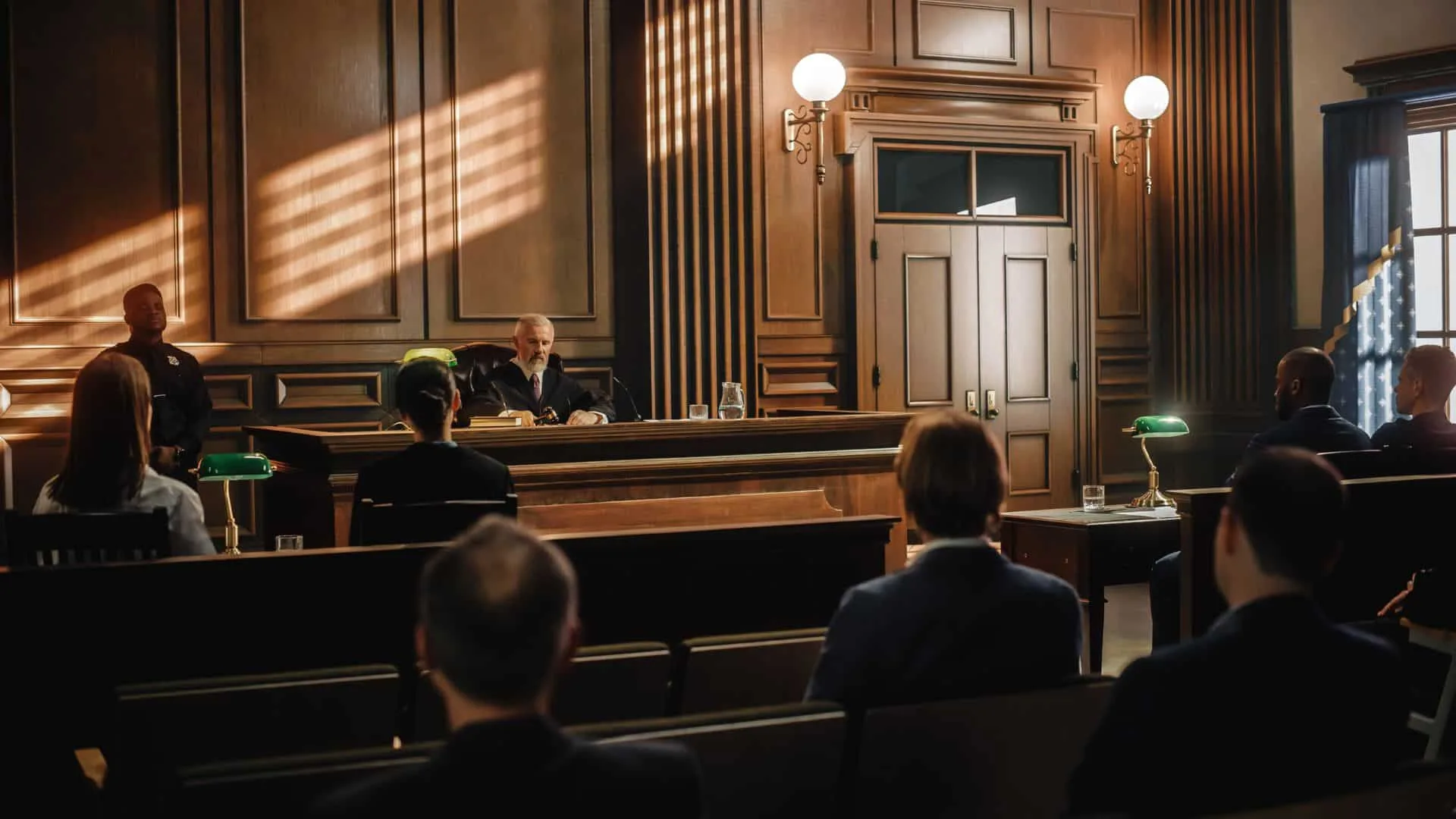
Domiunt aliquando leges, nunquam moriuntur. The law does not die, it is only asleep and about to awaken. A legal adage and a metaphorical, even somewhat hyperbolic, expression that more or less represents the situation that occurred in the courtroom of the South Jakarta District Court when the panel of judges handed down verdicts one by one against the defendants in the premeditated murder case of Brigadier Yosua Hutabarat.


If we try to go back to a time long before this case was submitted to the Court for trial, public pessimism is still unavoidable. This condition of public anxiety is not unfounded if we try to look at it from the point of view of power relations: who is involved, then what rank and from which institution. The public learns from experience that cases involving public officials, even law enforcement officials themselves, often only result in disappointment, whether it's a light sentence or ends in a reduction of detention time.
After reading all the extremely thick, long and tiring verdict files, the Panel of Judges, led by Judge Wahyu Imam Santoso, in a faltering and trembling tone and voice, firmly and bravely handed down a criminal verdict of death against the defendant Ferdi Sambo.. Not even a few seconds after the gavel was struck, the emotionally charged cheers of the trial visitors filled the atmosphere of the courtroom, which had initially been tense and thrilling, with a long sigh of relief and satisfaction.
After reading all the extremely thick, long and tiring verdict files, the Panel of Judges, led by Judge Wahyu Imam Santoso, in a faltering and trembling tone and voice, firmly and bravely handed down a criminal verdict of death against the defendant Ferdi Sambo. Not even a few seconds after the gavel was struck, the emotionally charged cheers of the trial visitors filled the atmosphere of the courtroom, which had initially been tense and thrilling, with a long sigh of relief and satisfaction.
The difficult and winding road full of problems taken by the Panel of Judges of the South Jakarta District Court should be the right momentum to revive and foster new optimism about the independence and freedom of the judiciary and efforts to re-legitimize public trust in the "representatives of God" to provide justice, legal certainty and benefits. However, it should also be remembered that this case is not final or does not have permanent legal force (in kracht van gewijsde) because the defendants and their legal advisors will certainly make various legal efforts, both in the form of appeals to the High Court and cassation to the Supreme Court later.




















Write a comment