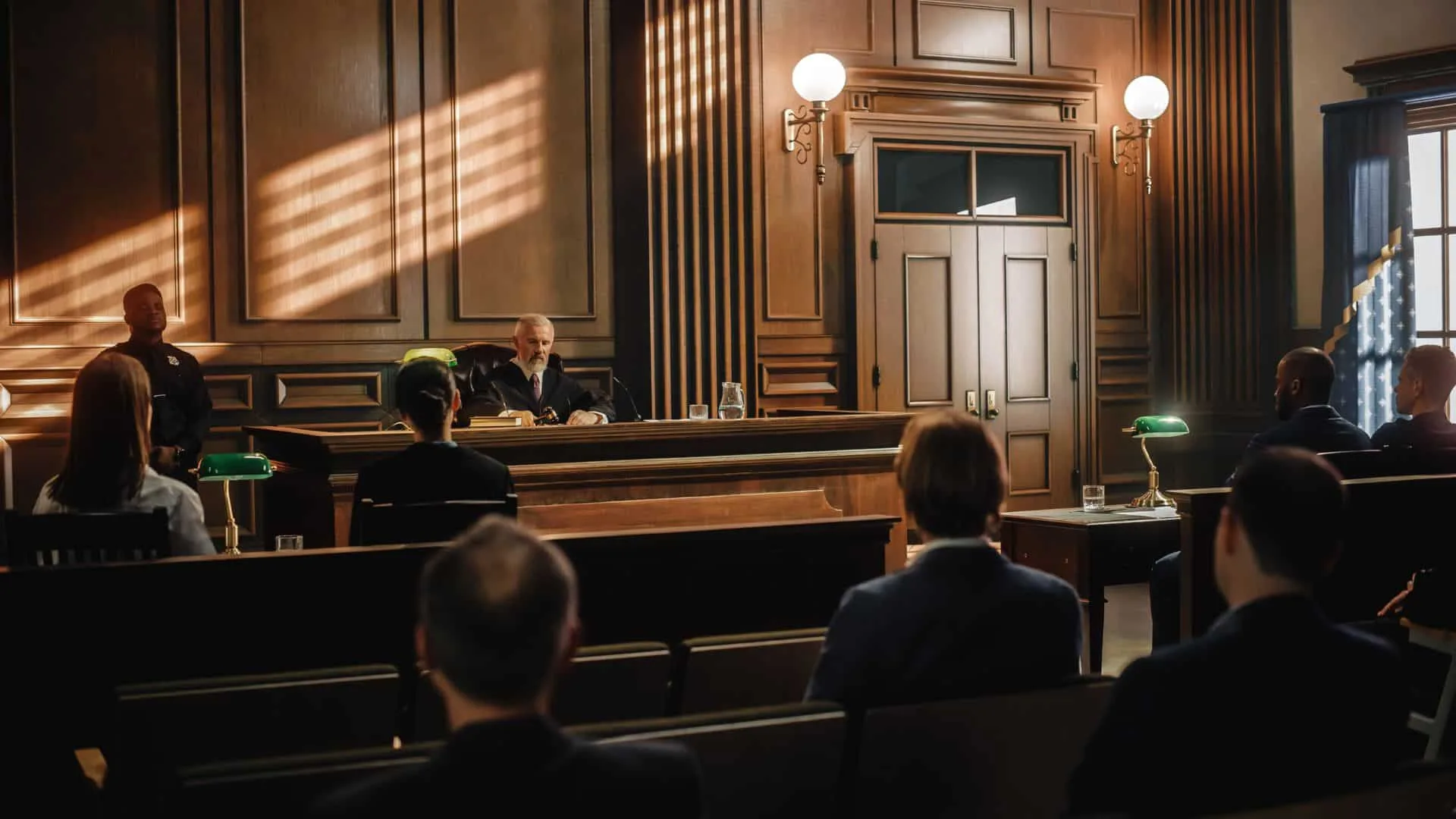
Starting from a series of stages and phases that have been passed (starting from the reading of the indictment to ending with the reading of the verdict), there is one other thing that has resurfaced to the public regarding the length of the sentence given by the Panel of Judges which is much higher than what the Public Prosecutor demanded.
Ultra Petita Decision in the Criminal Procedure Law Framework
For some parties, of course, this decision is very surprising. However, in the world of procedural law practice (formal), this kind of event is common and not something foreign and prohibited to do. Apart from some parties who are against the existence of the Ultra Petita decision, it does not deny that the existence of the Ultra Petita decision has long been known and quite widely applied, although rarely done.


Referring to its definition, the Ultra Petita Decision is a decision on a case that exceeds what is demanded or requested by the Public Prosecutor. In simple terms, Ultra Petita is exceeding what is requested. Although in practice the Ultra Petita Decision is allowed, the freedom of a Judge in making a decision is limited by the indictment from the Public Prosecutor as regulated in Article 182 Paragraph (4) of the Criminal Procedure Code.
Therefore, the Ultra Petita Decision in the settlement of criminal cases is not prohibited as long as in making a decision a Judge may not decide outside the article charged by the Public Prosecutor, and is prohibited from giving a decision exceeding the maximum threat or below the minimum threat stated in the article charged.
In connection with this, a Judge in making a Decision has freedom and independence. If a Judge has to choose and decide a case in a Ultra Petita manner, it must also be accompanied by mature considerations without setting aside the principles of justice, expediency and legal certainty.
Judges and Progressive Law
One of the characteristics of a country that adheres to the continental European system is the codification of law in writing as a form of application of the principle of legality which prioritizes legal certainty. But on the other hand, this condition is often trapped in two things, namely the position of the Judge who is legalistic with a positivistic thinking paradigm who is only a mouthpiece of the law, and the delay of the law to accelerate, adapt and keep up with the changes in society that are increasingly rapid and dynamic like now, where the legal problems faced by society are increasingly diverse and demand immediate solutions.





















Write a comment