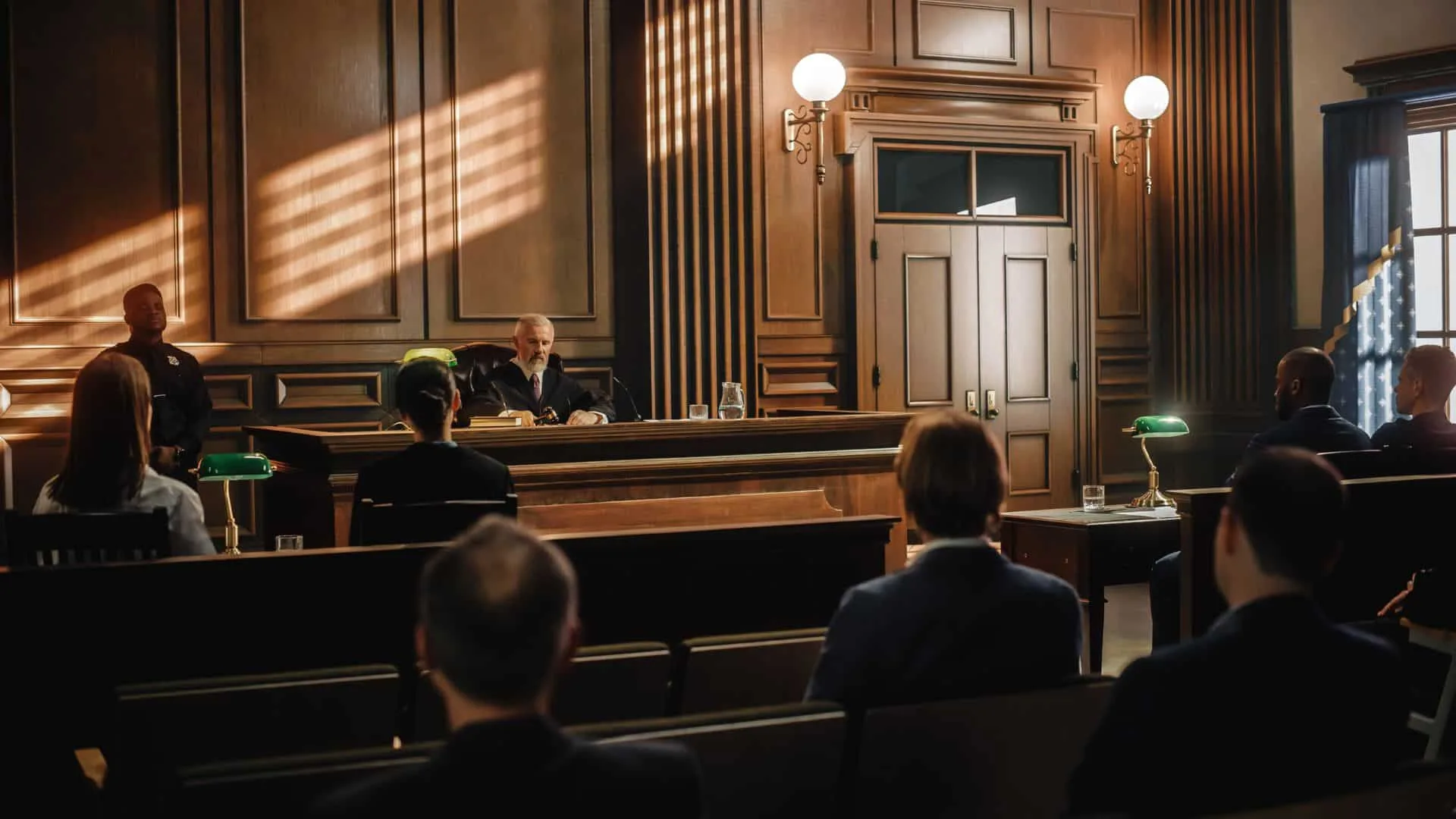
As a result of this condition, a Judge often faces a dichotomy between procedural formalism which is the guideline for implementing procedural law and the sense of justice that lives in the community. So what happens is that a Judge in deciding a case is actually trapped in the procedural shackles created by formalism-positivism which only relies on a set of methodological tools and legal understanding based on written regulations alone. Consequently, the essence of the search for justice values scattered in the courtroom is alienated by limited and rigid procedures.
This situation causes a dichotomy of orientation and even segregation of the spiritual dimension of a Judge who is supported by his belief in deciding a case with procedural fences. Even though textually, as outlined in Law Number 48 of 2009 concerning Judicial Power, it requires Judges to explore the values that live in society, which philosophically means requiring judges to make legal discoveries and create law.


Answering this problem, one of Indonesia's legal maestros, Prof. Satjipto Rahardjo, offered a recipe called Progressive law. A term that is cool enough to say. The essence of this progressive legal recipe lies in the way of thinking and acting progressively which frees it from the shackles of legal document texts which in principle aim to restore the values of judicial independence in examining, adjudicating and deciding a case as well as possible so as to provide a decision based on truth, justice and expediency.
Referring to Rudi Suparmono's opinion as quoted in Ahmad Rifai's book, Legal Discovery by Judges in the Perspective of Progressive Law, p. 3, he said that a Judge's decision will only feel so respected and have values of authority, if the decision can reflect the sense of legal justice in society and is also a means for justice seekers to obtain truth and justice.
Even through the spiritual dimension, a Judge will reflect on himself and question his own conscience, whether the decision he has made is fair and beneficial or vice versa. This is the sector that is not owned by positive law. When compared to evidence, the Judge's belief has a far more strategic role in determining a person's fate through the gavel he holds. Therefore, criminal procedure law adheres to a negative evidentiary system as regulated in Article 183 of the Criminal Procedure Code.
As part of self-criticism and an effort to clarify the discourse on this matter, the author hopes that in interpreting the progressiveness of Judges it should not be negated on freedom without a basis or abuse of power, but rather fundamental and responsible freedom and free from all forms of intervention, dictation and influence from various forces that influence a Judge in deciding a case.
In short, a Judge should be progressive in attitude and action and dare to break through legal rigidity with the aim of providing justice. From the path taken by the Panel of Judges of the South Jakarta District Court, the public has at least learned and realized that there is still a glimmer of light and time to start a new record towards a clean, authoritative and wise law enforcement ecosystem, and that immunity and immunity from legal entanglement do not always protect tyrannical rulers.
*This article is the personal opinion of the author and does not represent the views of the Indonesian Legal Literacy editorial team.





















Write a comment