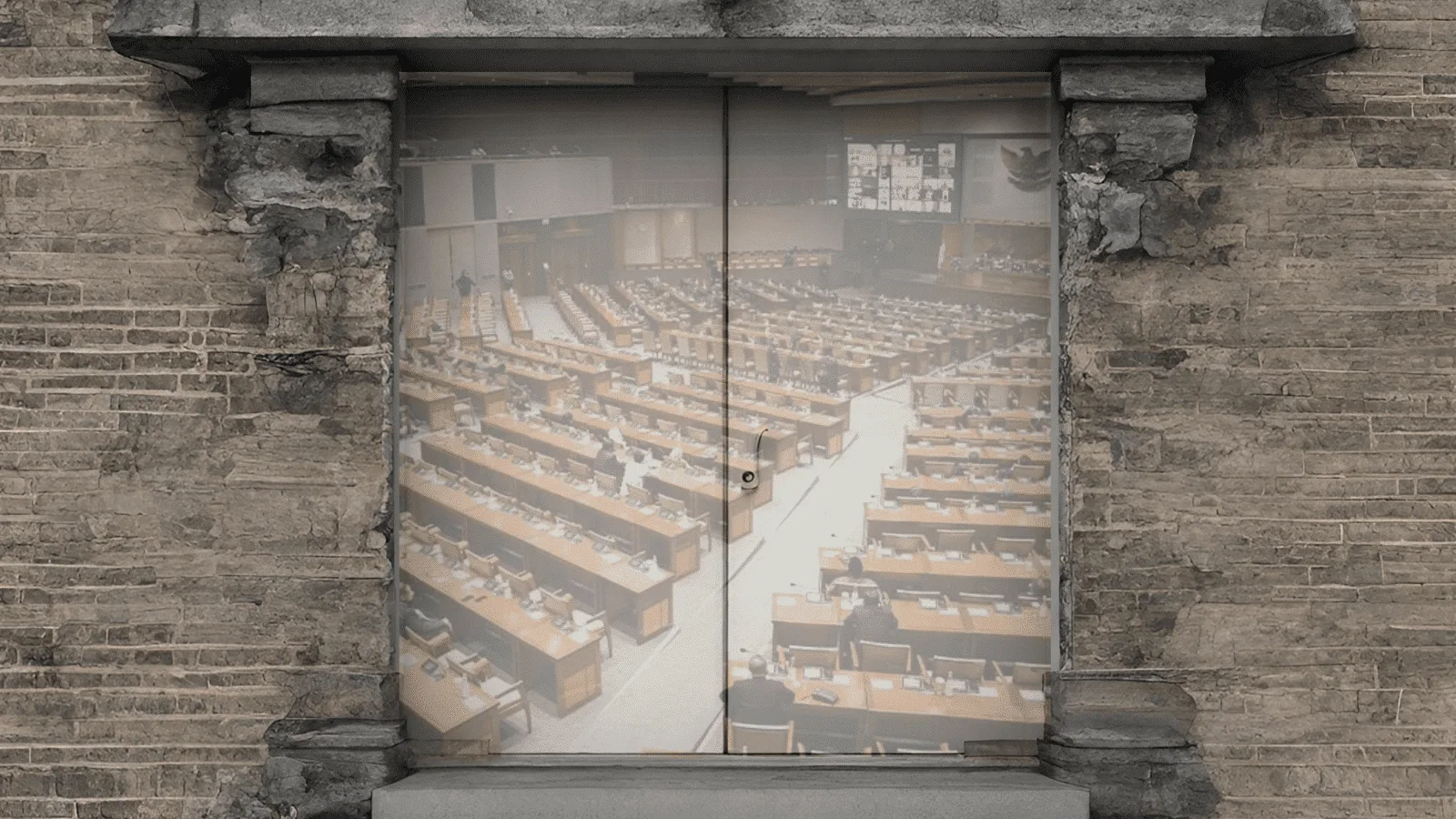
Legal Literacy - The parliamentary threshold is the minimum percentage of votes a political party must obtain to gain seats in parliament, with the aim of strengthening partisanship and increasing political stability. This article discusses the benefits, challenges, and alternatives to the parliamentary threshold, including the proposed 1 percent threshold by Perludem. In determining the ideal threshold, it is necessary to consider the people's right to vote, the strength of the party system, and the effectiveness of government. This article emphasizes the importance of understanding the political and social context before implementing a threshold.
Introduction
The parliamentary threshold is the minimum percentage of votes a political party must obtain in order to gain seats in parliament. The application of this system aims to strengthen the party system, increase political stability, and encourage the formation of an effective government.
Benefits of the Parliamentary Threshold
- Strengthening the Party System:The threshold encourages the consolidation of political parties, resulting in larger and stronger parties. This can increase the accountability and effectiveness of parties in carrying out their functions.
- Increasing Political Stability:A system with a threshold can help reduce political fragmentation and produce a more stable government. With fewer parties, the policy-making process and coalition formation are expected to be easier and more efficient.
- Encouraging Effective Governance:With larger and stronger parties, it is hoped that the government formed will be more effective in carrying out its programs. This is because these parties have more adequate resources and infrastructure.
























Write a comment