
A Wounded Sense of Justice
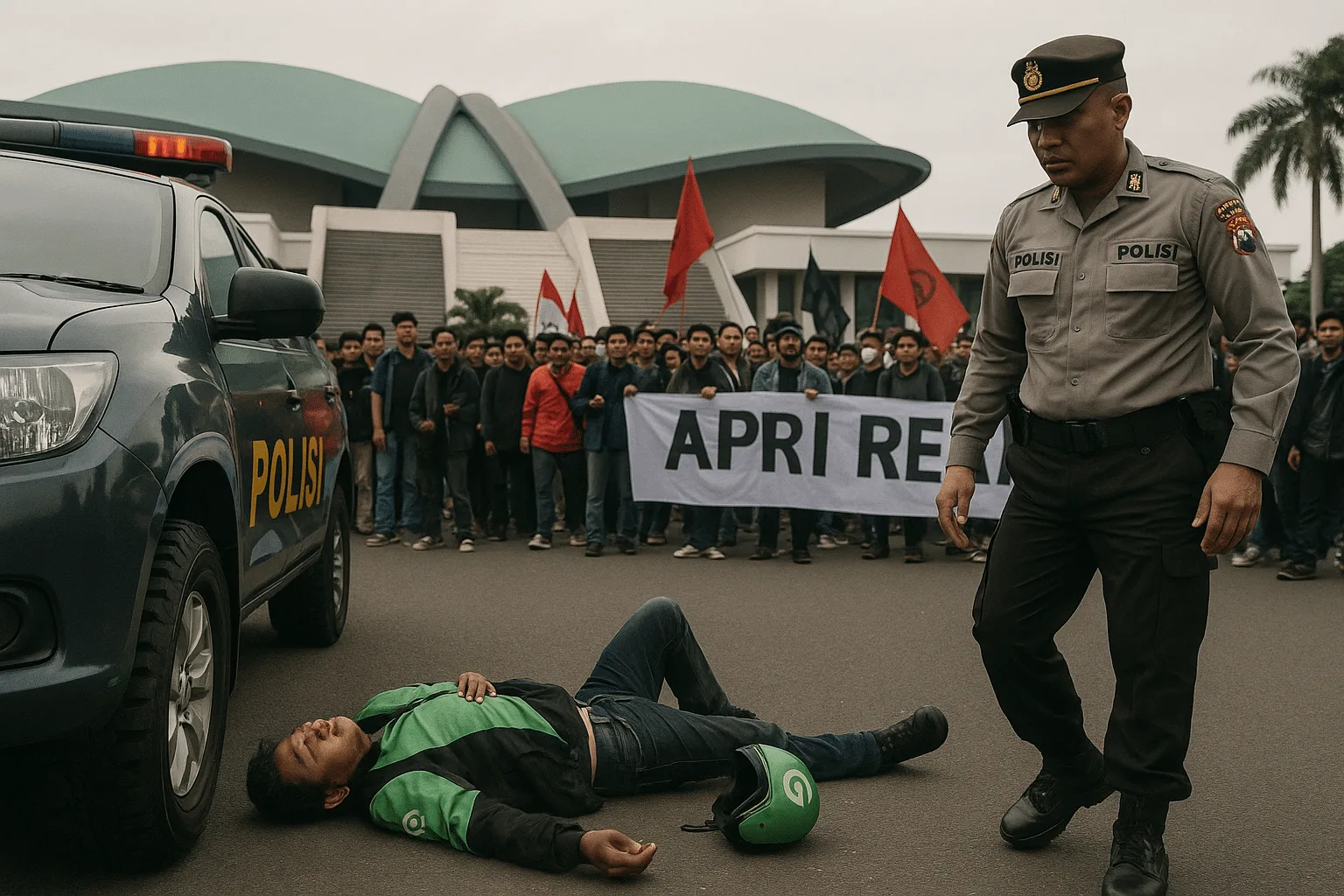
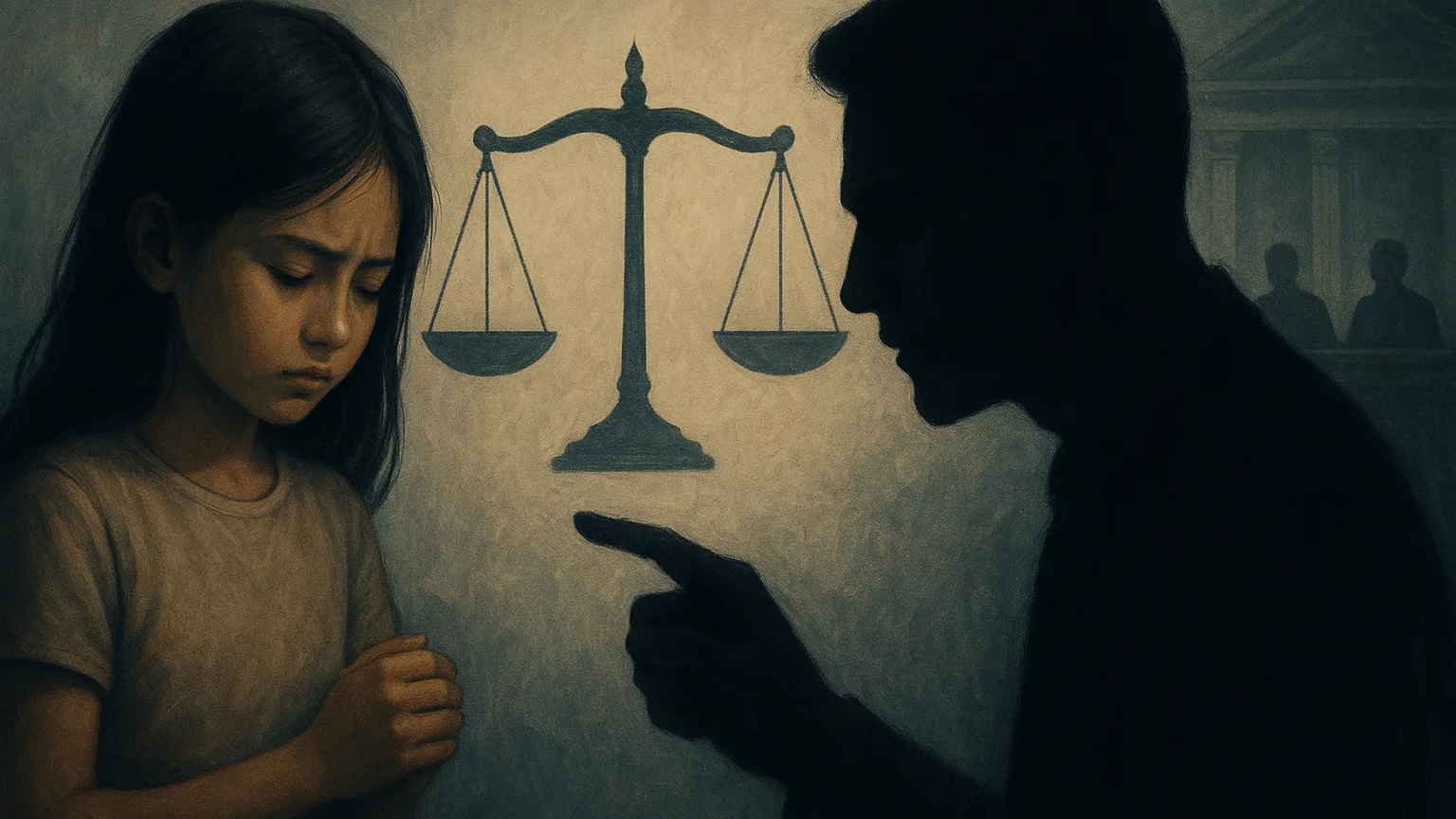
But law alone is not enough. What is more serious is the wound to the public's sense of justice. So far, the public often sees the law as sharp downwards, but blunt upwards. A petty thief can be severely punished, while violations by officials or officials often end with impunity. The incident of the ojol driver being hit immediately became a symbol of that inequality.
The public demands not only a legal process, but also a moral attitude. Are the police apparatus and institutions willing to apologize openly? Do the victim's family receive compensation and protection? Will security procedures for actions be improved so that similar cases do not happen again?


This is where the concept of restorative justice becomes important. Justice does not only mean punishing the perpetrator, but also restoring the victim, family, and society. This restoration cannot stop at material compensation, but also at the recognition that there has been a violation of the people's rights.
Furthermore, this incident also hurts democracy. Demonstrations are a constitutional right, guaranteed by Article 28E of the 1945 Constitution. When a demonstrator becomes a victim of the apparatus that should be protecting them, the public feels that not only is their voice ignored, but also their body is unsafe in the democratic space. This is dangerous, because democracy can only live if the people feel safe to express their opinions.




















Comments
0Share your perspective politely, stay relevant, and focus on the article. Comments appear after moderation.
Join the discussion
Write a clear, polite response that stays on topic.
No comments yet. Be the first to discuss.
Comments will appear after moderation.