Regulation of Criminal Acts of Misuse of Microorganisms in Indonesia

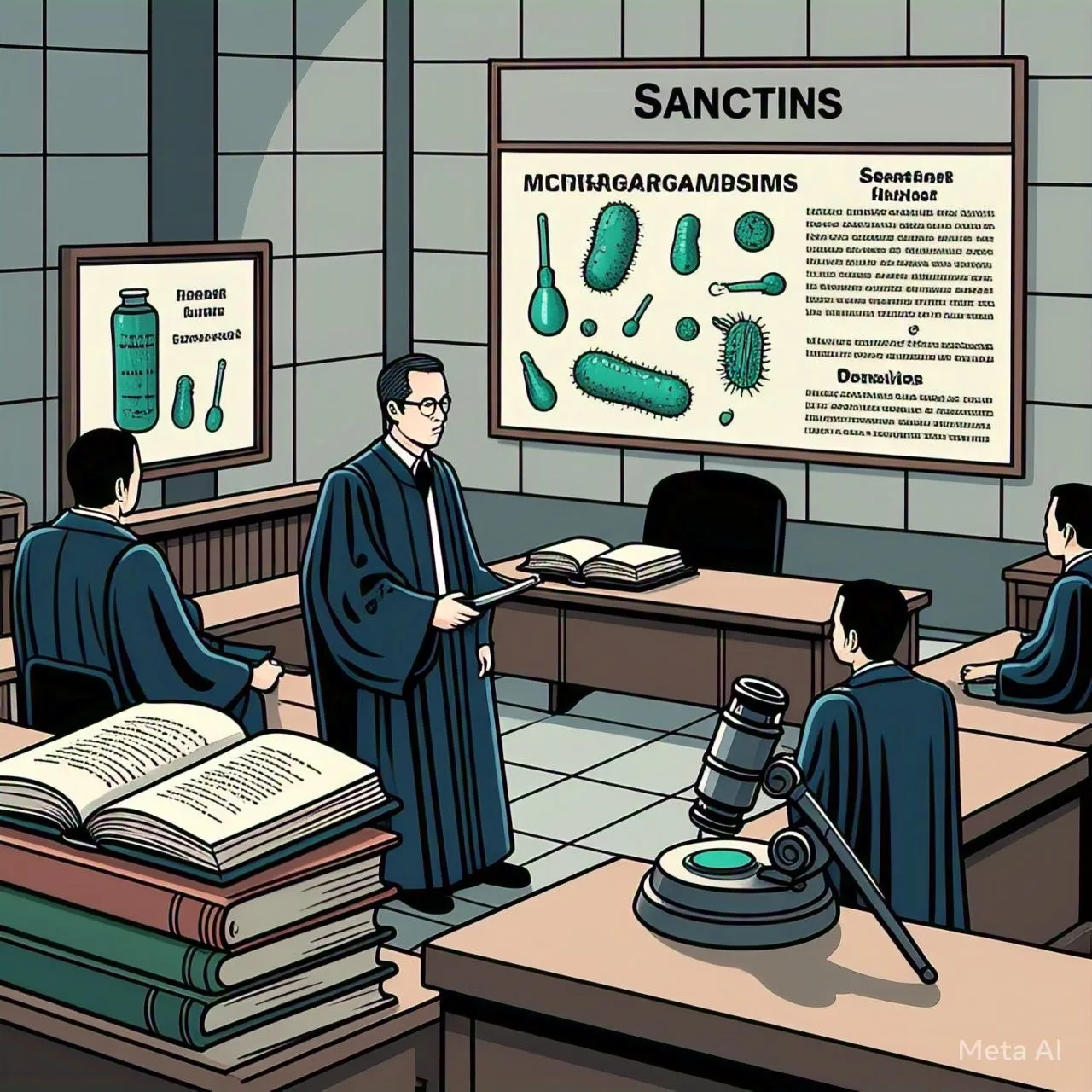
Microorganisms have broad benefits in various fields, ranging from the pharmaceutical industry to agriculture. However, their misuse can have serious impacts on public health...
Opinion Note
This opinion article was written by a contributor/columnist. The views expressed are entirely the responsibility of the author and do not necessarily represent the views of the editors.
CONTRIBUTOR PROGRAM
You can become a columnist at Legal Literacy.
Submit your legal opinion/analysis writing. If it is published, you have the opportunity to obtain a payout/honorarium in accordance with the provisions.
Table of Contents
Legal Literacy- The crime of misusing microorganisms poses a complex legal challenge along with the development of biotechnology. Indonesia already has various regulations governing the use of microorganisms in various aspects, such as biosafety, bioterrorism, environmental pollution, and food and drug production. However, weak regulations and law enforcement mechanisms are a challenge in themselves. This article analyzes the legal arrangements related to the crime of misuse of microorganisms with a normative juridical approach.
Contributor
Support
• Indonesian Legal Literacy
Read more comfortably, while supporting literacy.
Join Membership or submit your article for publication.
Membership
Read without ads, focus more, and access premium features.
Submit Article
Submit your writing—we curate and help publish it. If it is published, you have the opportunity to earn points/payouts according to the terms.

















Comments
0Share your perspective politely, stay relevant, and focus on the article. Comments appear after moderation.
Join the discussion
Write a clear, polite response that stays on topic.
No comments yet. Be the first to discuss.
Comments will appear after moderation.