
Literasi Hukum - Indonesia menyambut kebahagiaan atas hadirnya Kitab Undang-Undang Hukum Pidana Nasional yaitu Undang-Undang Nomor 1 Tahun 2023. KUHP Nasional memberikan secercah harapan sebagai wujud baru dari kemajuan keadilan. Namun, di balik euforia menyambut KUHP Nasional yang akan diberlakukan pada 2 Januari 2026 tersebut, rakyat Indonesia justru dibuat gelisah dengan hadirnya Rancangan Kitab Undang-Undang Hukum Acara Pidana (RKUHAP) 2025. KUHP Nasional sebagai hukum materiil dan RKUHAP sebagai hukum formil sejatinya merupakan dua instrumen yang harus berjalan beriringan dan tidak saling bertentangan. KUHP yang telah lama didambakan tidak akan optimal tanpa dukungan hukum acara yang selaras. Tanpa prosedur formil yang adil dan proporsional, keadilan hanya akan menjadi mimpi yang sulit diwujudkan.
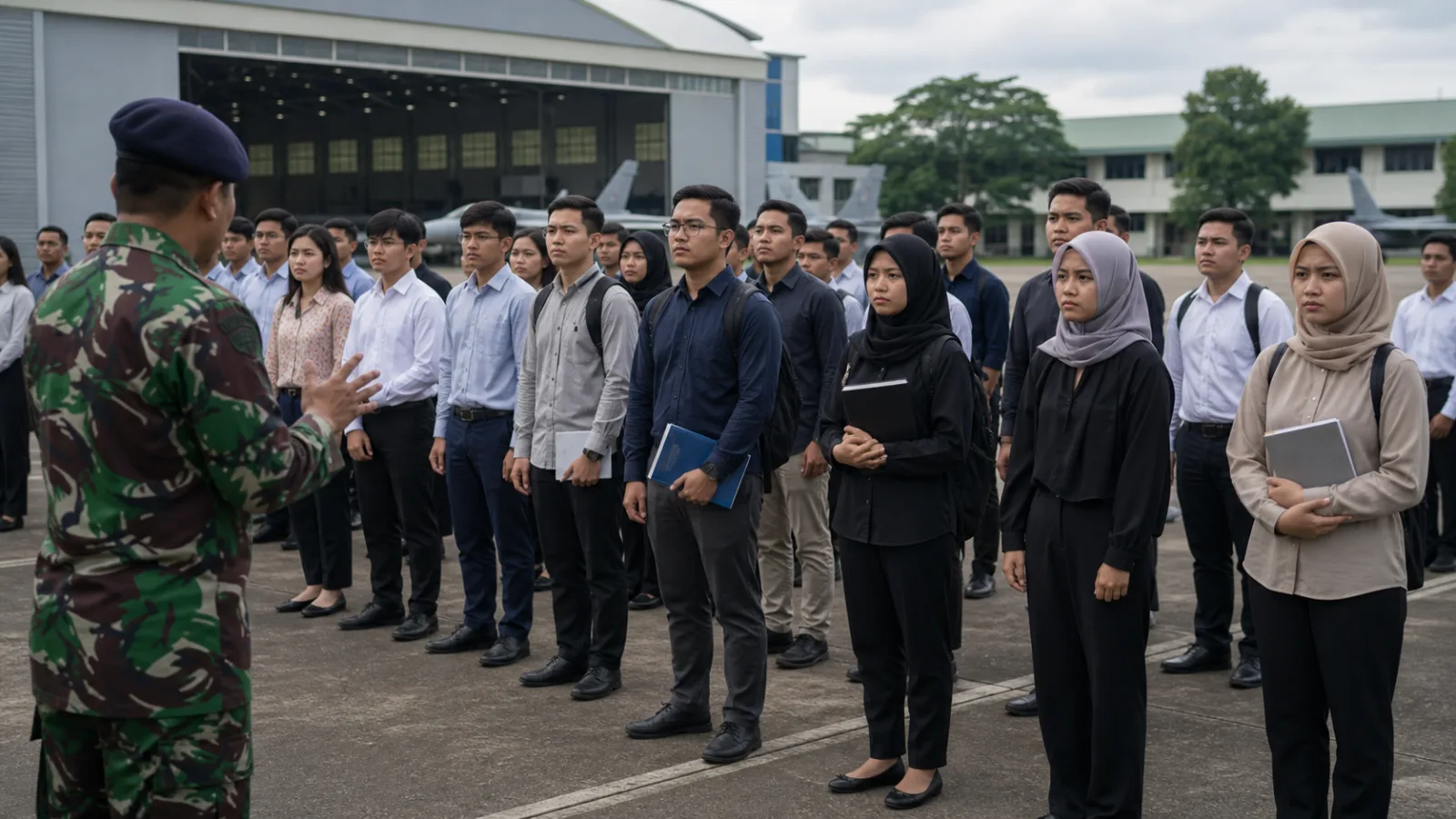
Salah satu kecacatan mendasar dalam RKUHAP 2025 ialah pemberian kewenangan yang sangat luas kepada militer, khususnya Polisi Militer (POM TNI). Banyak pasal dalam RKUHAP yang secara implisit maupun eksplisit memberikan kewenangan kepada militer untuk turut serta dalam proses peradilan pidana. Misalnya, Pasal 7 ayat (5), Pasal 87 ayat(4), dan Pasal 92 ayat (4) membuka ruang bagi TNI dari semua angkatan untuk menjadi penyidik tindak pidana. Hal ini jelas mengaburkan batas antara ranah sipil dan militer, apalagi UU TNI juga telah mengatur peran militer secara tegas. Jika militer diberi kewenangan sebagai penyidik dalam hukum acara pidana, maka potensi penangkapan atas dasar subjektivitas akan semakin besar dan keadilan sulit tercapai. Lebih jauh, Putusan Mahkamah Konstitusi No. 65/PUU-VIII/2010 menegaskan bahwa militer tidak boleh melakukan penyidikan terhadap warga sipil. Proses hukum bagi warga sipil wajib dilakukan dalam peradilan umum, bukan peradilan militer. Hal ini membuktikan bahwa keterlibatan militer dalam hukum acara pidana sipil jelas bertentangan dengan prinsip peradilan yang independen dan imparsial.


Tidak hanya itu, Pasal 93 RKUHAP menyatakan bahwa polisi dapat melakukan penahanan kapan saja tanpa izin pengadilan dengan alasan mendesak. Masalahnya, definisi "mendesak" tidak dijelaskan secara rinci dan sepenuhnya diserahkan kepada penyidik. Celah ini sangat berbahaya karena membuka ruang diskresi yang berpotensi melahirkan kriminalisasi besar-besaran terhadap warga sipil. Aturan ini lebih buruk dibanding KUHAP lama, yang membatasi penahanan hanya untuk tindak pidana dengan ancaman hukuman di atas lima tahun. Alih-alih memperbaiki, RKUHAP justru melegitimasi tindakan sewenang-wenang aparat penegak hukum. Jika militer diberi kewenangan luas di ranah sipil, maka pelanggaran Hak Asasi Manusia berpotensi meningkat. Lebih jauh, keberadaan pasal-pasal yang membuka ruang dominasi militer juga melemahkan prinsip checks and balances dalam sistem ketatanegaraan. Indonesia yang berlandaskan rule of law seharusnya memastikan bahwa kekuasaan negara dijalankan dengan pembatasan yang jelas. Banyak negara demokratis di dunia menegaskan bahwa hukum pidana hanya boleh ditegakkan oleh aparat sipil, demi menjaga netralitas serta akuntabilitas. Membiarkan militer masuk ke ranah sipil bukan hanya menyalahi konstitusi, tetapi juga menyimpang dari standar internasional dalam penegakan hukum dan HAM.Menurut Reksodiputro, inti dari prinsip due process of law dalam konteks kewenangan aparat penegak hukum terletak pada penangkapan, penahanan, dan penyitaan. Proses ini baru dibenarkan apabila dilakukan secara sah, proporsional, dan sesuai prosedur. Sayangnya, praktik penyalahgunaan wewenang aparat masih sering terjadi, sehingga KUHAP dapat berubah menjadi alat represi terhadap masyarakat yang rentan.
Pemberian kewenangan luas terhadap militer dalam hukum acara pidana merupakan bentuk kemunduran dalam sistem hukum Indonesia. Militer tidak boleh dicampurkan dengan penegakan hukum sipil, karena akan memperbesar risiko pelanggaran HAM. Indonesia bisa kehilangan jati dirinya sebagai negara hukum yang menjunjung tinggi keadilan dan kesejahteraan rakyat, berubah menjadi negara yang hanya dipenuhi ambisi penguasaan. Padahal, RKUHAP seharusnya menjadi tonggak penting dalam reformasi sistem peradilan pidana, bukan sebaliknya. Alih-alih memperkuat prinsip-prinsip hak asasi manusia, draf RKUHAP justru melemahkannya. Jika hukum tidak lagi dijalankan oleh lembaga sipil yang independen dan akuntabel, tetapi dikuasai oleh institusi bersenjata yang minim akuntabilitas, maka hukum akan kehilangan fungsinya sebagai benteng keadilan. Sebaliknya, hukum justru akan menjadi ancaman nyata bagi rakyat.
Oleh karena itu, revisi menyeluruh terhadap pasal-pasal kontroversial dalam RKUHAP 2025 merupakan keharusan mutlak. Militer tidak boleh diberi ruang dalam proses hukum terhadap warga sipil. Penegakan hukum harus tetap berada di bawah otoritas lembaga sipil yang transparan, akuntabel, serta menjunjung tinggi hak asasi manusia. Jika tidak, maka RKUHAP bukanlah reformasi hukum, melainkan jalan sunyi menuju legalisasi pelanggaran HAM dan otoritarianisme.







Komentar
0Bagikan perspektif Anda secara sopan, relevan, dan fokus pada isi artikel. Komentar tampil setelah moderasi.
Ikut berdiskusi