Legal Literacy - This article discusses how virality influences law enforcement in Indonesia. In the digital age, viral events on social media often accelerate and influence legal processes. From raising public awareness to influencing judges' decisions, the phenomenon of virality has become a supremacy in the legal system. However, this article also highlights risks, such as the spread of false information and public pressure that can affect justice. This discussion delves into the balance between the role of social media in civic engagement and the need for fair and objective law enforcement.

Virality: A Foundation for Law Enforcement 

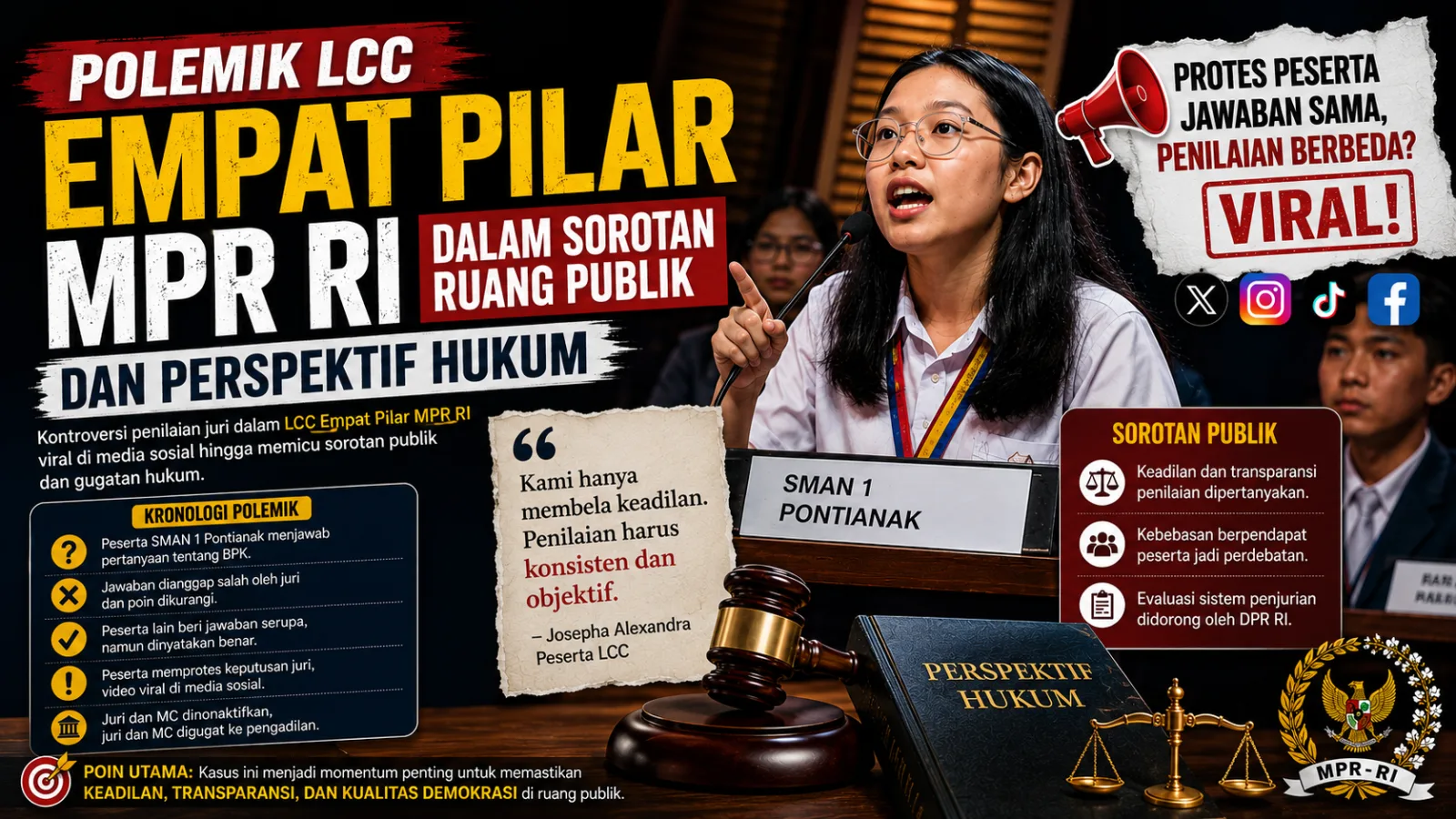
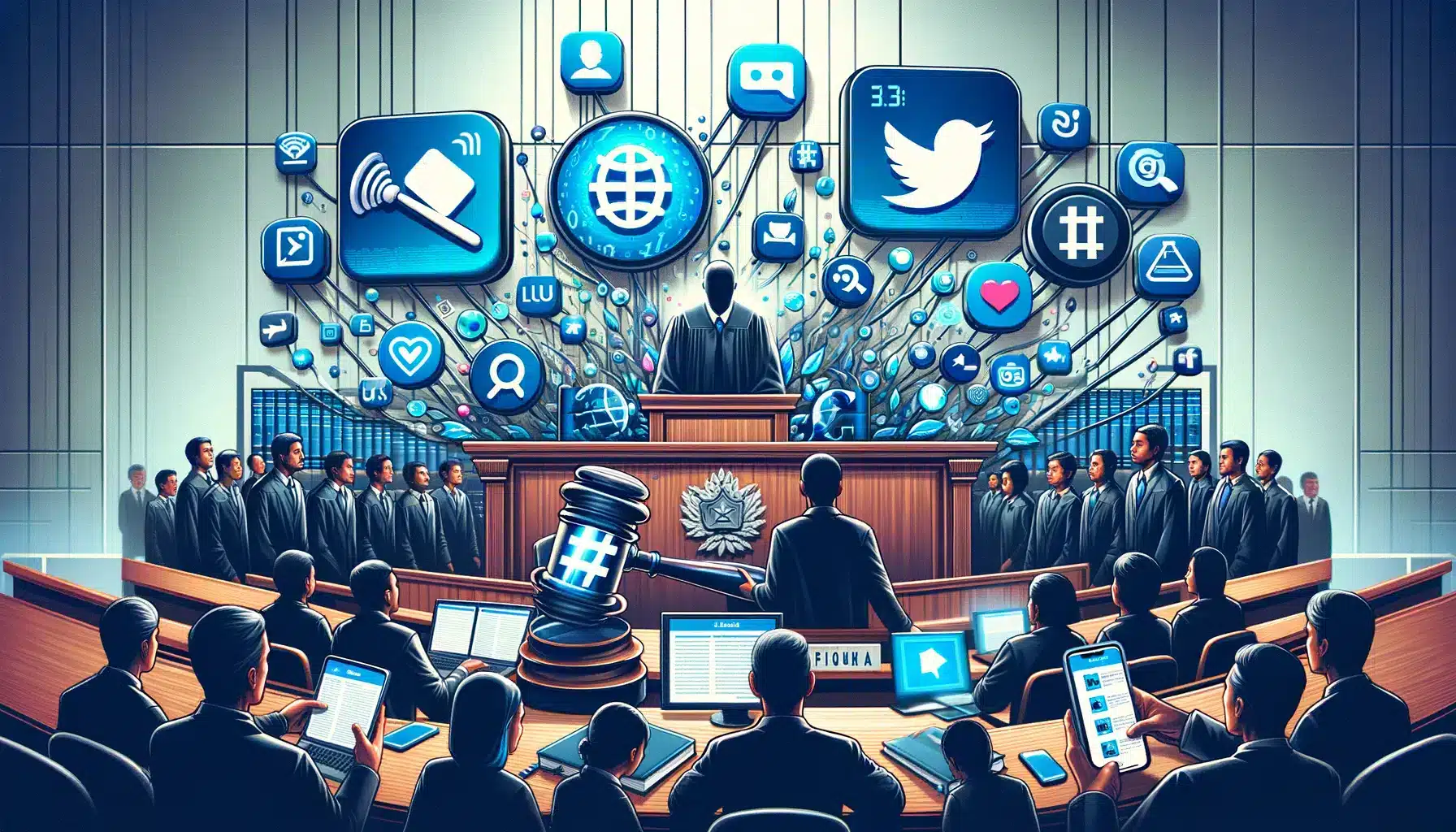
In this era, virality has become an instant method to carve out justice. With technological modernity, everything can be uploaded and traced on social media. Wherever, whenever, whatever the situation, everyone can know what is happening in parts of the world. In fact, technology also permeates the legal process in Indonesia. This is evidenced by the fact that something viral can create a swift legal process and even collective awareness for law enforcers. The power of the “virality principle” in the legal process has even led to the emergence of the hashtag “no viral, no justice” on one social media platform. It seems that viral is a shortcut for victims to attain their rights.

Of course, in achieving a specific goal, an organizing exponent is needed, as is the law. The law cannot work automatically even though there is a norm stipulated in Article 1 Paragraph (3) 1945 Constitution which stipulates that Indonesia is a state of law, there must still be a role for law enforcers in the process. Unfortunately, now, law enforcers themselves are the main actors in overthrowing the law. For this reason, the principle of virality is present as a critic and helper of law enforcers in carrying out their duties. It can also be said as a form of public distrust created by law enforcement officials.

Virality can be categorized as the highest rule of law in the current legal situation. Regrettably, virality is more trusted by the public in processing a case than reporting it to the authorities. Therefore, if this continues to occur in the process of establishing a legal culture, what impact will it have on law enforcement?
Realizing a Swift Legal Process 

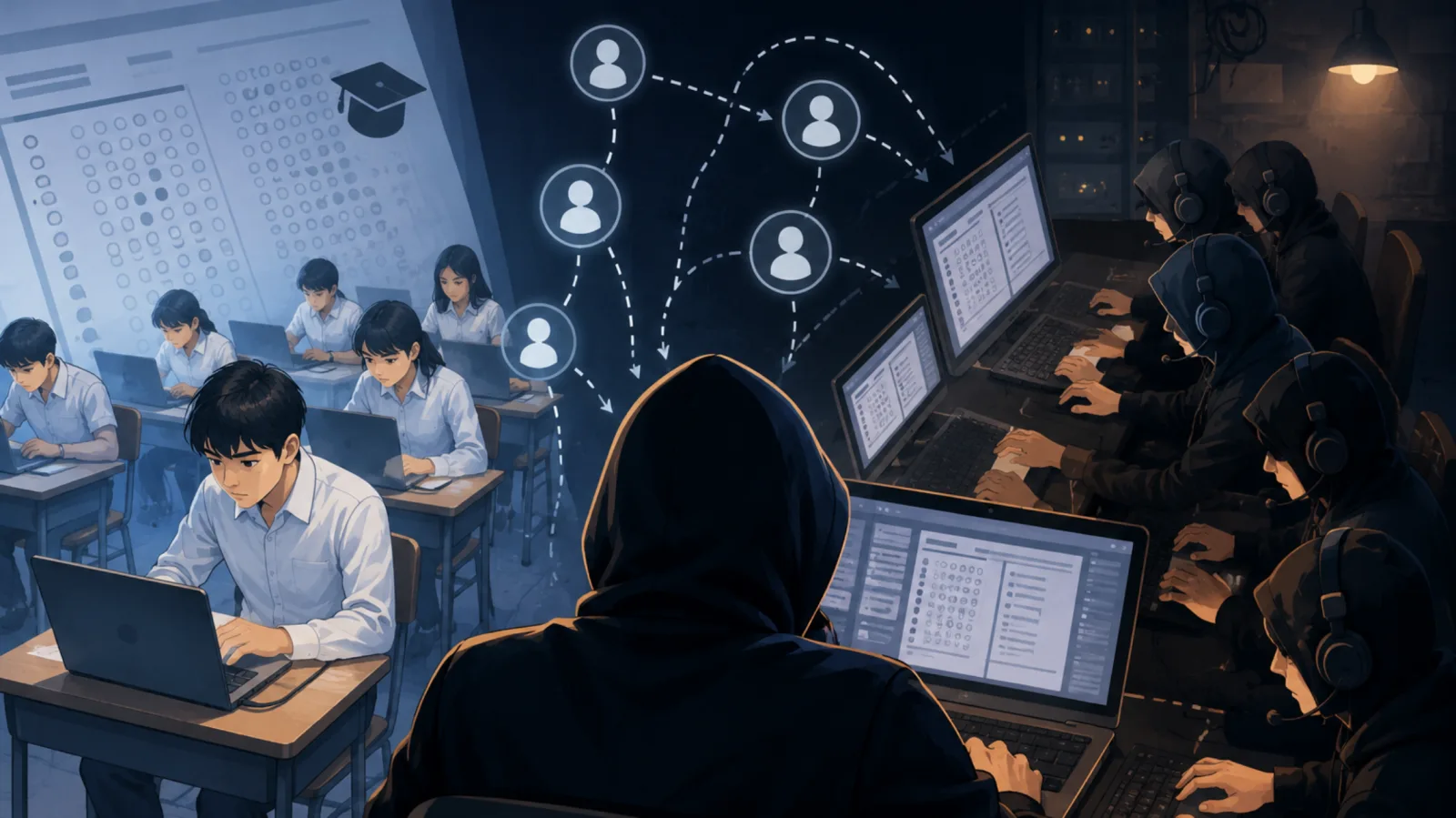
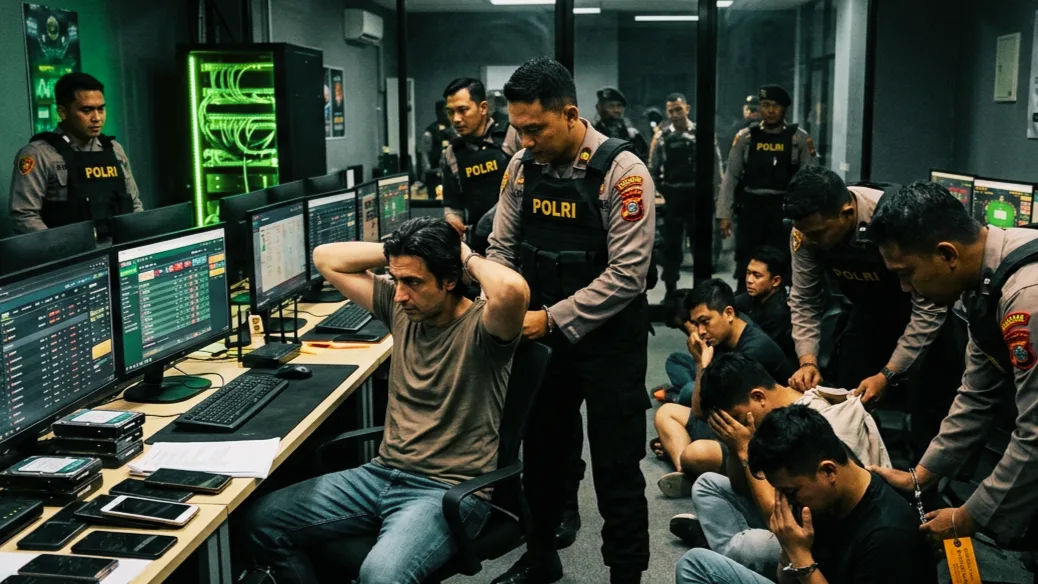
A responsive legal process is something the Indonesian people aspire to. With virality connecting the power of netizens' concern with the awareness of law enforcers, the handled legal process can be completed quickly. Criminal entities, such as sexual harassment, fraud, theft, robbery, Trafficking in Persons (TPPO), and even corruption, are quickly discovered by netizens, making it easier for officers to conduct investigations. As a result, trending topics used by netizens have an impact on the performance of law enforcers. In fact, before going viral, law enforcers were unaware of the incident because there was no police report.

Advertisement
Read without ads.
Join Membership

Creating Collective Awareness for Law Enforcers

Another consequence of cases going viral on social media is that it raises collective awareness among law enforcers. How could it not? A viral case will essentially lead many people to freely express their thoughts fluently with anonymous accounts.

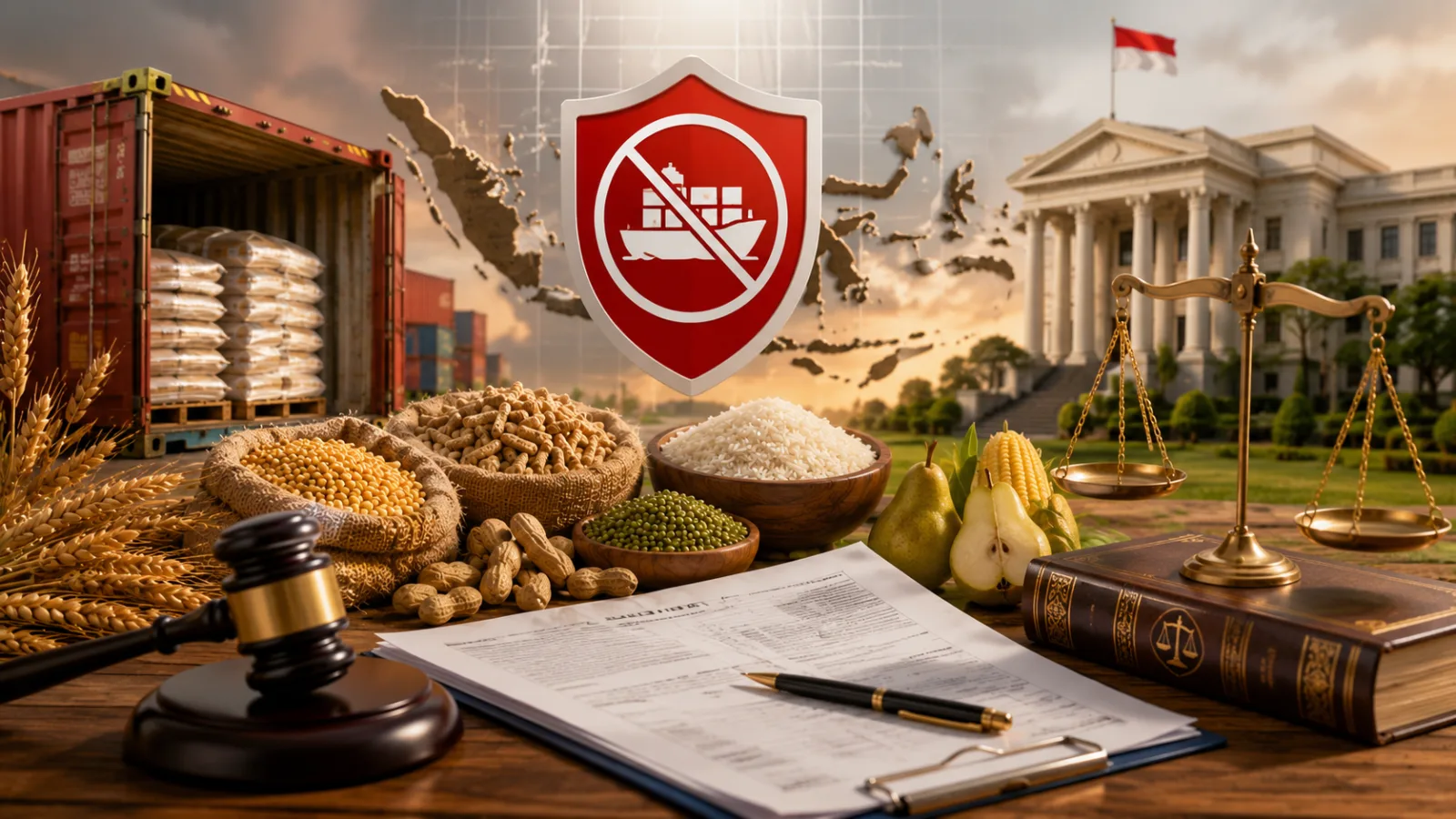
Recently, a viral case has targeted the customs agency, which is considered to be "playing dirty" with fantastic import duty nominals. This was responded to swiftly by the Director General of Customs as the authority in the spotlight, who then explained in detail the case involving the viral shoe importer based on applicable regulations. Just imagine, due to an error in including the ICF price, the importer had to pay tens of millions in fines. Suggestively, this leaves a mark on the minds and hearts of the authorities, imagining if they were the ones caught in such exorbitant fines when it was just an oversight by the shipping service.

Facilitating Law Enforcers in Finding Data

The netizens' skill in exploring the timeline of social media on someone's personal account is beyond doubt. Posts from previous years, the perpetrator's personal data, the chronology of events, the victim's condition, and even the process of the crime occurring can all be searched and found in a short time. No wonder, if "the power of netizen" greatly assists law enforcers in collecting the data and information needed for the investigation process. In fact, it is not uncommon for the discovery of missing people or goods to be found first by netizens. Apart from that, it should be noted that not all news from netizens is true. Often the information is a hoax and just a gimmick. So it must be further investigated and traced by law enforcers, especially police officers who are the first figures in the legal processing stage.

Advertisement
Read without ads.
Join Membership

Influence on Decisions Made

The more viral a case becomes, the crazier the actions of netizens become. This is indicated to potentially influence the existence of law enforcers, including judges, in decision-making. Although not explicitly, biased posts on social media will affect judges as ordinary human beings. Basically, something that goes viral is a combination of the original event and the perception of netizens. The impact is another difficulty in determining which decision is appropriate to implement with various diverse considerations.

Various consequences of the rampant virality in the current era greatly affect the judicial process, even the law enforcers themselves, such as helping the judicial process run quickly so that the police only continue the work of the amazing netizens. However, not all good things are obtained from this viral method; if one is not careful in expressing opinions and making assumptions, it will lead to slander, vigilantism, pressure on the perpetrator, dissemination of privacy, hoax news, and others. Therefore, awareness is needed from various groups to be wise in using social media regarding community involvement (civic engagement) in helping each other.

It is also hoped that law enforcers will evaluate their performance in handling legal cases, which does not mean letting the public control the law. Law enforcers should improve themselves because, after all, the hashtag “no viral no justice” can also be interpreted as a subtle insinuation and a form of public distrust of the rule of law and its apparatus. The happiness and desires of the community should be paramount. According to Jeremy Bentham, “a good law is one that can provide the greatest happiness for the greatest number of people.”