
Regional Autonomy and Social Justice
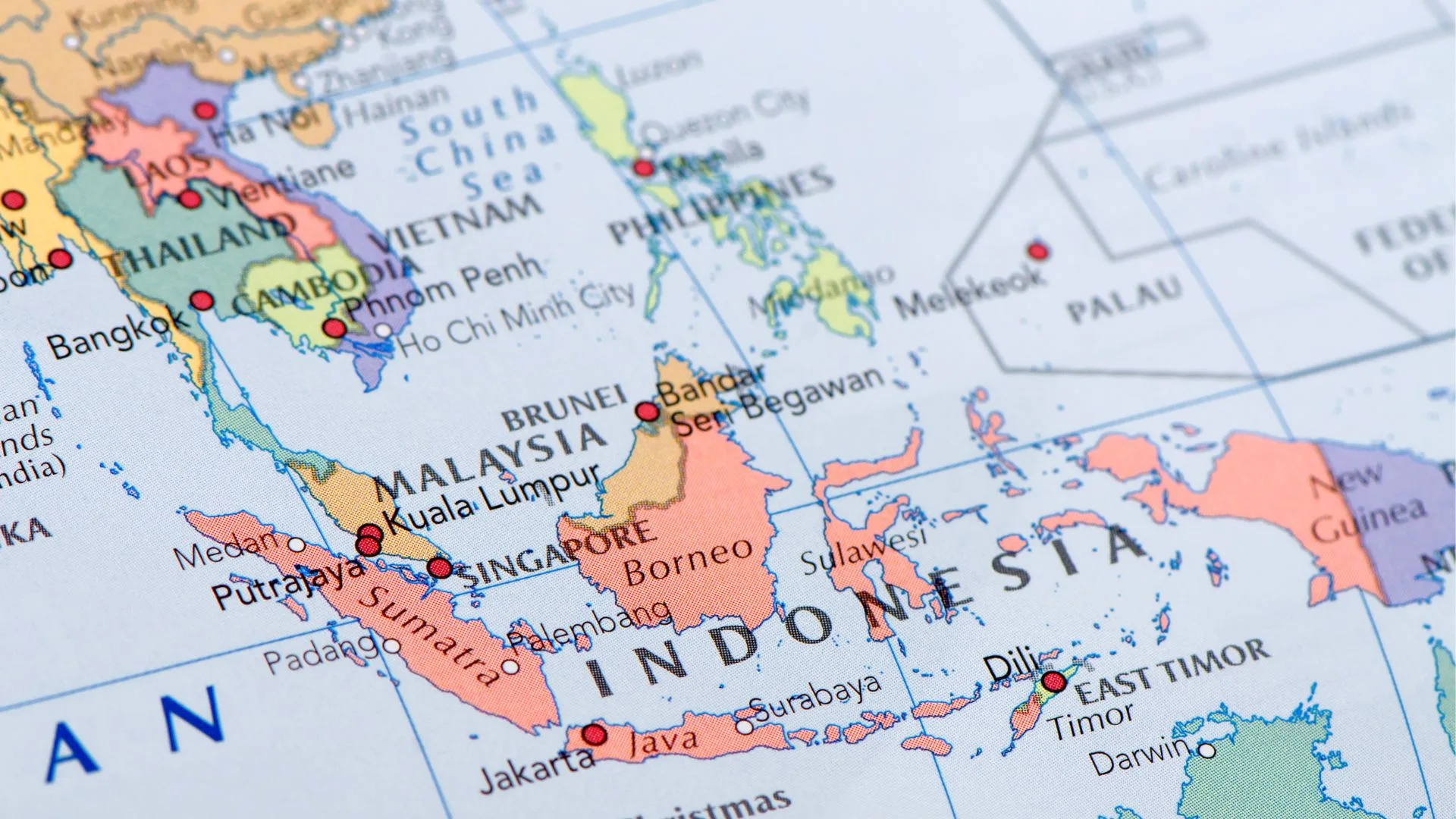
Legal Literacy - The long journey and enthusiasm for enforcing the broadest possible autonomy is the highest aspiration to realize social justice for all Indonesian people, as well as efforts to maintain and nurture harmony in central and regional relations. The concept of unity in diversity, which has been promoted since the early days of the Republic of Indonesia, should be interpreted essentially and principally. By dismantling the legal text in the content of Article 18B of the Constitution of the Republic of Indonesia—before and after the amendment, it can be seen that there are fundamental changes to the text which certainly have an impact on the meaning of Regional Autonomy in Indonesia.
As stated in Article 18B The Constitution of the Republic of Indonesia before the amendment states: “The division of Indonesia into large and small regions, with the form of government structure determined by law, taking into account and remembering the basis of deliberation in the State government system, and the origin rights in special regions.”


And, furthermore, Article 18B paragraph (1) of the Constitution of the Republic of Indonesia after the amendment: “The Unitary State of the Republic of Indonesia is divided into provincial regions and the provincial regions are divided into Regencies and Cities, each of which has a Regional Government, which is regulated by law.”
Contextual variations, in the text contained in the content of the article of the 1945 Constitution before and after the amendment, seem to have significant differences. It can be seen in the wording of the article that there is a removal of the diction 'origin rights' which is essentially very fundamental, and must be guaranteed by the central government to the regions in the form of decentralization or the broadest possible autonomy. Thus, through this, there is a guarantee for the regions to carry out various agendas and activities that reflect the characteristics of the region which are special—and then guaranteed by the constitution.
Even though it exists afterwards, in Article 18B of the 1945 Constitution paragraph (1): “The State recognizes and respects government units regions that are special or of a special nature which are regulated by law.” And paragraph (2): The State recognizes and respects customary law communities customary communities along with their traditional rights as long as they are still alive and in accordance with the development of society and the principles of the Unitary State of the Republic of Indonesia, which are regulated by law.” However, it is undeniable that in its journey there are still portraits that are very deviant from the implementation of the consensus stated in the constitution as the basic norm.






















Comments
0Share your perspective politely, stay relevant, and focus on the article. Comments appear after moderation.
Join the discussion
Write a clear, polite response that stays on topic.
No comments yet. Be the first to discuss.
Comments will appear after moderation.