The Chaos of Judicial Review Rights in the Supreme Court
A comprehensive reform of the Supreme Court's authority in administering Judicial Review Rights
Opinion Note
This opinion article was written by a contributor/columnist. The views expressed are entirely the responsibility of the author and do not necessarily represent the views of the editors.
CONTRIBUTOR PROGRAM
You can become a columnist at Legal Literacy.
Submit your legal opinion/analysis writing. If it is published, you have the opportunity to obtain a payout/honorarium in accordance with the provisions.
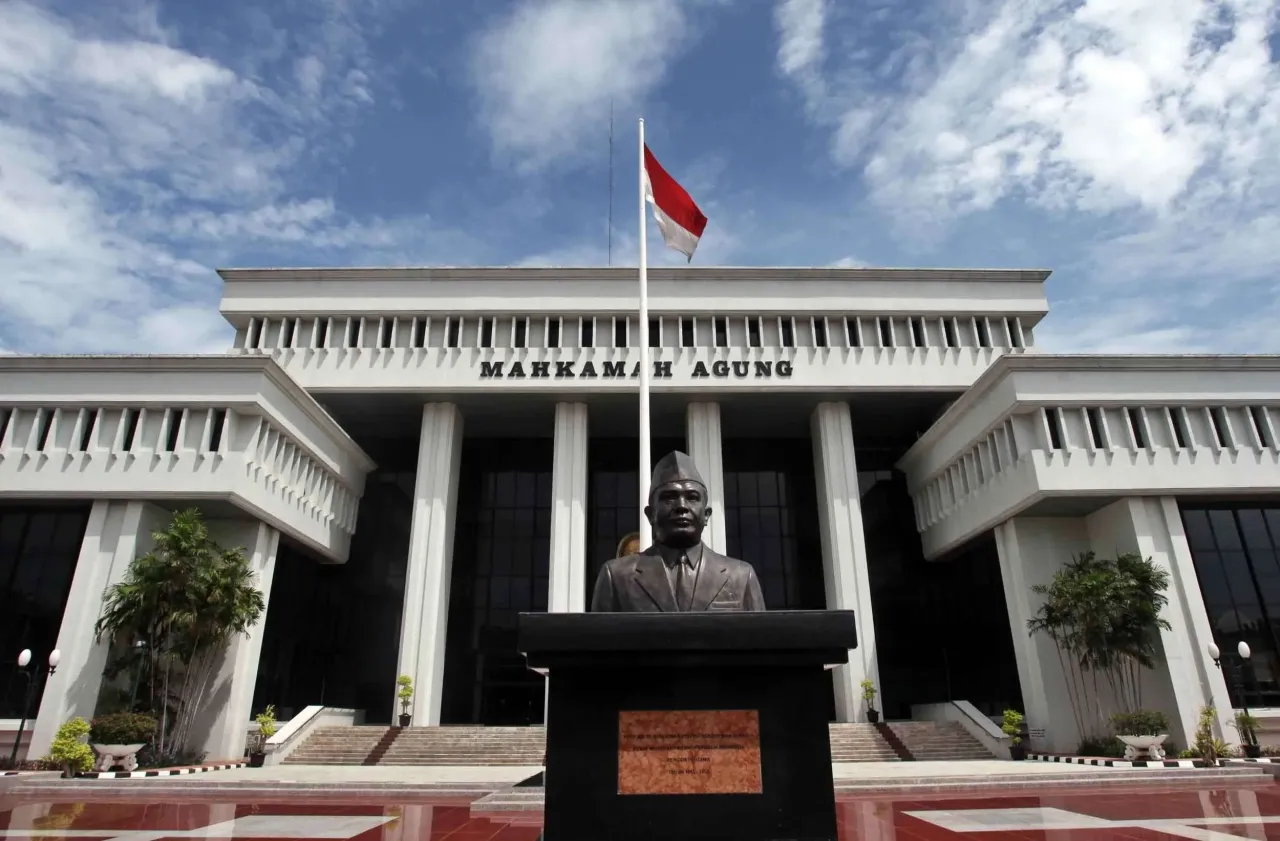
In the case of the time limit for the case settlement process, there is also a striking difference between the Supreme Court and the Constitutional Court. The Supreme Court is obliged to process applications for testing regulations no later than 14 (fourteen) working days from when the application is received. However, the procedural law does not limit the time for resolving the application until a decision is issued.Determining a time limit is important because a decision on a rule that is considered to conflict with the rules above it requires legal certainty. The lack of clarity regarding the certainty of resolving testing applications at the Supreme Court can affect the public's level of trust in the judicial institution. Apart from the need to build and develop an open regulation testing event system, the Supreme Court also needs to provide certainty regarding the time for resolving applications.In addition, regarding case fees in the implementation of testing at the Supreme Court and the Constitutional Court, there are also differences. The Constitutional Court itself does not charge a single rupiah, it is charged to the Constitutional Court's budget. At the Supreme Court, applications for testing regulations are subject to a fee of Rp. 1,000,000,- (one million rupiah). The main problem submitted in the application to the Supreme Court is regulations and related to government policies made by state administrators, so it becomes irrelevant to charge case fees.It is actually a serious question for the government, including the Supreme Court as the institution authorized to administer Material Review Rights, whether it is relevant to charge material review rights fees to examiners, where what is being tested are regulations regulated in statutory regulations, which are even binding on society? Simply put, how can the public have to pay the state to test whether regulations issued by institutions at the ministerial, institutional or regional government level are defective or not?The existence of cost burdens is also not in line with the principle of organizing the testing of regulations under the law by the Supreme Court. The Supreme Court Regulation states that the Panel of Supreme Court Justices examines and decides on applications for testing regulations by applying the legal provisions applicable to application cases in the shortest possible time, in accordance with the principle of simple, fast and low-cost justice.From the explanation above, there are still many problems with the Testing of Laws and Regulations at the Supreme Court. In fact, testing regulations under the law against the law is a mechanism to guarantee justice and legal certainty to the public. So that every legal product under the law is carried out with the principles of good governance and reduces government abuse.
Support
• Indonesian Legal Literacy
Read more comfortably, while supporting literacy.
Join Membership or submit your article for publication.
Membership
Read without ads, focus more, and access premium features.
Submit Article
Submit your writing—we curate and help publish it. If it is published, you have the opportunity to earn points/payouts according to the terms.
Related Articles
See more





Popular Articles





Latest News
View all news




Public Space
See All





Pasang Iklan
Write a comment