

Legal Expert Perspectives and Views
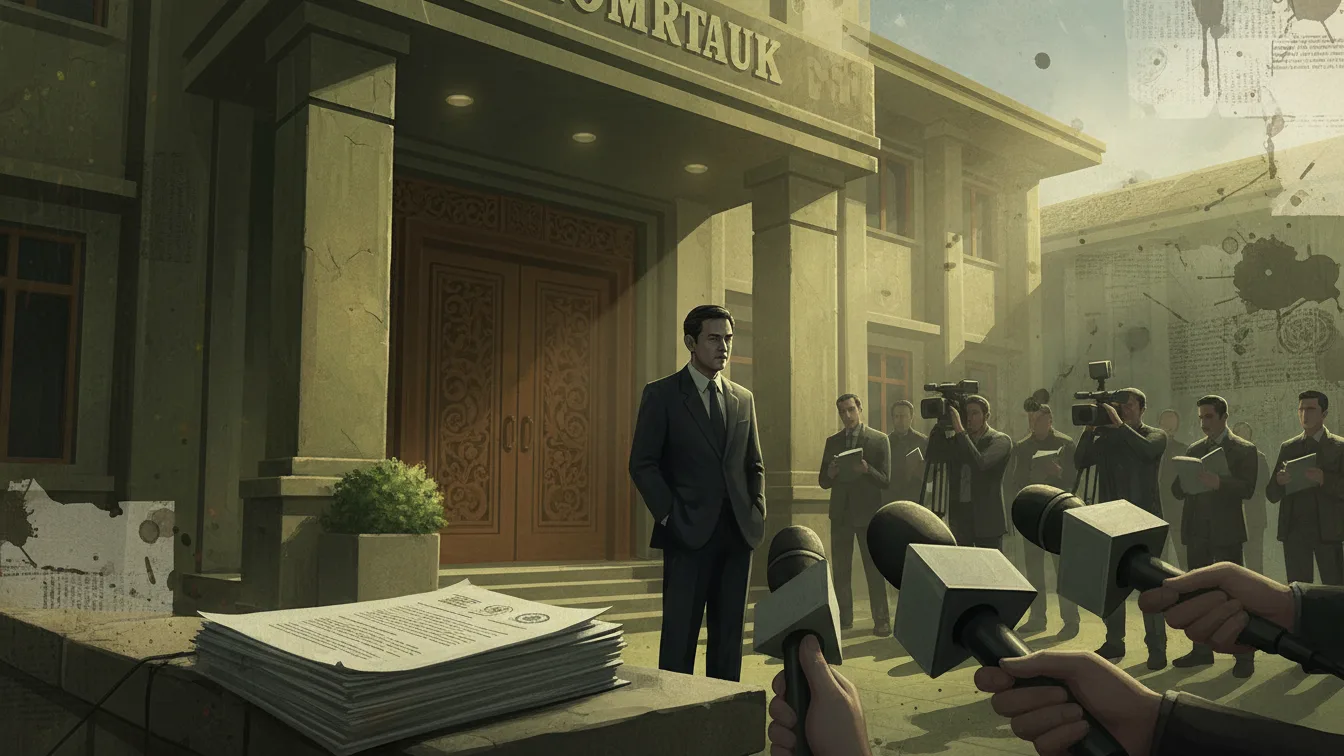
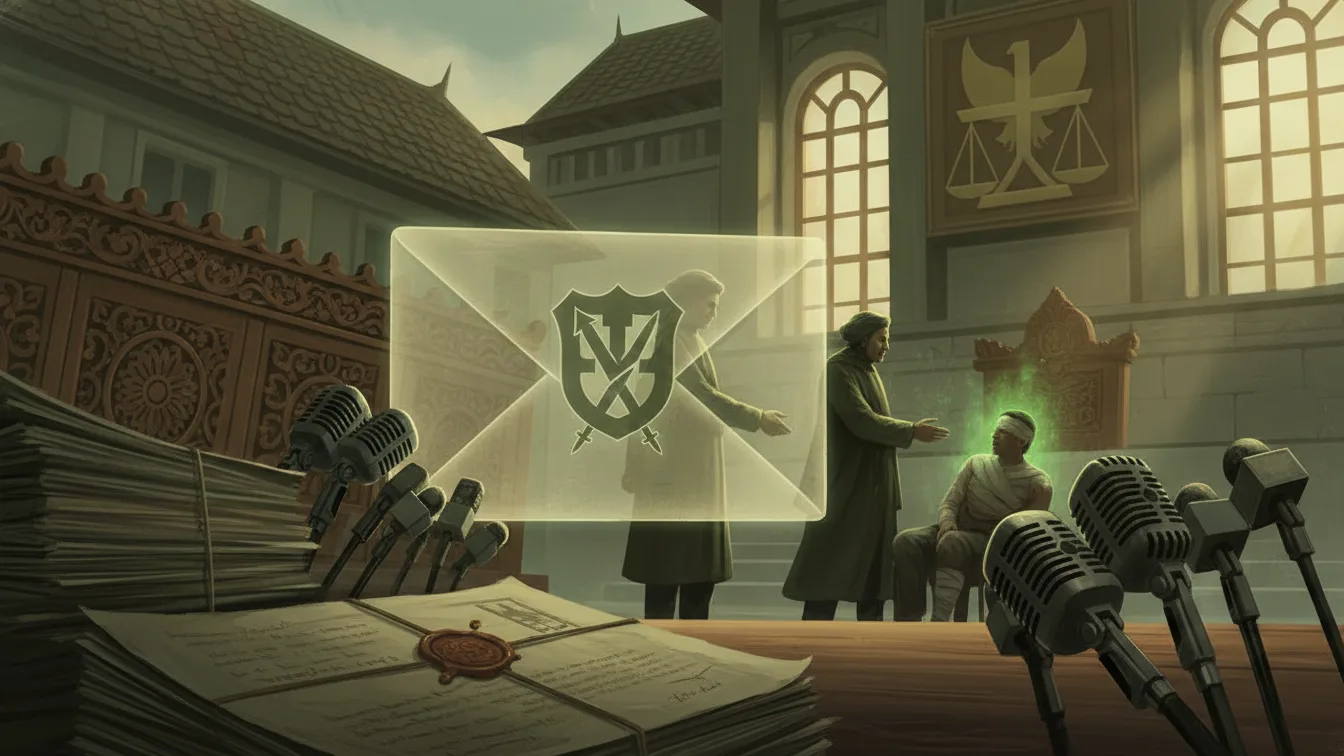
This is where the legal problem arises. The main criticism of the Asset Forfeiture Bill is the potential violation of property rights and the principle of presumption of innocence (presumption of innocence). Critics fear that this mechanism will be used as a repressive tool by officials to suppress political opponents or certain groups. From a constitutional law and human rights perspective, these concerns are legitimate and must be answered seriously. However, it is important to note that a number of experts actually view this Bill as an urgent need. Professor of Criminal Law at Gadjah Mada University, Edward Omar Sharif Hiariej, has emphasized on several occasions that the asset forfeiture mechanism is a form of modernization of criminal law. According to him, “asset forfeiture is not punishment against people, but against objects suspected of being the result of crime”. Thus, as long as the procedure still goes through the courts, the principle of human rights will not be violated. A similar opinion was also expressed by the former Chairman of the KPK, Busyro Muqoddas, who assessed that the delay in this Bill was mostly due to political resistance. “Those who are afraid of this Bill are certainly those who have an interest in saving the assets from corruption,” he said. This view underscores the importance of transparency and political courage in enacting regulations. The principle of justice can be maintained if the asset forfeiture mechanism still passes through court supervision. This means that law enforcement officials should not be given absolute authority to confiscate assets, but must submit a request to the court, where the owner is given the opportunity to prove the origin of the assets. This process is important so that the principle of due process of law (due process of law) is still respected. Thus, the Asset Forfeiture Bill can stand on two legs: effectively recovering state losses while not ignoring the constitutional rights of citizens.






















Comments
0Share your perspective politely, stay relevant, and focus on the article. Comments appear after moderation.
Join the discussion
Write a clear, polite response that stays on topic.
No comments yet. Be the first to discuss.
Comments will appear after moderation.